

Why does my cat bite me?
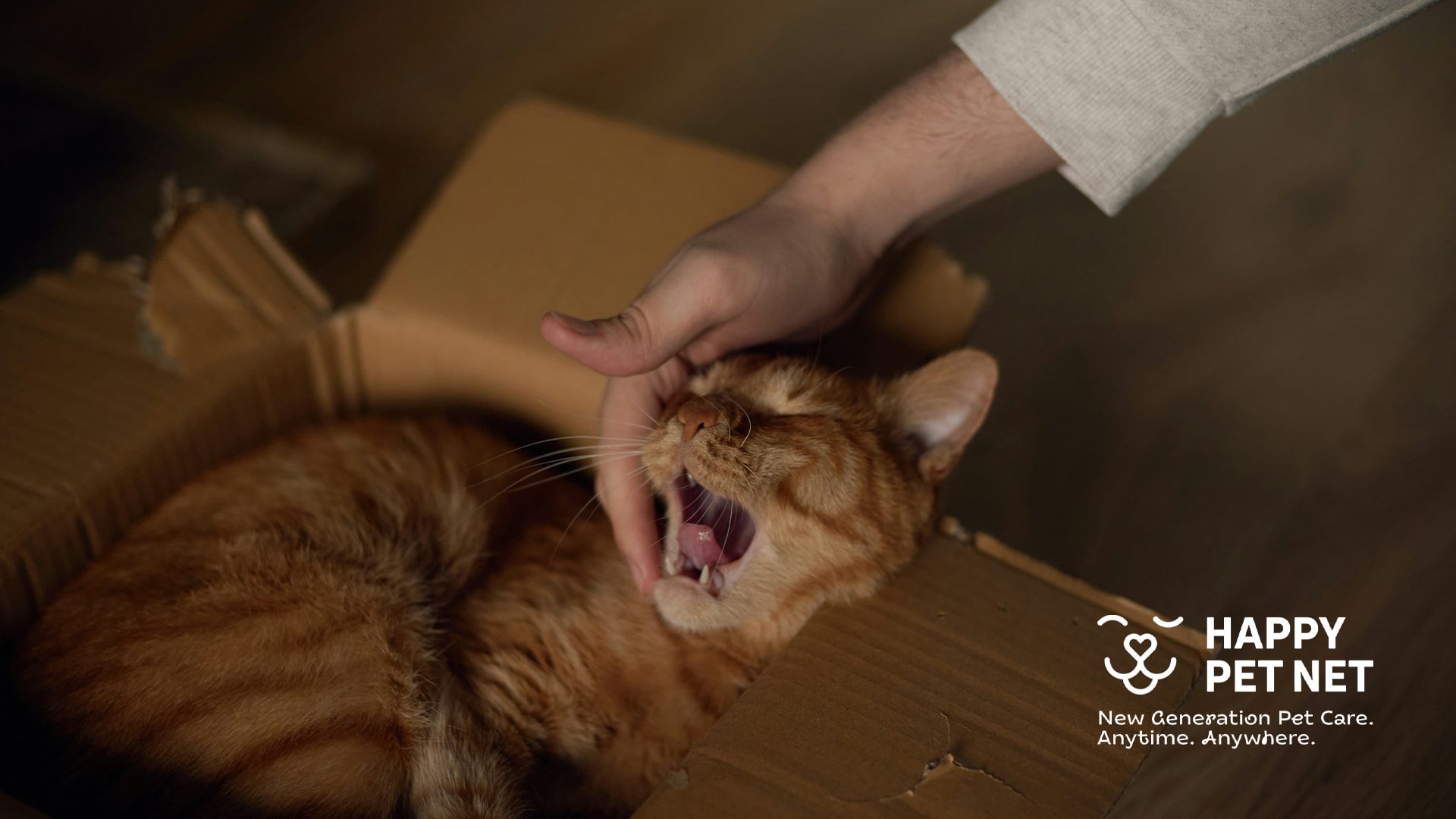
Wondering why your cat bites you out of nowhere, or nips gently when you stroke them? Find out what to do when your cat bites you, and how to stop this painful behaviour.
A cat bite can be painful, but cats usually have a good reason to turn aggressive. Even if it feels random, there are often warning signs you might be missing. If you know what to look out for, you should be able to tell what your cat is trying to say and avoid getting hurt.
Reasons your cat might bite you
1. Fear or stress
When a cat feels frightened or stressed, they usually prefer to run away or hide rather than become aggressive. But if there's no escape route, or they feel "on edge", they may resort to biting. Before that, they'll usually give warning signs:
- hissing
- flattened ears
- crouching low to the ground
- wide eyes
- an arched back
- a tense tail
- whiskers pointed forward
- a puffed-up coat
If you notice these signs, leave your cat alone and let them retreat somewhere they feel safe.
If aggression and biting are new behaviours, consult a vet, as they could be caused by pain. Stress can also be triggered by small factors — such as another cat in the household they don't get on with, or an unfamiliar tomcat encroaching on their territory.
2. Overstimulation
Sometimes a cat bites while playing or being stroked because they've become overexcited and have "redirected" their hunting behaviour onto a person. Cats are natural hunters — if they don't have suitable toys, they may direct their urge to chase towards your hands or feet.
Kittens in particular, if encouraged at a young age (between 2 and 7 weeks) to play with fingers and feet, can start associating human body parts with "toys". This kind of biting is usually gentle, but it can still hurt.
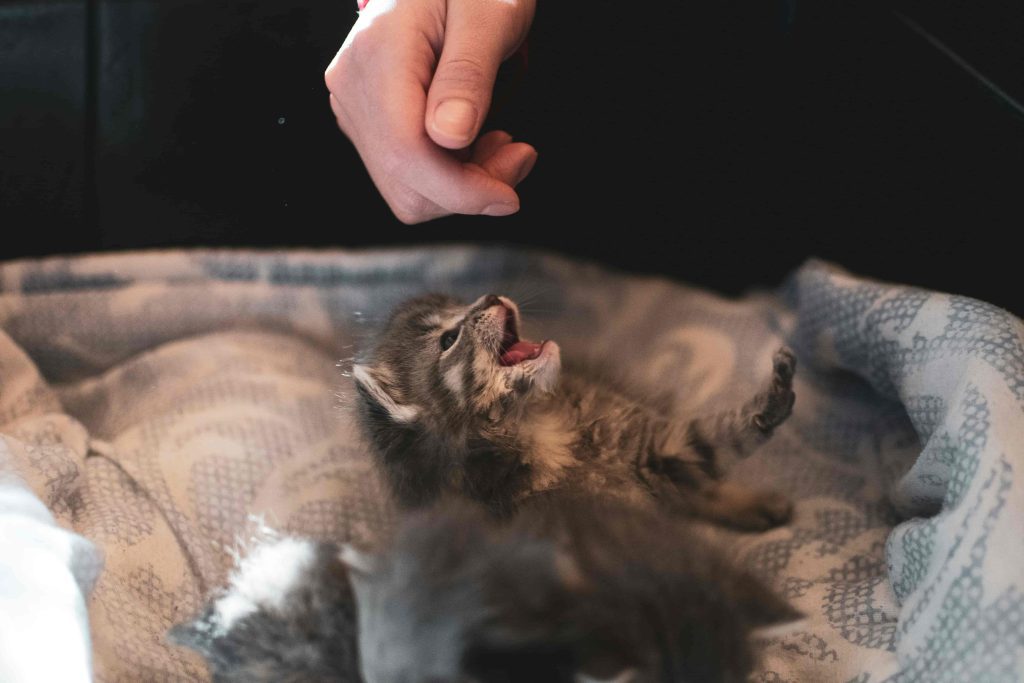
Why does my cat grab my hand and then bite it?
When your cat grabs you with their paws and bites, it's typical hunting behaviour: they catch their "prey" with their front paws and bite while kicking with their back legs — a move known as "bunny kicking". If they do this to you, they're simply redirecting their hunting instincts onto a person.
Why does my cat bite me and then lick me (or the other way round)?
If your cat licks you and then bites you (or the other way round), this is likely a sign of overstimulation. Licking is often a way of sharing scent and bonding, but if it's followed by biting, your cat is excited or playful. Redirect their energy towards suitable toys or, if they keep biting, let them calm down.
Why does my cat only bite me and not my partner?
It depends on the reason for the biting.
- If it's caused by fear, your cat may feel uncomfortable or anxious specifically around that person.
- If it's overstimulation, it may be because that person has interacted with the cat more, has let the cat play with their fingers, or reacts more actively (moving around and provoking the cat)
What should I do if my cat bites me?
- Stay calm and still - sudden movements and loud noises can excite your cat even further.
- Move away safely - give your cat space to calm down or retreat.
- Clean the wound - if their teeth have broken the skin, wash it with warm water and soap, dry it and cover it with a clean dressing. If the wound becomes infected or doesn't heal, seek medical help.
- Try to work out why they bit you - look at their body language and what triggered the reaction.
- Talk to a vet or a qualified cat behaviour specialist, especially if this is new and unusual behaviour for them.
How do I stop my cat biting me?
If it's due to fear or stress
- Give them places to hide - cats like to feel protected.
- Give them privacy - don't insist on comforting them if they're scared.
- Create a calm atmosphere - provide easy access to food, water, a litter tray, scratching posts and a hiding spot. Avoid noise and chaos.
- Find the cause - if necessary, consult a vet or specialist to identify the source of the stress.
If it's overstimulation
- Give them suitable toys - ropes, wand toys, puzzle feeders and so on.
- Keep play and petting sessions short throughout the day - a few minutes at a time.
- Stroke them properly - start with gentle strokes on the head and chin, avoid the belly, and watch how they react.
Enjoy this kind of content? Check out our Blog section! You can also follow HAPPY PET NET on social media, where we post interesting and fun pet-related content every day!
Follow HAPPY PET NET on Facebook Follow HAPPY PET NET on Instagram