

15 tips for new dog owners
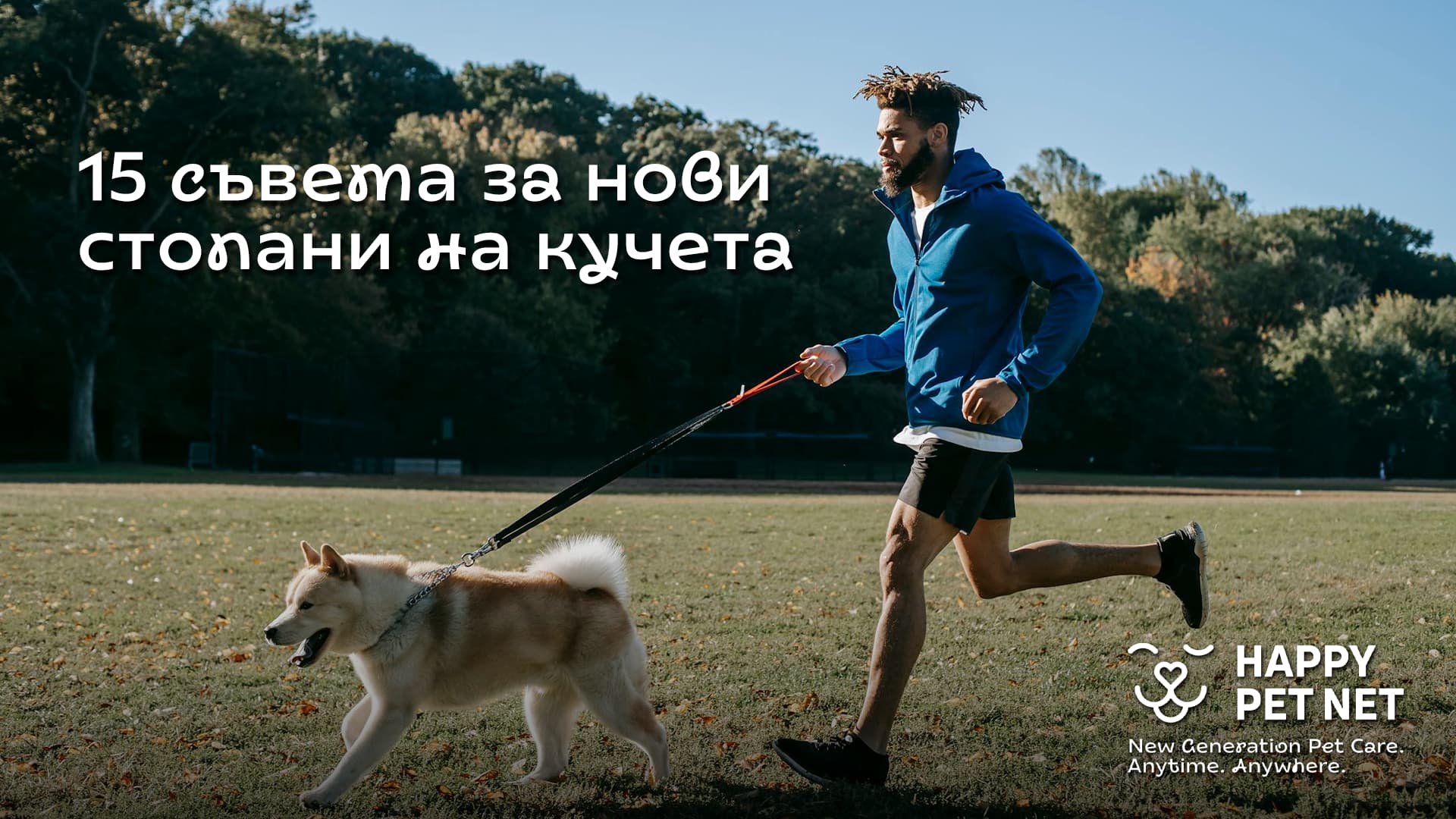
However much we'd like to, it's sometimes hard to give our dog the best possible care. The truth is that even the most devoted owners need a bit of advice and guidance from time to time!
That's exactly why today's article looks at 15 top tips for new dog owners. The tips cover everything from training and health to grooming and more. We hope they'll help your dog get even more love and live a long, happy life!
Training tips for dogs
Training a dog can be a stressful, difficult and frustrating process. It takes a lot of patience to get it right, but it's definitely worth it!
To make life easier for yourself, follow our 3 best dog training tips. They'll help you focus your efforts and make your training more effective.
1. Research your breed
Every breed has a different temperament, a different appetite for play, and a different tendency to respond to training. Techniques that work wonders for a Labrador may not have the same effect on a Husky or a Poodle.
So instead of wasting your time and your puppy's time on training tips that simply won't work, do your research. As well as making life easier for yourself, your dog will respond more positively and more naturally to methods and techniques designed for them.
If you can't find specific information for your breed, or you come across lots of conflicting opinions, it's best to get in touch with a vet. They'll know the specifics of your breed better than anyone! You can book an online consultation with a qualified vet quickly, easily and conveniently through HAPPY PET NET! That way you'll save time and effort, and you won't have to put your dog through unnecessary stress waiting in a clinic.
BOOK AN ONLINE CONSULTATION WITH A VET2. Invest in a training programme
As pet owners, we often don't have enough time to fully dedicate ourselves to the training our dog needs to lead a good-quality life.
Even so, it's important not to give up and simply accept that we have a badly behaved dog. That has consequences not just for you, but for your neighbours, family, friends and other dog owners in the area.
Being a responsible owner means knowing when you need professional help. Not doing it yourself doesn't make you a bad pet owner. There are lots of excellent programmes, services and people out there who can change an untrained puppy's behaviour.
3. Reward good behaviour, avoid punishment
Although you may get frustrated or angry with your dog when they don't follow your commands or instructions, it's important to avoid punishment and shouting.
In the long run, this will make your dog fearful and anxious, and may even make them resent or become angry with you and your family. This can lead to even worse behaviour in future.
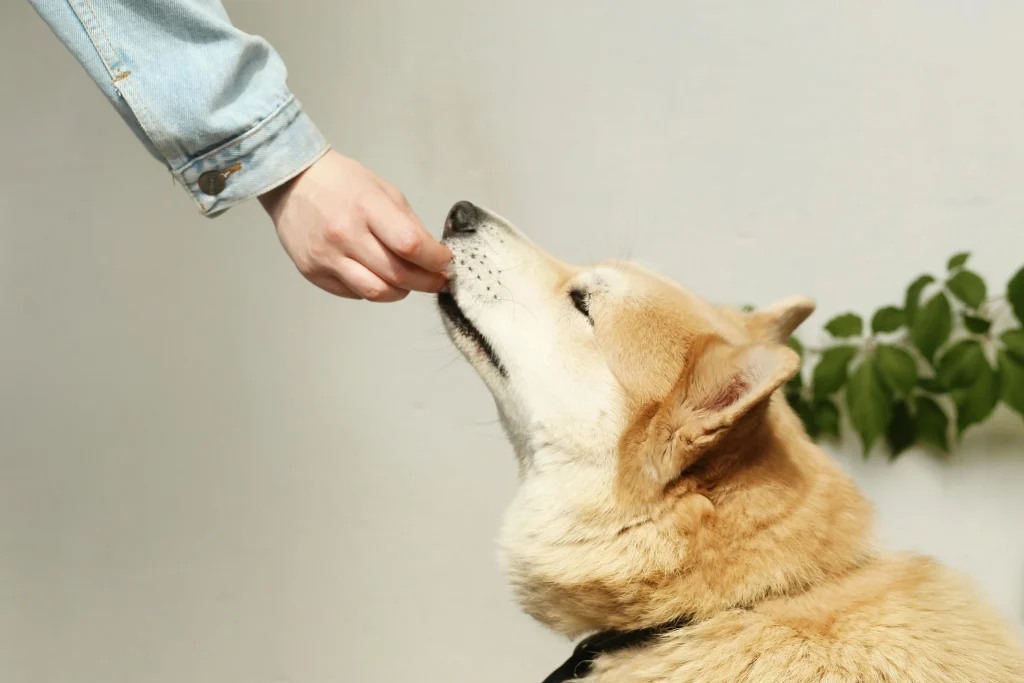
Instead, focus on rewarding good behaviour. When your dog responds to a command, you can reward them with:
- New toys
- A happy, calm tone of voice
- Extra cuddles
- Dog treats
Expert tip from our vets: Get some special treats to use only for training sessions. That way your puppy will know when it's time to focus, and you'll build a habit in them.
Tips for your dog's health
New owners very often worry too much about their dog's health. We can end up panicking about anything we notice, from increased shedding to a bit of extra tiredness.
It's good to be observant and proactive, but it can also be exhausting when you don't know what to prioritise or what to take seriously.
4. Invest in pet insurance
Dogs can be expensive. As pet owners, we can never predict just how expensive they might be. Some health problems that require daily medication can rack up bills worth hundreds, if not thousands, of leva.
The worst-case scenario is that you're no longer able to care for them and have to give them up for adoption.
To avoid that scenario, invest in good pet insurance. It will give you a safety net in case your dog has an accident or develops a health problem.
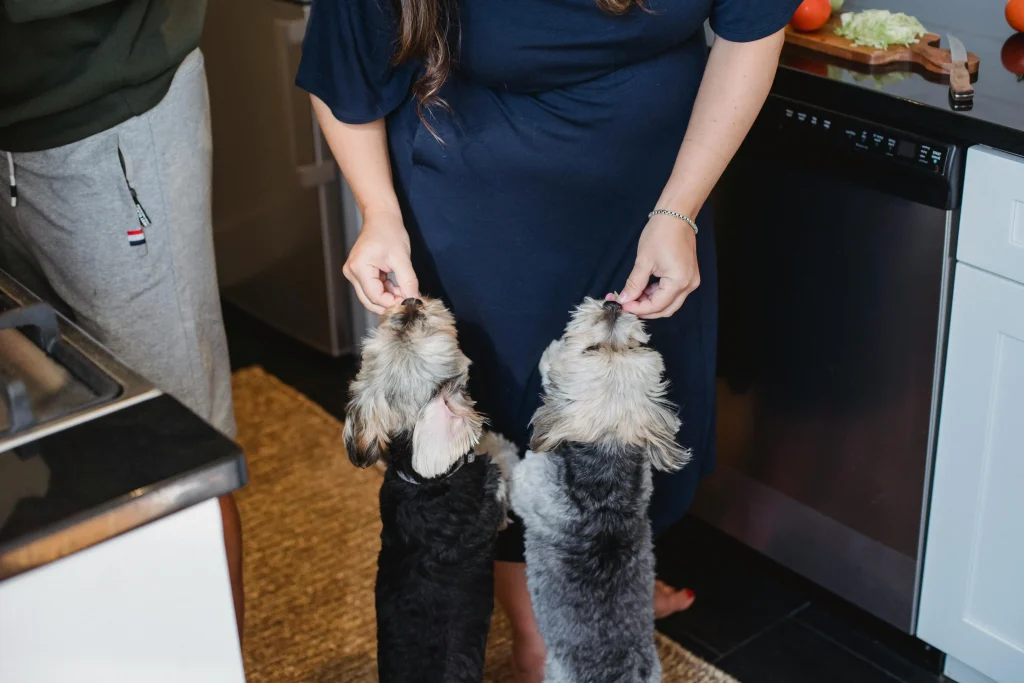
5. Pay attention to their food
Since many dogs would eat anything they see, it's very easy not to pay enough attention to their diet. If a bag of dog food says it has everything your puppy needs, then it probably does, right? Wrong!
Pet food marketing hides a lot of missing nutrients and poor-quality ingredients. What's more, every animal is different and may need a different set of nutrients to live a healthy life. For example, an older dog will need food high in omega 3, while a younger dog will need food rich in calcium and protein.
To tailor your dog's diet to suit them best, ask your vet what they need. If you're not sure whether they're missing nutrients, watch out for the following warning signs:
- Lack of energy
- A dull coat or excessive shedding
- Bad teeth and bad breath
- Diarrhoea or bloating
6. Don't forget routine check-ups
We get it — nobody likes sitting in clinics, even veterinary ones. Even so, the best thing you can do for your dog's health is to take them for a routine check-up twice a year. There's a lot of misinformation online, so simply googling whether your dog is okay isn't just insufficient — it can be genuinely dangerous.
If you notice any strange or unusual symptoms, seek professional advice as soon as possible. You can do this from the comfort of your own home by booking an online consultation with a qualified vet.
BOOK AN ONLINE CONSULTATION WITH A VETTips for keeping your dog stimulated
It's common knowledge that puppies need a lot of attention. What's less well known is that the attention they get needs to be quality attention that stimulates them.
Dogs are extremely intelligent, which means they can get bored quickly. Boredom can lead to mischievous behaviour, anxiety and depression, and sometimes even to them running away.
7. Mix up your walks
You might think that taking your dog out for two walks a day is more than enough to entertain and stimulate them.
However, since puppies are neophilic — meaning they're drawn to new scents and smells — they need a varied range of new and familiar routes to build up their collection of scents.
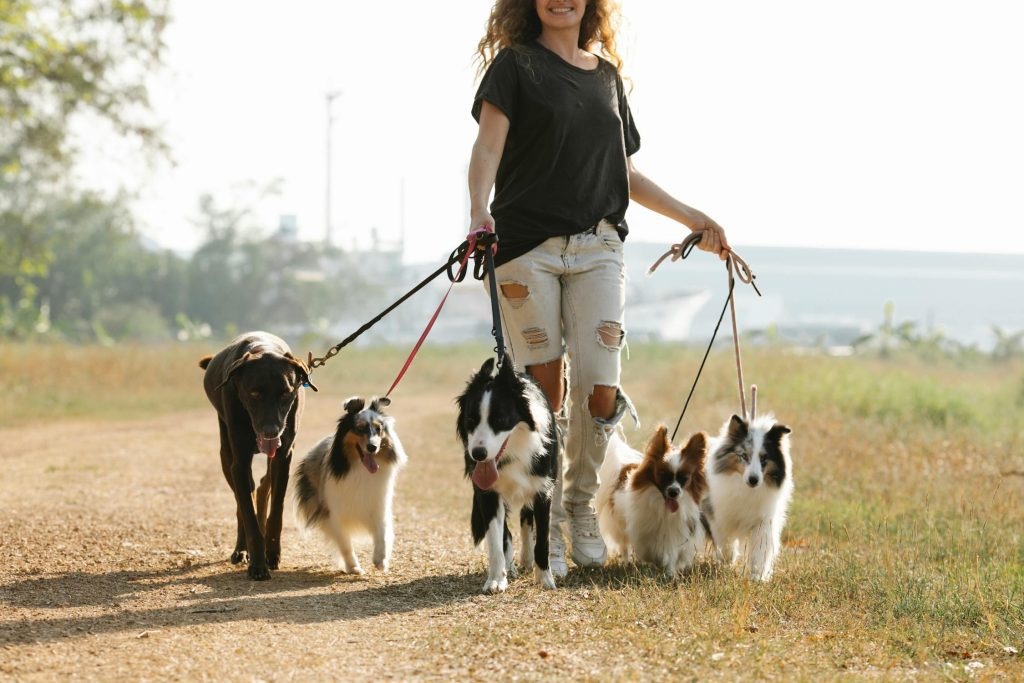
Walks in different parks where there are other dogs are a great way to entertain and stimulate your own dog.
8. Don't leave them alone
Dogs are social creatures that don't cope well with loneliness. If they're left alone for too long, this can lead to:
- Behaviour problems
- Anxiety disorders
- Attempts to escape
If you have commitments that mean you need to be away from home for hours at a time, it's important to arrange company for your dog. Whether that's a neighbour, a Trusted Sitter or a Dog walker.
9. Interactive feeders
Nothing motivates a dog more than food. That's why puzzle-feeder toys can keep your puppy entertained for hours.
Not only will this give your dog a bit of fun and stimulation, it'll also buy you an hour or two of peace and quiet.
Tips for socialising your dog
If you want a stress-free life as a dog owner, socialisation is essential. Being able to let your dog off the lead, happily make new friends, take them along on adventures and bring them to see family and friends is a privilege.
But that's only possible if you put in the time and effort to introduce your dog to different experiences and people. Use the following tips to make sure your dog is friendly and safe.
10. Sign up for dog training classes
Dog training classes might sound like a strange idea at first, but they can actually be incredibly valuable when socialising a young puppy. Thanks to them:
- Dogs can pick up specific training cues far more easily by watching other dogs follow them;
- Dogs get the mental stimulation and fun they need in a controlled environment;
- You learn how to manage their excitement;
11. Introduce them to different people and animals
A well-socialised dog is one that can react calmly and in a controlled way in most situations. To achieve this, they need to experience different scenarios with a positive outcome.
For puppies, every experience is new. Make sure you start slowly and build up to "difficult" situations gradually. For example, when you first introduce your puppy to new people, choose one or two calm friends and invite them into your home.
After that, you can start adding new visitors, visiting other people's houses, and even introducing them to other pets. To make sure it goes well, keep your dog under control. Use a lead, treats and positive reinforcement for "good" behaviour.
Your puppy will start to feel confident and comfortable in lots of different environments and with lots of different people.
12. Introduce them to children
Much like our previous tip, one of the most important elements of socialising your dog is making sure they're gentle, friendly and safe around children.
If your puppy is reactive or unpredictable around children, walks and everyday life can become very stressful. You're unlikely to ever let your dog off the lead, and having friends and family visit could become mission impossible.
Grooming tips for dogs
Nobody likes a smelly dog. But grooming is about more than that. Professional grooming is about caring for your dog's wellbeing. A well-groomed dog is a happy dog, so don't hesitate to book your grooming appointment!
13. Take care of your dog's paws
We can often forget that our dog's paws need attention. Endless walks through woods, pavements and parks mean their paws often take a beating. This can lead to:
- Small cuts or grazes;
- Splinters or objects stuck in their paws;
- Dry pads;
If any of these go untreated, they can develop into an infection or inflammation over time, which often leads to more serious or painful problems. To prevent this from happening, follow these tips:
- Clean their paws after a muddy walk;
- Trim their nails regularly;
- Check their paws regularly;
- Don't walk them on hot surfaces — especially tarmac;
- Moisturise their paw pads;
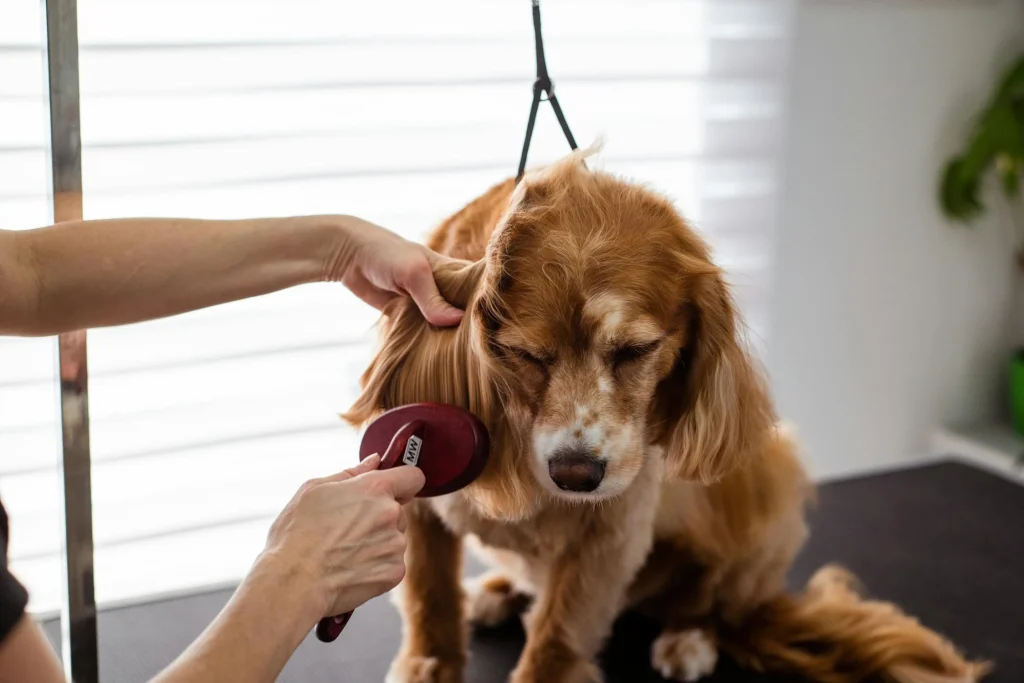
14. Make grooming a habit
Grooming is only effective if it's consistent. If you only do it once a year, their coat will be too matted, their teeth too dirty and their paws too sore for any treatment to be effective.
For your dog's teeth, try:
- Regular brushing: First, get advice from your vet, as different breeds have different jaws and respond better to different cleaning techniques.
- Dental treats: These can be a great way to strengthen teeth and reduce the build-up of plaque and tartar.
- A balanced diet: Using both wet and dry food can have a cleaning effect on your dog's teeth, so make sure you don't stick to just one or the other.
For their coat, try:
- Daily or weekly brushing and combing: Depending on your dog's breed and coat length, you may need to brush them daily. That sounds like a lot, but it will stop their coat matting and getting dirty, especially on hot summer days.
- Making sure they get the right amount of exercise: Stress, boredom or health problems can lead to a dull coat or excessive shedding. The best way to prevent this is with physical activity. This will help your dog stay a healthy weight and provide mental stimulation. All key ingredients for a healthy coat!
15. Bath time matters!
Bathing your dog is an important step for their overall health. Keeping them clean is obviously important, but there are other benefits you may not have considered.
- Regulating their temperature: Using cool, but not cold, water can help them in summer and prevent heatstroke.
- It can help with tick control: Washing your dog regularly gives you a chance to spot unwelcome hitchhikers, such as ticks, before they become a threat.
- Reducing seasonal allergies: Keeping their coat clean can significantly reduce and prevent the allergies you or your family may experience when your dog sheds.