


Protect your pet from hot pavement!
Warm summer days can seem like the perfect time for a long walk with your pet. Before you grab the lead and your shoes, though, remember to check the temperature outside. A mild day of around 25°C might not seem dangerous at first glance. But imagine walking barefoot on hot sand or asphalt. That's exactly how your four-legged friend feels!
Both dogs and cats have sensitive paw pads that become vulnerable in the heat. Hot surfaces such as asphalt, artificial grass and paving can cause blisters and/or burns on the paw pads. Hot pavement can also raise your pet's overall body temperature, which can lead to heatstroke and even dehydration.
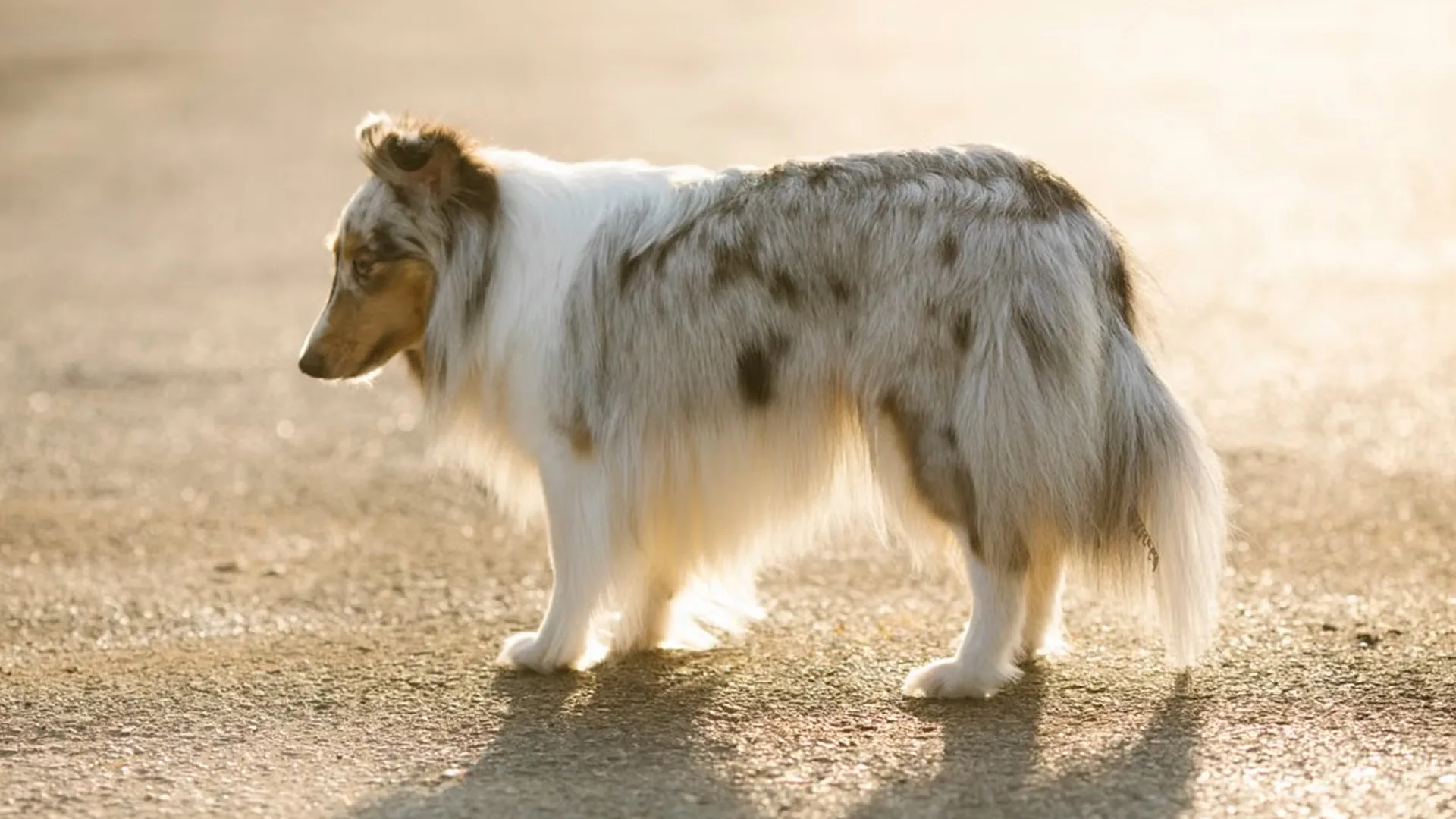
Before you reach for the lead, keep these 5 tips in mind:
1. Check the pavement before the walk.
Place your hand or a bare foot on the pavement for five seconds. If it's too hot for your skin, it's most likely too hot for your pet too.
2. Walk during the cooler parts of the day.
Avoid walks during the hottest part of the day. Instead, choose early morning and late evening walks, when the asphalt is cooler.
3. Keep midday walks short.
If you still need to take your pet out during the day, try to keep the walks short. If you've planned a longer outing, remember to bring water and take frequent breaks.
4. Avoid hard surfaces and stick to grass.
Hard surfaces like asphalt can be tough on your dog's joints, as well as being too hot for their paws. Where possible, stick to grass, soil or softer ground, but still watch out for uneven surfaces.
5. Stick to a shaded, cool route.
You don't want your four-legged friend to overheat. That's why sticking to cool, shaded routes is key. If your dog loves water, walks by a lake or the sea are a great way to cool off after a long walk.
3 tips to protect your pet's paws from hot pavement
Tip 1: Moisturise their paws.
Regularly moisturising your dog's paws can help prevent injuries such as cuts, cracking or peeling – all of which can make your dog's paws more prone to burns. Be sure to moisturise with a pet-safe, vet-approved lotion or paw wax. If you're not sure which product to choose, we recommend booking an online consultation with a vet, who can talk you through all the options for your pet.
Tip 2: Use dog boots.
Dog boots are one of the best ways to protect your dog's paws from heat and potential injuries. Bear in mind, though, that not all dogs like wearing this kind of footwear, and some may even find it hard to walk in them. It will most likely take some time for your pet to get used to wearing them. If you do decide to go with this option, choose dog boots with a rubber sole, as they offer the best protection.
Tip 3: Always check your pet's paws.
A good habit to build is checking your pet's paws regularly, especially after a walk, and washing them often to prevent any potential infections.
Signs of burnt paws in dogs
One or more of the following symptoms could be a sign that your pet's paws are burnt:
Your pet seems to be in pain or discomfort. If your four-legged friend is holding up a paw, limping, licking or chewing their paws and doesn't want to walk, there's a good chance they're suffering from burnt paws.
There's a problem with your pet's paw pads if you notice a change in their colour. In cases of burns, the pads are usually darker, changing from pink to red.
There are blisters on your pet's paw pads. If you notice any of these signs, get your dog to a safe, cool place straight away, where you can rinse their paws with cold water. Consult a vet immediately, so they can give you the most accurate advice on what to do next.