

7 dog breeds that are NOT suited to families with children
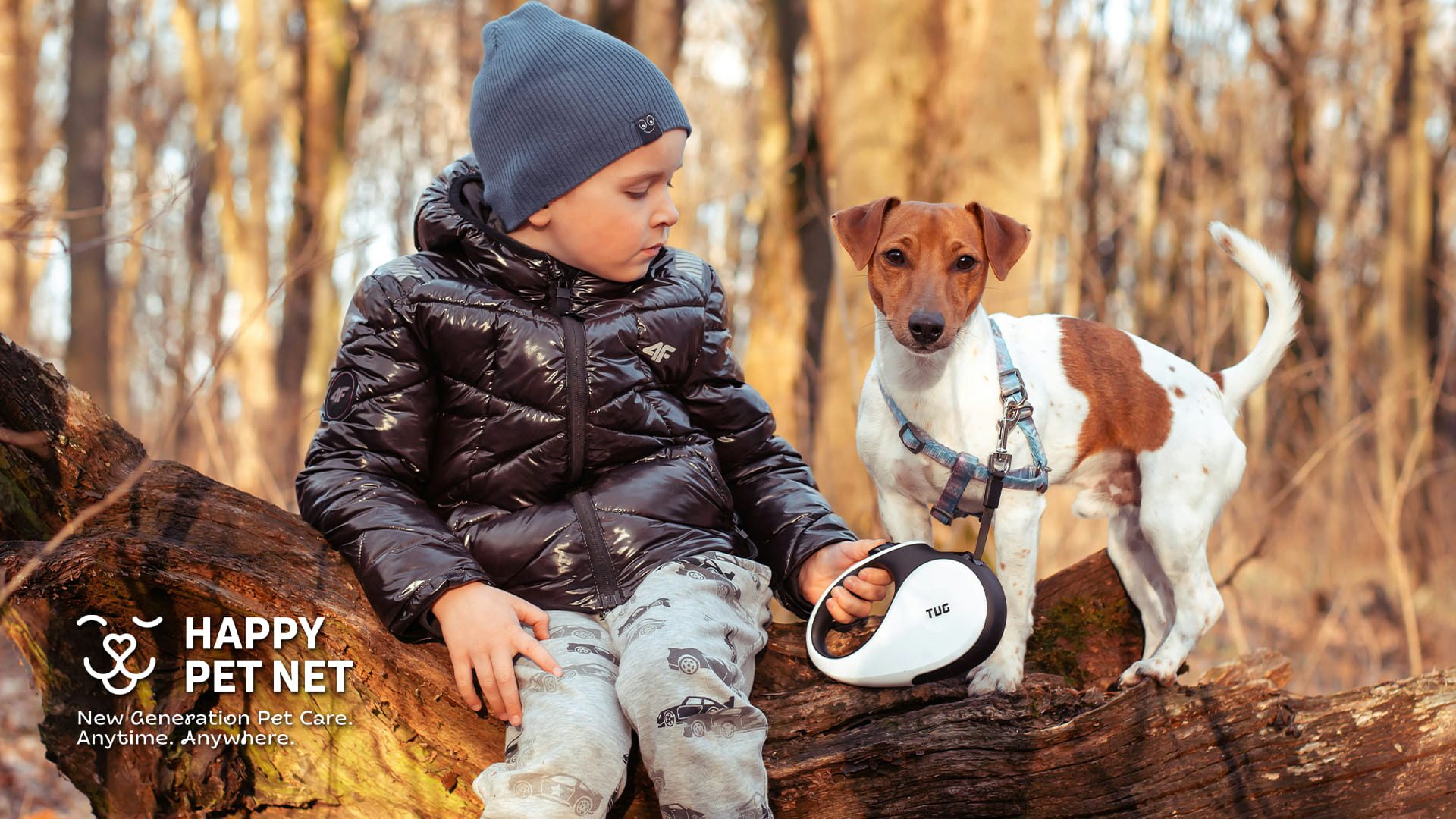
When you become a dog owner for the first time, you'll most likely be utterly charmed by how sweet they are. But have you thought about how this puppy would get on with your children? Most people would assume that if they get a puppy, it will adapt to their way of life and get used to every member of the family.
This is generally true, but it also depends a great deal on the dog's character, their early socialisation, consistent training and their previous experience, and some breeds are better suited to children and families than others. It also depends on the family's lifestyle, which needs to match the dog breed they choose. Active families who love spending time outdoors should choose a dog breed that is nimble and active and can keep up their pace.
Some dog breeds are not so well suited to children. Are there exceptions to this general rule? Of course! But if you're on the lookout, you may want to set yourself apart from the dog breeds that are generally considered less suitable for children. That's exactly what we'll look at in today's article!
Why it's important to teach your children to respect animals
Children learn a whole host of things for the first time, including how to interact with animals. Some children will be naturals at this from the very start, while others will take some time to learn. That's entirely normal and expected, but some dogs may not be so understanding of the process.
A successful match between children and dogs comes from mutual respect. The bond will organically grow into a lifelong friendship.
It's important to teach your children never to:
- Invade the pet's personal space;
- Interfere with their feeding;
- Pull, pinch or hit the dog;
- Tease the dog with toys and/or food;
- Shout in the dog's face;
Supervision and training are the best tools for helping your pets and children settle in together. Once everyone in the home is in harmony, things will run more smoothly.
The 7 dog breeds potentially unsuitable for children
The dog breeds we'll discuss are great dogs in their own right. But when it comes to small children running around, these may not be the best options for your family. Of course, this isn't a hard-and-fast rule and there will be plenty of exceptions.
1. Chihuahua
How can such a tiny, adorable puppy, which looks completely harmless, top the list? A Chihuahua may look like a small, innocent face, but be careful – these dogs can be surprisingly forceful. They tend to be strongly attached to one person, without much interest in being friendly to anyone else.
They pose a potential bite risk to small children, especially if they feel a child is invading their space. This breed can be quite temperamental, not wanting anything unsettling or annoying to happen around them. If they're not in the mood for children, they'll show it by biting.
Chihuahuas are also very small and will be very sensitive to rough play. These fragile dogs need a calmer environment – they may do well with older children.
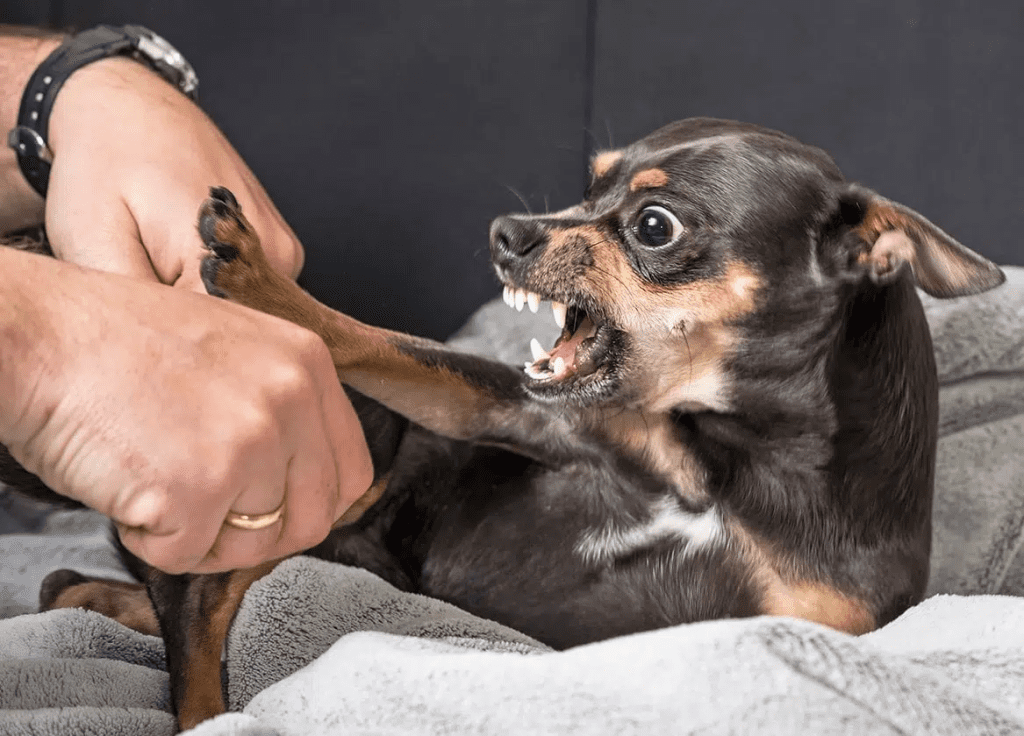
Photo: Piotr Wawrzyniuk, Shutterstock
2. Akita
Akitas are great protectors who watch over their families at every turn. They're always alert and have your back. However, the breed may not be the best companion for your children.
Because Akitas are stern and serious, they don't cope well with nonsense and teasing. If they feel children are too unpredictable, they may not react appropriately. What's more, an Akita may be protective of the children in your family but dislike outsiders, which can be dangerous for visitors.
When a child is old enough to respect the dog's boundaries, an Akita can fit well into your home. Always assess the situation to see whether your child's character and the Akita's businesslike, not-so-playful nature will get along well.
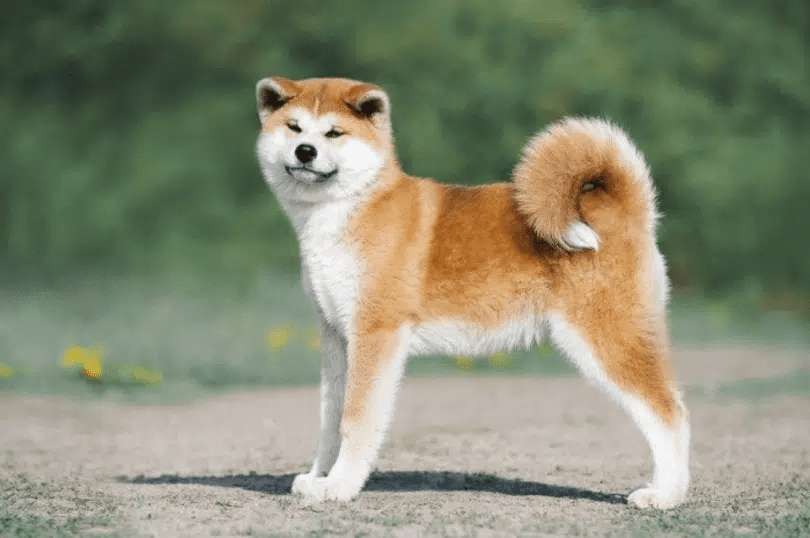
Photo: Anaite, Shutterstock
3. Chow Chow
It's almost impossible to resist a Chow Chow puppy. These fluffy little bear cubs will win your heart with their curved eyes and wrinkles. But however adorable they are, a Chow may not suit a large family with young children.
The Chow's biggest issue is that they take loyalty to another level. They don't get on well with strangers or other pets. Even with children at home, some dogs can be very reserved towards them.
Chow Chows don't like being disturbed when they're not in the mood. If they're lying down having a nap and a hyperactive child pesters them, they may react unfavourably.
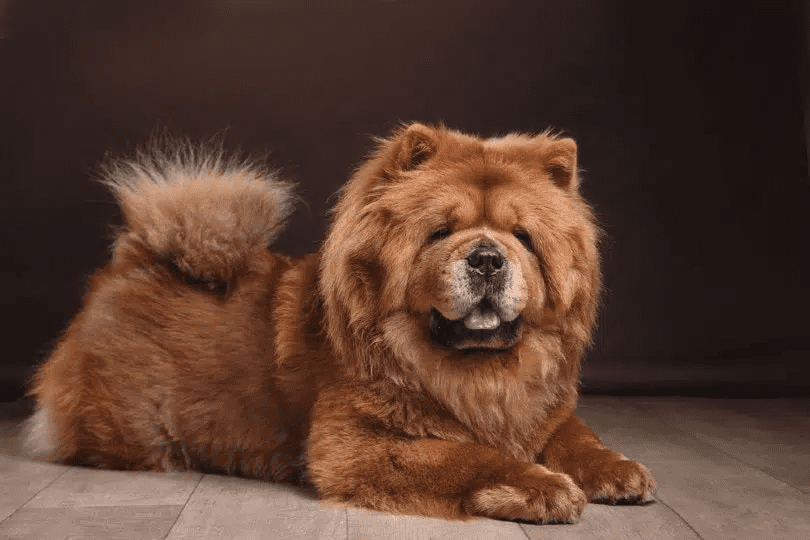
Photo: dezy, Shutterstock
4. Greyhound
Greyhounds are very pleasant, calm dogs with a reserved character. These dogs are also among the fastest runners in the dog kingdom, which makes them fun companions in the garden. Although they're wonderful companions for older children, they may not cope as well with younger ones.
Greyhounds don't like chaos and unpredictable behaviour. A small child can often startle a Greyhound, which can lead to nervousness and a potential nip. They aren't aggressive dogs, but they do frighten easily.
Greyhounds prefer a quiet life, which often makes them less compatible with noisy households. Any parent can confirm that no small child is quiet.
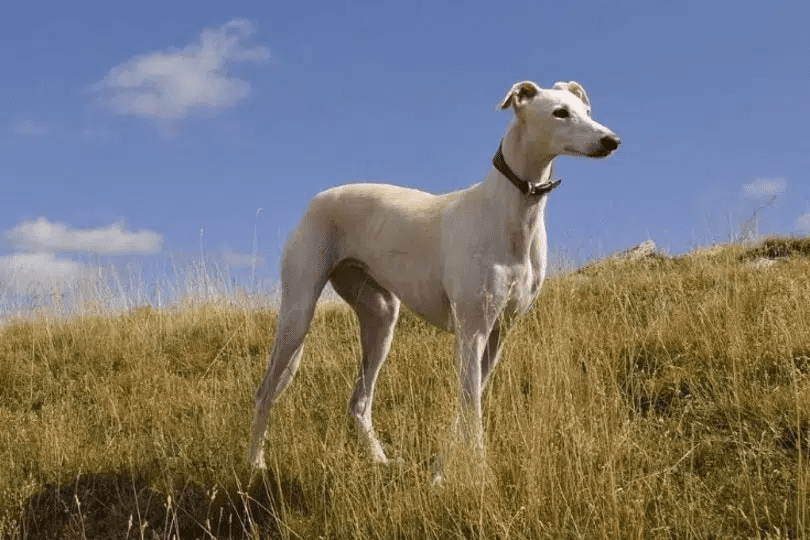
Photo: Pixabay
5. Mastiff
The Mastiff's sheer size alone may be enough to put parents off this choice, but these gentle giants tend to be very affectionate towards children. These dogs are also protective, and a child can heighten that instinct. On the other hand, this can be dangerous for any potential visitor.
Mastiffs have exceptionally powerful tails. Most tails sit at the level of your small child's face. One good wag and you'll have a serious injury on your hands – and that's just their tail! These muscular dogs weigh a great deal and can easily hurt your children without meaning to.
Once your children are 10 or older, Mastiffs can be a wonderful addition to the family. But it may be best to wait until your children have grown a little before welcoming this big canine friend.
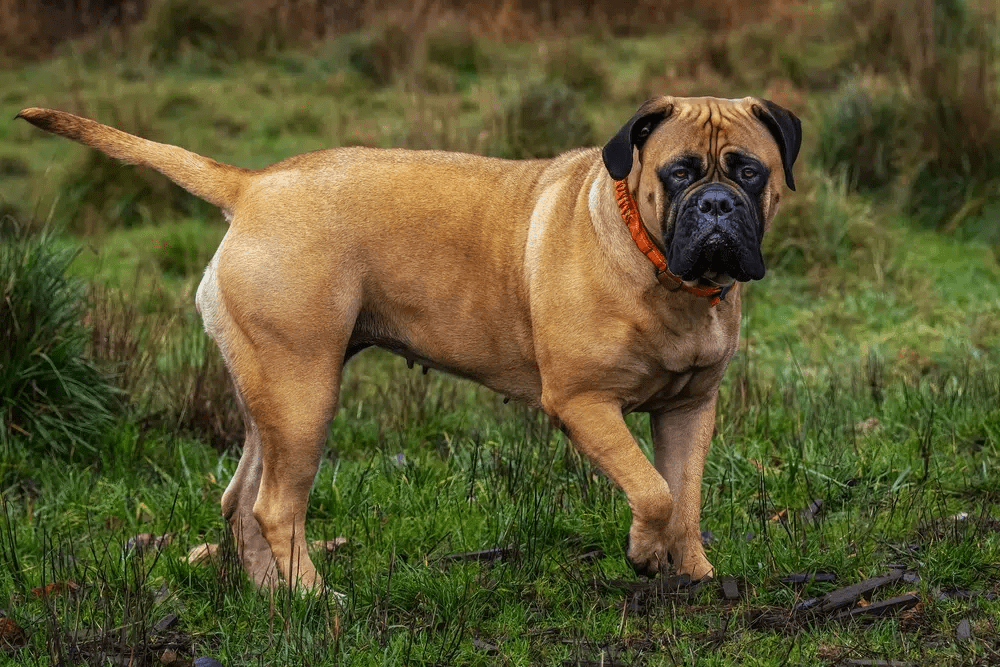
Photo: Michael J Magee, Shutterstock
6. Pekingese
Pekingese may look sweet and fluffy, but don't let their fluffy coat fool you. These dogs can be quite playful and temperamental, so they may not like children getting too close. If a child is overly pushy, this can lead to biting.
The Pekingese can suffer from small-dog syndrome, meaning they don't have the same attitude towards or tolerance of children as other dogs. They may see them as rivals or equals, meaning they might try to boss them around.
The Pekingese prefers a calm environment where they won't be disturbed by their favourite people.
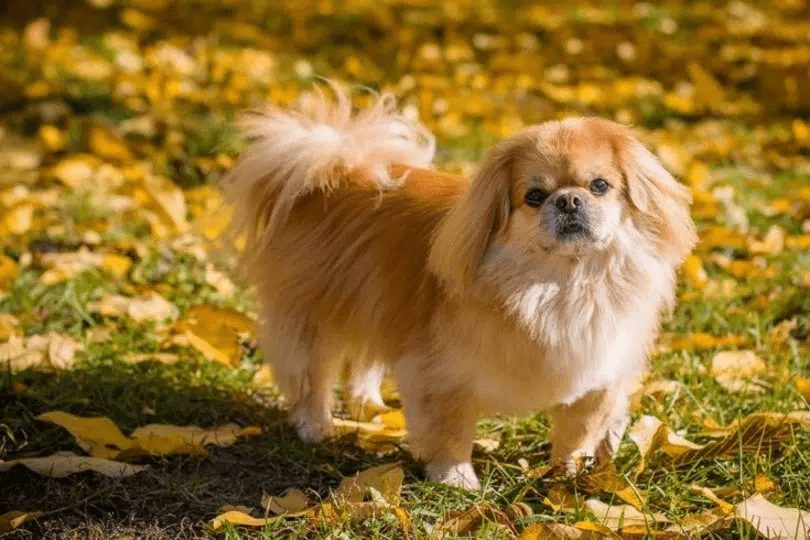
Photo: T.Den_Team, Shutterstock
7. Rottweiler
Rottweilers are absolutely excellent family companions and can fit well into many lifestyles. They have a strong tendency to look after little ones. However, small children are sometimes not the best fit.
Some Rottweilers can be very loving and gentle, but they're also muscular and large, and your child may pose a tripping hazard. A Rottweiler who isn't yet fully trained may drag children along on the lead.
Because Rottweilers are large dogs, they mature slowly, which means their puppy phase lasts forever, long before they grow up. You may find yourself constantly wondering which is worse – your puppy or your children.
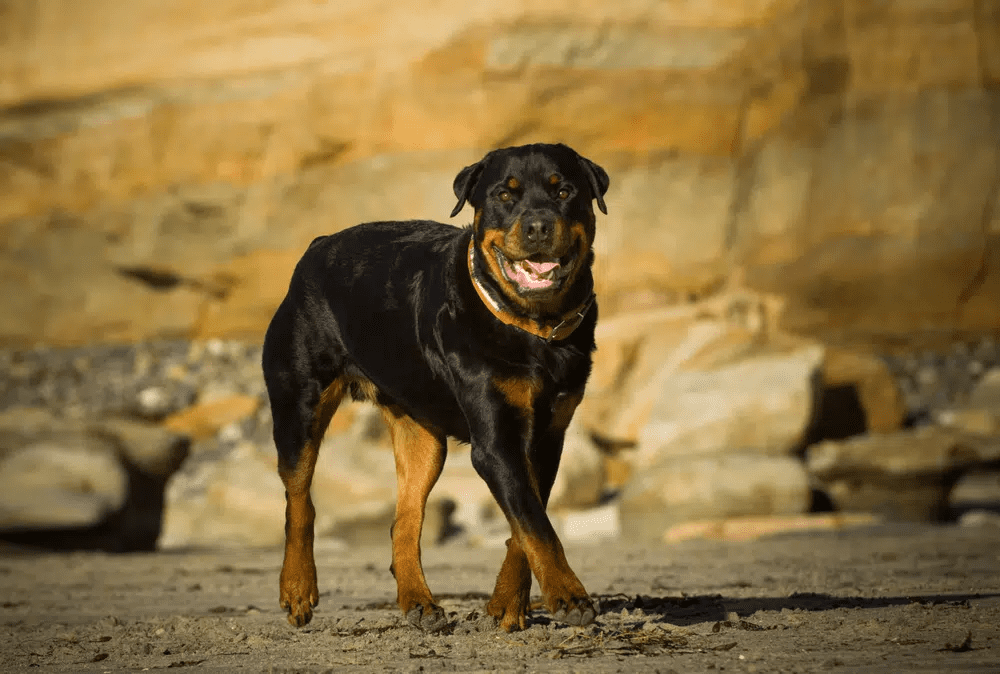
Photo: everydoghasastory, Shutterstock
Final thoughts
Each of these breeds is fantastic in their own way. They've been bred for different reasons, which makes them skilled and dependable in certain traits. Although some of them may not be the best fit for small children, they can still offer love and companionship in the right homes, and some will be the exception to this list and fit in well with families with younger children. Early socialisation, positive-reinforcement training, individual temperament and supervision are crucial to keeping your children safe.
If you're looking for a family-friendly breed, just make sure you do your research and consult a vet. When choosing a puppy or adopting from a shelter, make sure your children, other pets and you are compatible before committing.
Do you enjoy this kind of content? Check out our Blog section! You can also follow HAPPY PET NET on social media, where we post interesting and fun pet-related content every day!
Follow HAPPY PET NET on Facebook Follow HAPPY PET NET on Instagram