

What vegetables can dogs eat?
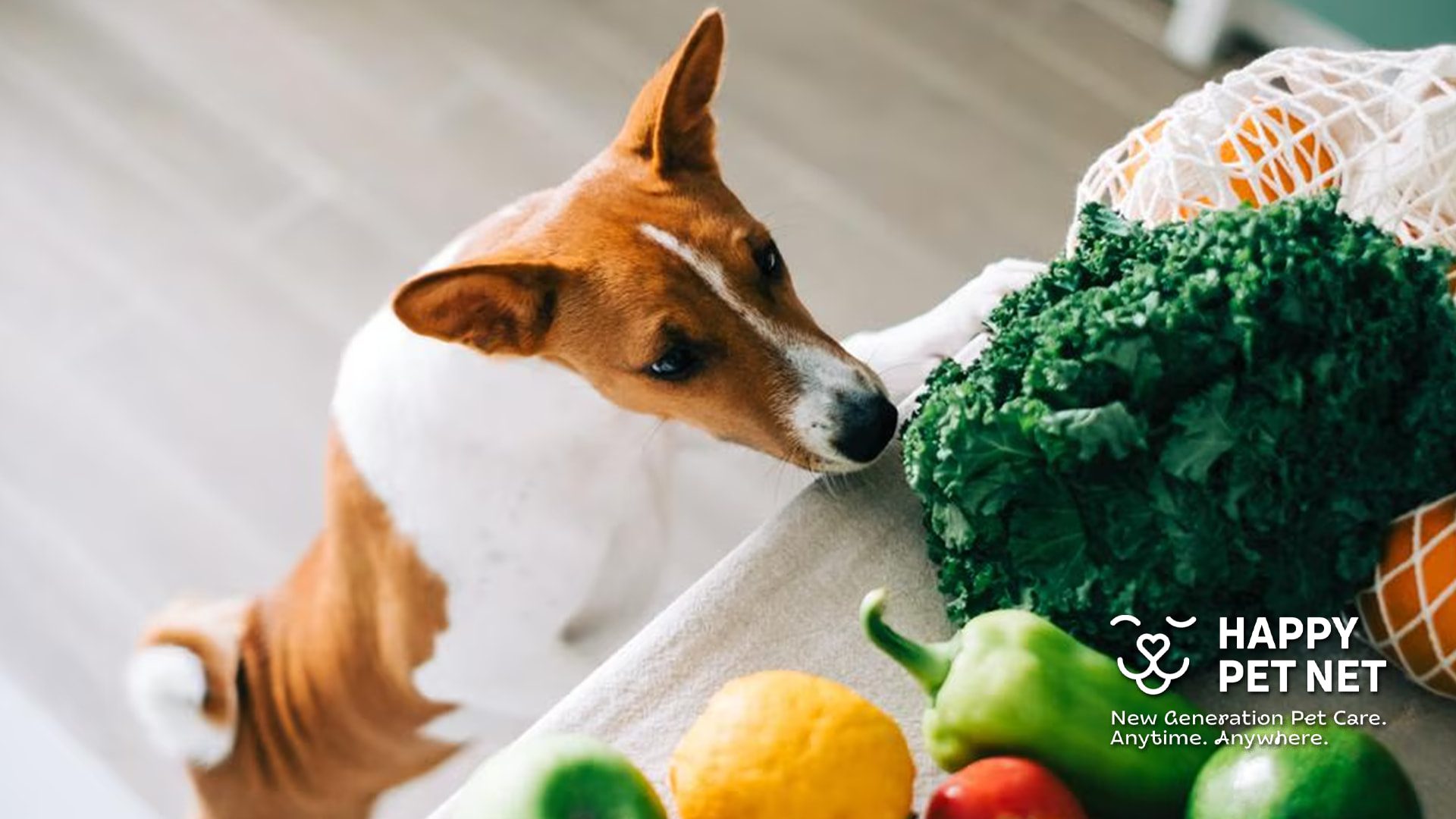
Vegetables can be a nutritious food for dogs, but which vegetables can dogs actually eat? There are plenty of vegetables that are healthy and safe for your dog, but not all vegetables are the same. Some of them are actually toxic.
Before you add fresh vegetables to your dog's diet, it's important to know which ones are safe, which to avoid, and how best to serve them.
Always consult your vet before giving your dog new foods, especially "human food". What may be suitable for one dog may not be suitable for another, depending on a range of factors such as age, medical history, health condition and diet. Dogs on a prescription diet shouldn't be fed anything outside it unless your vet tells you it's fine to do so.
Key facts
- Many vegetables are safe for dogs if prepared properly.
- Some vegetables, such as onions and wild mushrooms, can be toxic to dogs. Others are often prepared with seasonings and herbs that can harm your dog.
- Because of their health benefits, vegetables are a common ingredient in many commercial dog foods.
Which vegetables are good for dogs?
If you're looking for a healthy, easy food for your dog, here are some of the most suitable vegetables you can feed them.
Peppers
Peppers are safe and healthy for your dog, whatever their colour.
They're rich in vitamins A, B6 and E, lutein and antioxidants such as vitamin C and beta-carotene. They can help support your dog's skin, coat and eyesight.
Broccoli
Broccoli is rich in fibre, but bear in mind it can cause wind.
This vegetable also contains antioxidants, easily digestible plant proteins, vitamins and minerals such as vitamins C and K, potassium, folic acid, magnesium, sodium and chromium. If you don't want to give your dog fresh broccoli, you can choose treats that contain broccoli as an ingredient.
Brussels sprouts
Brussels sprouts are rich in fibre, antioxidants and vitamins A, B1, B6, C and K.
Eating too many can lead to flatulence and other stomach problems, such as an upset stomach or diarrhoea.
Pumpkin
Pumpkin is rich in vitamin C, which supports your dog's immune system. It's also rich in fibre and antioxidants. Pumpkin is a popular ingredient in ready-made treats and dog foods, so your dog can get the nutrients they need even if you don't have any fresh pumpkin.
Cabbage
Cabbage is rich in antioxidants and fibre, which support your dog's digestive system. It also contains folic acid, protein, potassium, calcium, manganese, magnesium, iron, riboflavin and vitamins A, B6, C and K. However, cabbage can cause excess wind.
Carrots
Carrots are a great choice of healthy food for dogs. They're high in fibre and low in calories, and they also contain beta-carotene, which produces vitamin A.
Dogs also enjoy crunching on them, and most love their natural sweetness.
Even so, they should be given in moderation, as they're high in sugar.
Many ready-made dog foods and treats contain carrots.
Cauliflower
Cauliflower is low in calories and is a healthy, safe food for dogs. It contains vitamins C and K, calcium, potassium and folic acid.
Bear in mind, though, that cauliflower is rich in fibre, which, although safe for your dog, can cause excess wind.
Celery
Celery has a high water content, is rich in fibre and low in calories. It contains vitamins A, B, C and K, as well as folic acid, potassium and manganese.
However, celery should be peeled before you give it to your dog. If you don't want the hassle of peeling celery, choose a ready-made treat that contains celery as an ingredient.
Cucumbers
Since cucumbers are 96% water, they help hydrate your dog. They're low in calories and sugar, and contain potassium, magnesium, vitamin C and vitamin K.
Green beans
Green beans contain vitamins A, B6, C and K, as well as protein, iron, calcium and fibre.
They're low in calories, but help your dog feel full, and (bonus!) most dogs like the natural sweetness of this vegetable. If your dog doesn't like plain green beans, you can buy foods or treats that contain this green vegetable.
Lettuce
Lettuce is a dog-friendly vegetable that's low in calories, rich in fibre and 90% water, which makes it great for hydration.
Romaine, rocket and iceberg lettuce are suitable varieties for your dog, but in large amounts they can be harmful.
Mushrooms
Plain white mushrooms from the shop – when clean and washed – are safe for dogs.
Dogs should never eat wild mushrooms that you haven't bought from a shop.
Garden peas
Garden peas are a good source of vitamins A, C and K, as well as iron and potassium. They're rich in fibre and contain antioxidants that can help reduce inflammation.
Pumpkin
Pumpkin is rich in fibre and can help regulate digestion and prevent constipation in dogs. It's also rich in antioxidants and is a good source of vitamins A, C and E, potassium and iron.
Pumpkin supplements and ready-made treats are widely available. You can also buy plain tinned pumpkin, specially intended for dogs, to add to your dog's food.
Spinach
Spinach is safe in small amounts for healthy dogs.
However, this leafy vegetable contains oxalates, which can lead to the formation of kidney and bladder stones in susceptible dogs if eaten in large amounts. It also contains isothiocyanates, which in large amounts can cause serious stomach irritation.
Sweet potatoes
Sweet potatoes are high in fibre and are a good source of vitamin A, which supports healthy skin, coat and eyes.
They should be cooked before you give them to your dog. You can also buy tinned sweet potato to add to your dog's food or to vary their menu.
Courgettes
Courgettes are safe for dogs. They're low in calories, fat and cholesterol. They're rich in fibre, antioxidants, minerals and vitamins A, C, B6 and K.

Which vegetables can't dogs eat?
The following vegetables are toxic to your dog. If they eat any of them, including in other foods or dishes – especially in large amounts – contact your vet immediately.
Onions
Onions, leeks, garlic and wild onion are part of the allium family and are toxic to both dogs and cats.
Eating onion can cause vomiting, diarrhoea, stomach pain and nausea. It can also lead to the destruction of your dog's red blood cells.
Wild mushrooms
Wild mushrooms should always be avoided.
There are thousands of different species of wild mushroom in Europe and around 100 toxic species. Since it can be hard to identify the toxic species and work out what your dog has eaten, just do your best not to let your dog eat wild mushrooms.
Check your garden for mushrooms if your dog tends to forage. If you come across wild mushrooms, keep your dog away from them.
How to prepare and serve vegetables for dogs
Follow these tips when preparing dog-safe vegetables as a treat for your dog:
- Wash them well.
- Make sure they're clean and prepared without seasonings.
- Cut them into small pieces suitable for your dog.
- Remove stalks, leaves, seeds, cores, pits or anything else that could pose a choking hazard or cause a bowel blockage.
All treats, even vegetables, should be served in moderate amounts. Treats shouldn't make up more than 10% of your dog's overall diet. The remaining 90% or more should come from a well-balanced diet of dog food.
FAQ
What raw vegetables can dogs eat?
Dogs can eat raw peppers, broccoli, carrots, cauliflower, lettuce, spinach and courgettes. They can also eat pumpkin, aubergine and sweet potatoes, but these vegetables should be well cooked before you give them to your dog.
What tinned vegetables can dogs eat?
Dogs can eat any of the vegetables from the safe list above in tinned form, as long as they're unsalted and prepared properly. Safe tinned vegetables include green beans, pumpkin, spinach and peas.
What vegetables are used in dog food?
The most commonly used vegetables in dog food are:
- Sweet potatoes
- Potatoes
- Carrots
- Green beans
- Garden peas
- Broccoli
- Beetroot
- Sweetcorn
- Kale
- Spinach
- Soya
Which vegetables cause wind in dogs?
Some vegetables are more likely than others to cause wind in dogs. The high fibre content, together with the sugar that's left undigested in your dog's gut from these vegetables, can lead to bacterial fermentation, which causes bloating and wind.
The following vegetables can cause wind in dogs:
- Broccoli
- Garden peas
- Cauliflower
- Brussels sprouts
- Cabbage
Do you like this kind of content? Check out our Blog section! You can also follow HAPPY PET NET on social media, where we post interesting and fun pet-related content every day!
Follow HAPPY PET NET on Facebook Follow HAPPY PET NET on Instagram