

5 dog breeds to consider if you're about to become an owner for the first time

Choosing your first dog is an exciting and important process. It does help, though, to know exactly what to expect, so you can plan and adjust your lifestyle around what you want from your pet.
There are hundreds of different breeds to suit different living situations, so doing your research really matters.
In today's article we compare 5 dog breeds that are best suited to new owners, so you can make an informed decision.
1. Labrador Retriever
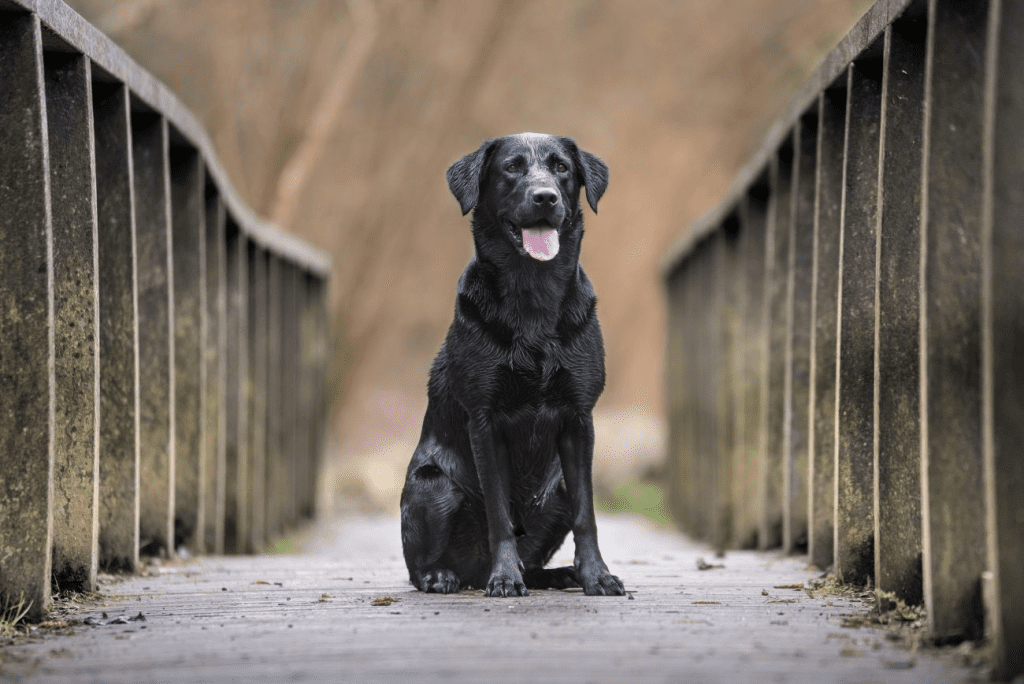
If you're about to become a dog owner for the first time, you'll most likely have a wonderful experience raising a Labrador. This breed is incredibly friendly, loyal and fun! They're very gentle and affectionate, so they're a great option if you have children who can play with them all day long, because they love attention and need plenty of it.
Labrador Retrievers need a lot of exercise and walks and they love to run! So if you live in a house with a garden or have a park nearby, they could be an ideal choice. Sadly, they aren't as well suited to life in a small flat in a densely built-up city.
A few important things to bear in mind before you make your decision:
- Grooming: The Labrador has a shorter coat, which means brushing and trimming aren't as involved as they are for their long-haired friends. Even so, they shed a lot of coat, so regular brushing and bathing are essential!
- Size: These dogs are a relatively large breed, but nothing you can't handle! They weigh between 25 and 36 kg and stand between 55 and 62 cm tall.
- Temperament and energy: Labradors have a very even temperament and are generally very happy dogs! Although they have lots of energy and love to run, they'll also enjoy a nap on the sofa.
- Lifespan: With the right veterinary care, Labradors often live to around 11-13 years.
Health problems:
Many dog breeds have specific health problems that are passed down through the generations, because of the way they have been bred.
For Labradors, those problems centre on their joints and muscles. The following are fairly common:
- Hip and elbow dysplasia
- Osteochondritis
- Obesity
- Cancer
One tip from us: With regular veterinary check-ups you can spot any potential problems early, so you can treat them as soon as possible. You can book a check-up with a vet with no upfront payment through HAPPY PET NET!
BOOK A CHECK-UP APPOINTMENT2. Cavalier King Charles Spaniel
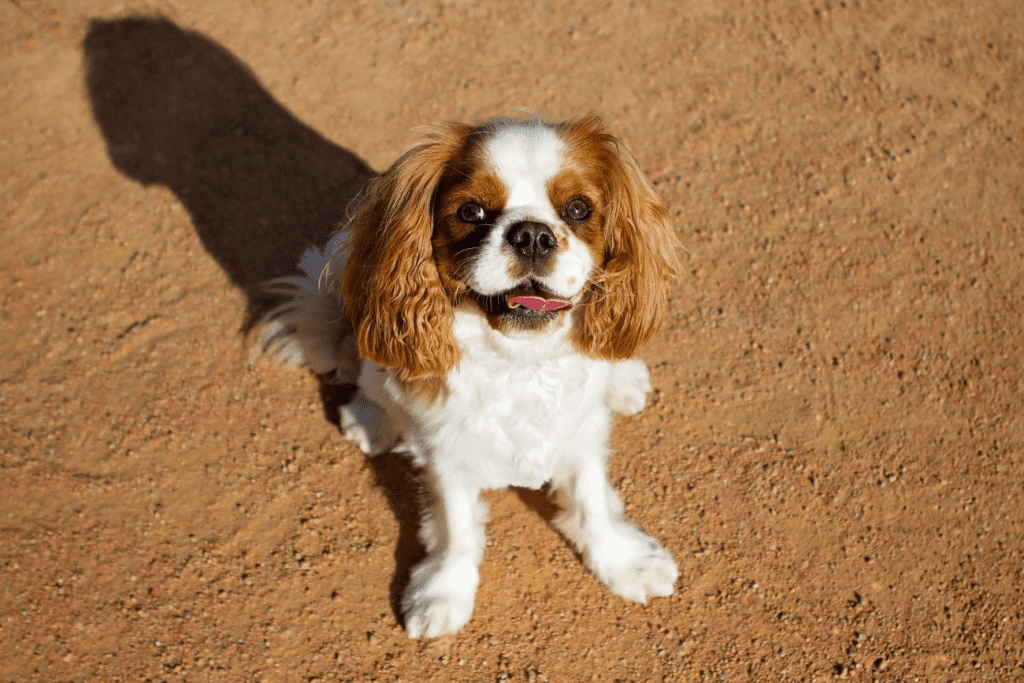
The Cavalier King Charles Spaniel is a charming toy breed that wants nothing more than endless love and affection. They're descended from sporting breeds, so they'll happily come along on walks and adventures with you — but they'll also appreciate a lazy day in bed!
These furry companions are very gentle, happy dogs and there's nothing they love more than pleasing their owners. That makes them easy to train and a popular choice as show dogs, thanks to how obedient they are. As you can imagine, it also makes them the ideal low-maintenance family dog.
A few important things to bear in mind before you make your decision:
- Grooming: The Cavalier's long coat is silky soft and needs only some brushing and the occasional wash to stay healthy. They do shed a little, but it's nothing compared with other long-haired dogs.
- Size: These dogs are a very small breed, which makes them practical for smaller houses and flats. They weigh between 6 and 8 kg and stand between 30 and 33 cm tall.
- Temperament and energy: This low-maintenance breed has the happiest, calmest temperament going. Their energy levels are fairly low, which means one or two walks a day will be enough.
- Lifespan: With the right veterinary care, the Cavalier King Charles Spaniel can live between 9 and 14 years.
Health problems:
Unfortunately, because the Cavalier was re-bred and re-established after the Second World War from just six dogs, they really do suffer from a number of genetic conditions.
Many of these problems can be treated if they're spotted in time, but it's important to be aware of the following:
- Syringomyelia: This breed's skull is too small for their brain, which causes abnormal pressure and a build-up of fluid.
- Mitral valve disease: This heart condition starts as a murmur and eventually leads to heart failure.
- Hearing and sight problems: Ear infections and dry eye are very common among Cavaliers.
3. Yorkshire Terrier
When it comes to affectionate dogs, it's impossible not to mention the Yorkshire Terrier. These little dogs thrive in loving families who can give them endless attention and keep them happy. So if you're about to become a dog owner for the first time, they're the ideal choice of furry friend.
That said, they have another side to them. They're fierce hunters and very self-assured, which means they love to run off and throw themselves into an adventure. Yorkshire Terriers also often have strong characters, so every dog is different.
A few important things to bear in mind before you make your decision:
- Grooming: The Yorkshire Terrier's coat is more like human hair than a dog's coat. It's silky soft and smooth, and needs brushing and washing fairly regularly to stay that way!
- Size: These dogs are a small breed, which makes them practical for smaller houses and flats, and easy to carry. They won't weigh more than 3-4 kg, and they stand between 18 and 20 cm tall.
- Temperament and energy: Although the Yorkshire Terrier's temperament is very consistent, their energy levels can go from cuddling on the sofa to tearing about in seconds, so make sure you give them plenty of physical and mental stimulation.
- Lifespan: With the right veterinary care, the Yorkshire Terrier usually lives from 13 to 16 years.

Health problems:
Although Yorkshire Terriers are a pedigree breed, they have significantly fewer serious potential health problems tied to their breed than others do.
The following problems can be common in many very small dogs, including Yorkshire Terriers:
- Tracheal collapse
- Dental disease
- Hypoglycaemia
- Liver shunt
4. Golden Retriever
It's no surprise that the Golden Retriever makes our list. They're widely recognised as one of the best dogs you can have, and not just for new owners. This breed is incredibly loyal, gentle and loving, and will become another member of the family the moment you bring them home.
They're wonderful family dogs who will entertain and look after your children for hours. They enjoy long walks and adventures, but they're just as excited by evening cuddles and good-quality rest. They're often thought of as a bit daft, which makes them one of the funniest and most endearing dog breeds — but in fact they're incredibly intelligent.
A few important things to bear in mind before you make your decision:
- Grooming: Retrievers need plenty of brushing and bathing because of their long, flowing coat. In summer the amount they shed can be hard to keep on top of, so make sure you factor that in before you make any decision!
- Size: Golden Retrievers are a medium-to-large breed of dog. They weigh between 27 and 34 kg and stand between 51 and 61 cm tall.
- Temperament and energy: Your Golden Retriever is all but guaranteed to be a sweetheart. Their temperament is calm and gentle, and they're very emotionally intelligent. They have high energy levels and will need lots of attention and walks!
- Lifespan: With the right veterinary care, this breed of dog will usually live between 10 and 12 years.

Health problems:
Golden Retrievers are predisposed to many of the same genetic conditions as Labradors. Although they have a good, long lifespan, it's important to take them for regular preventive check-ups with a vet to help them live a pain-free life.
The most common health problems in Retrievers are:
- Hot spots (patches of infected or inflamed skin)
- Hip and elbow dysplasia
- Hyperthyroidism
- Cancer
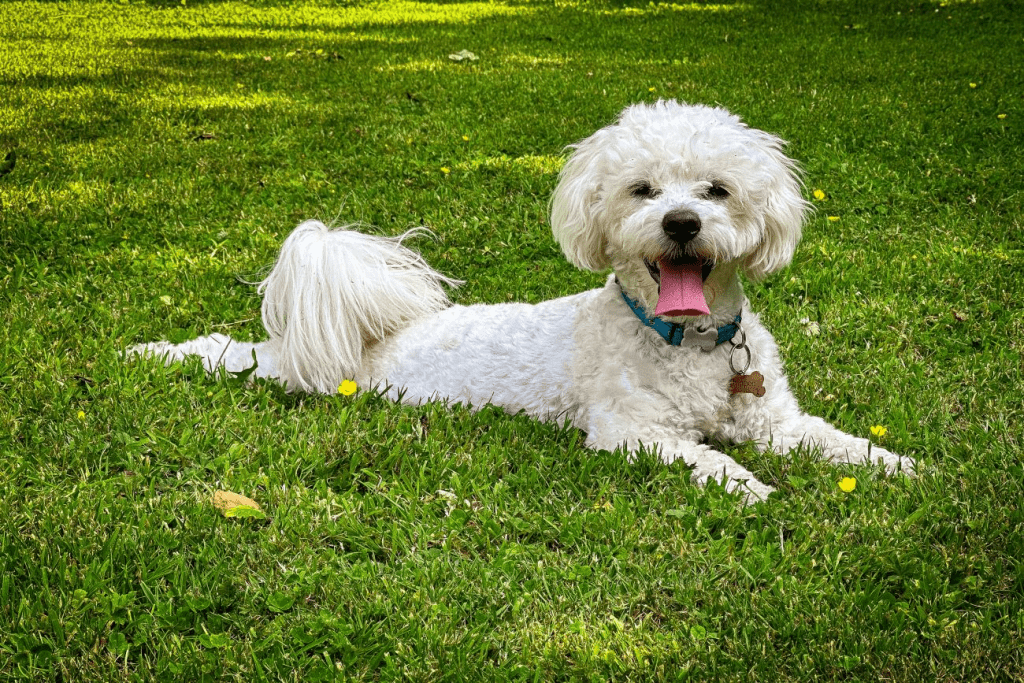
5. Bichon Frise
The Bichon Frise is the perfect first dog. They're adaptable, cheerful and sociable, which makes them an ideal companion for cosy evenings in or adventures out. They're very loyal, which can sometimes lead to a degree of separation anxiety, but they're also very receptive to training.
It's important to socialise these little sweethearts from an early age, as they can sometimes be a little timid. Even so, the vast majority will decide that every person and animal they meet is their new best friend!
A few important things to bear in mind before you make your decision:
- Grooming: The Bichon Frise's fluffy white coat is almost entirely hypoallergenic, which means that although they do shed, the hairs catch in the undercoat. Brushing them at least once a week is recommended for their own comfort and, as with other breeds, regular nail trimming is recommended too.
- Size: This is a small, practical breed, standing around 25-30 cm tall. They usually weigh around 5-9 kg.
- Temperament and energy: These little furry companions are very cheerful! They're adaptable and easy-going, and they don't need a great deal of exercise to stay healthy.
- Lifespan: Their average lifespan is between 14 and 15 years.
Health problems:
Unfortunately, like any pedigree breed, the Bichon Frise is predisposed to genetic conditions and inherited health problems. Bear in mind that the following can develop:
- Hip dysplasia
- Luxating patella (the kneecap slips out of place)
- Dental disease
- Diabetes
- Liver shunt
Final thoughts
As a first-time owner, it's important to think hard about what you want from your pet and what you're able to give them. Remember that this is an enormous commitment, so do your research first.
Although choosing a pedigree breed has its benefits, mixed breeds shouldn't be underestimated either. On that note, you could even adopt a pet from a shelter, giving them the home and love they need!
ADOPT A PETFrequently asked questions
Which dog breed is the easiest to keep?There are plenty of easy dog breeds for first-time owners. Some of the easiest dogs to keep are Dachshunds, Poodles, Chihuahuas and Greyhounds.
Which dog breed is the easiest to train?Some breeds are far more inclined to training than others. The Border Collie, for example, is a very easy breed to train, and they're incredibly intelligent, which means they can pick up new tricks and behaviours quickly.
Which dog breed has the fewest genetic problems?A dog's breed can determine the health problems they're likely to face over their lifetime. Pedigree dogs can inherit many genetic conditions. While mixed-breed dogs will always be healthier, the Chihuahua generally has the fewest health problems compared with other pedigree breeds.