


3 signs your dog is bored + easy ways to help

Boredom in dogs is more common than you might think. Even the happiest, best cared-for pets can become restless when their daily routine doesn't offer enough physical and mental stimulation. The good news is that the signs of boredom are usually easy to spot – and even easier to fix with a few small changes.
In this article we'll look at 3 of the most common signs of boredom in dogs and give you practical, easy solutions to help your four-legged friend feel calmer and happier.
Sign No. 1: Destructive chewing or digging
If your dog suddenly starts chewing furniture, shoes, or digging holes in the garden, boredom is often the cause. Dogs get to know the world through their mouths, and when they don't have enough to do, this natural behaviour can turn into a problem.
Why it happens:
Bored dogs often have excess energy with nowhere to go. Chewing and digging become a way of releasing that pent-up tension.
Easy ways to help:
- Rotate their toys to keep their interest alive.
- Offer long-lasting, natural chew treats.
- Fit in 2–3 short training sessions a day for extra mental stimulation.
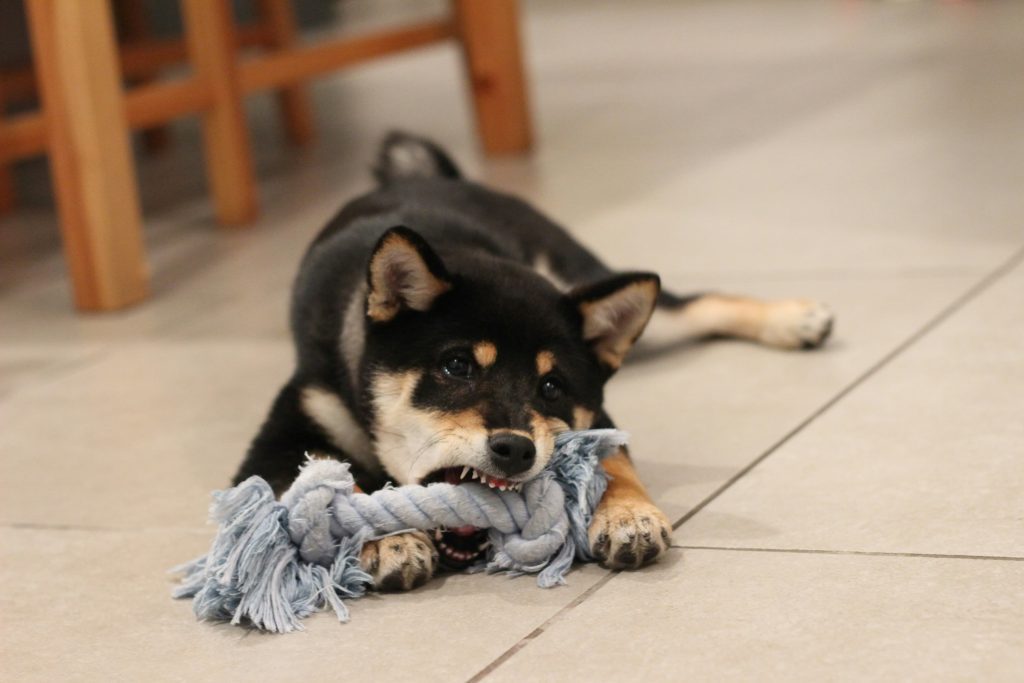
Photo: Kobi Kadosh | Unsplash
Sign No. 2: Excessive barking or attention-seeking
Does your dog bark at every noise, or keep nudging you for attention? While these behaviours are normal now and then, a sudden increase is often a sign of boredom.
Why it happens:
When dogs don't get enough mental stimulation, they find their own way to fill the time. Barking, whining or bringing you toys are classic attempts to tell you: "I'm bored – let's do something."
Easy ways to help:
- Use puzzle feeders or toys that dispense treats.
- Try scent games, such as hiding natural treats around the house.
- Add more interactive play – even a short game of tug or fetch helps.

Photo: Robert Gramner | Unsplash
Sign No. 3: Restlessness, pacing or sudden "zoomies"
Another common sign of boredom is restless behaviour – pacing around the house, struggling to settle, or sudden "zoomies" – bursts of frantic running for no obvious reason.
Why it happens:
Dogs need a balance of physical and mental activity. When one of the two is missing, they can become tense, overexcited or restless.
Easy ways to help:
- Build in daily enrichment activities, chewing sessions and short training games.
- Offer sturdier, longer-lasting chews that help them settle.
- Mix up walks – a new route or a slow "sniff walk" with plenty of sniffing can work wonders.

Photo: Casper Coomans | Unsplash
Small daily habits that help
You don't need to overhaul your whole routine to prevent boredom. Small, consistent habits make a big difference:
- Keep training sessions short and fun – even 2–3 minutes is enough.
- Combine more active games with calm activities for balance.
- Provide safe, natural treats for chewing.
- Add variety – a new toy, a new route or a new game.
Conclusion
Boredom doesn't mean your dog is "bad" or naughty – it's simply their way of showing they need more stimulation. With a few easy changes, you can help them feel calmer, more settled and happier. From long-lasting chew treats and training games to sniff walks – there's no end of ways to make their day more interesting.
Like this kind of content? Check out our Blog section! You can also follow HAPPY PET NET on social media, where we post interesting, fun pet-related content every day!
Follow HAPPY PET NET on Facebook Follow HAPPY PET NET on Instagram