

Why does my dog run off at every opportunity?
It's every dog owner's worst fear: one moment your dog is safe at home or in the garden, and the next they've vanished. Maybe they slipped through the door, or found a gap in the fence. It happens more often than you'd think.
Dogs may run off because of natural instincts. They might be running from something scary, following a scent, or chasing prey. Some dogs are simply extremely curious or have a lot of energy, which makes them more likely to bolt.
In today's article we'll look at what drives dogs to run away from us.
6 reasons dogs run away
Dogs don't run away because they don't love you. They usually find a way to escape because they want something.
1. They want to play
When dogs don't get enough physical activity, they may wander off to find some fun. Some dogs might also find a game of chase, or "keep away", exciting when you run after them.
Chasing a dog can make them keep running, because they want the game to carry on.
2. They want to avoid something
Anxious dogs may run away when they feel overstimulated or stressed. Some triggers for anxiety include new places, sounds, routines, experiences and people.
Sometimes you might not hear what your dog can hear, and unintentionally pass your own fear on to them. In that case it can look as though they're trying to run away from you, even though that's not what's going on.
3. They want to explore
Like cats, dogs are naturally curious. They may roam off to explore new sights, smells and sounds.
4. They want to hide
Loud noises such as fireworks or thunder can trigger your dog's "fight or flight" instinct and make them run away.
5. They want to hunt
Dogs with a strong prey drive may chase small animals nearby and run off after them. Some dogs may try to escape if they can jump, dig under or break through barriers to reach their prey.
6. They want comfort
New places can make dogs feel anxious or overexcited, which can cause them to run off. This is common in newly adopted dogs.
Some dogs may also try to run away in search of a familiar environment.
Are certain breeds more likely to run away?
Dog breeds with high energy, strong exploratory instincts or a strong prey drive are more likely to run away. These breeds include, but aren't limited to:
- Husky
- Beagle
- Bloodhound
- Border Collie
- Jack Russell Terrier
- Australian Shepherd
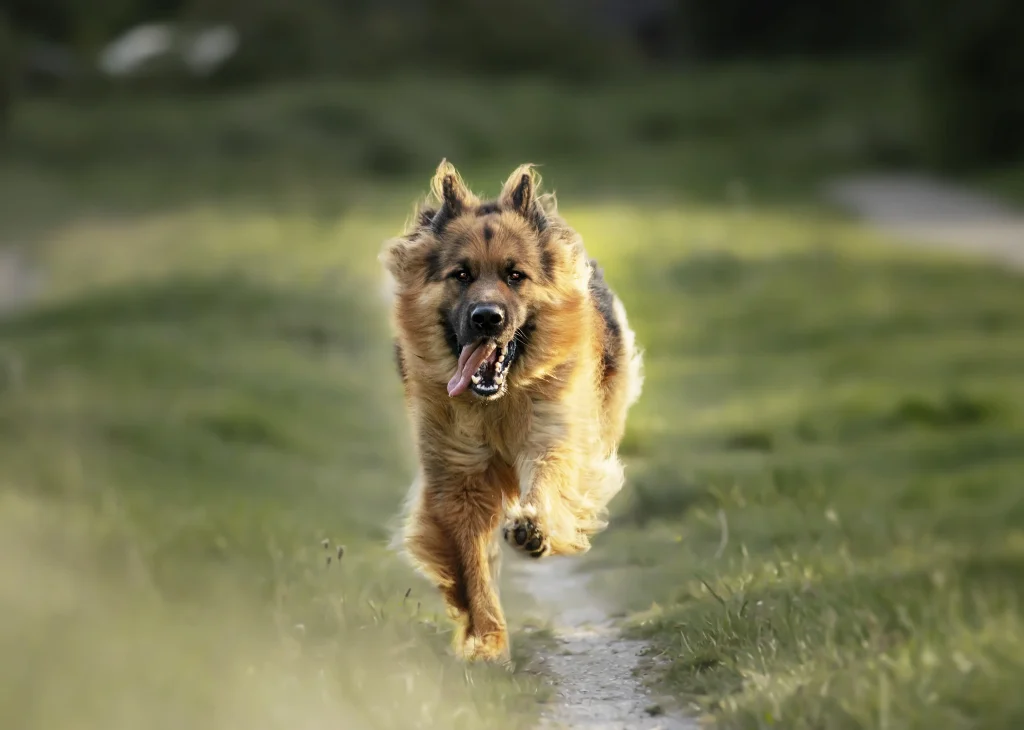
- German Shepherd
- Greyhound
- Labrador Retriever
- Dachshund
How to stop your dog running away
Even the most devoted pet owners can face this situation, but taking these proactive steps can help stop dogs from escaping easily.
Proactive ways to prevent it
- Secure your garden and fence: Make sure your fence is high enough to stop your dog jumping or climbing over it. Check regularly for gaps or weak spots over time.
- Supervise them, even when secured on a lead or in a pen: If your garden isn't secure yet, use an enclosure or a portable dog run and keep an eye on your dog.
- Neuter your dog: Neuter your dog to reduce their urge to roam in search of a mate. Studies show that neutering reduces roaming in 90% of dogs.
Training methods to reduce the urge to run away
- Give your dog treats when they pay attention to you: Think of rewarding your dog as a kind of payment. The more you "pay" them for staying close to you, the more naturally they'll want to stick around.
- Practise recall regularly while your dog is on a lead: Practise recall commands to strengthen your dog's response while they're on a lead. This can help when they're on a long line in the garden.
- Work with a trainer: A professional dog trainer can help you manage behaviour that increases the risk of running away, teach you recall, and give you advice on creating a safe, enriching environment.
Like this kind of content? Check out our Blog section! You can also follow HAPPY PET NET on social media, where we post interesting, fun pet-related content every day!
Follow HAPPY PET NET on Facebook Follow HAPPY PET NET on Instagram