

What to watch out for during the Easter holidays to keep your pets safe
As Easter approaches, it's natural to feel excited about the coming holidays, the culinary treats and the flowers coming into bloom. Amid all that excitement, though, it's important not to forget that some of the treats and decorations can pose a serious danger to our pets. Here are three important tips for keeping your pets healthy and safe over the holiday.
1. Decorative artificial grass
It's natural to want to decorate your home for the Easter holidays, but it's important to bear in mind the risk these decorations pose to your dog or cat if they mistake them for food or a toy. Decorative grass made from plastic or other materials, commonly used to fill baskets or decorate tables, can cause intestinal blockages and other digestive problems for your pet.
2. Chocolate
It's well known that chocolate is toxic to dogs, but did you know it's actually toxic to most pets, including cats and rabbits? Chocolate contains a chemical called theobromine, and unfortunately pets can't metabolise it the way we humans can. Over Easter we're sure to see plenty of chocolate and other sweet treats around the house, but it's important to make sure they're out of pets' reach. Even a small amount of chocolate can cause discomfort in the form of frequent urination and diarrhoea.
3. Other foods
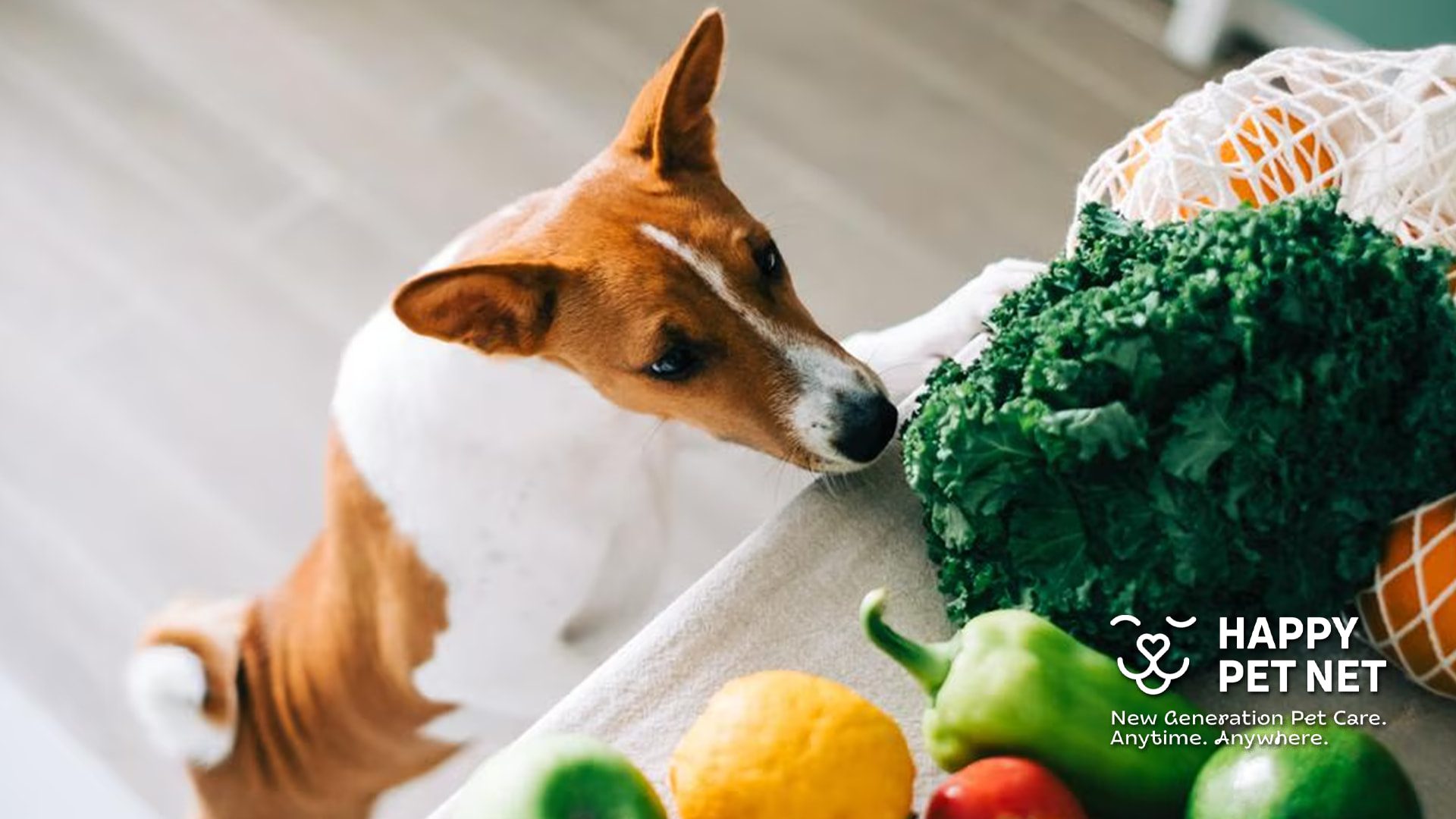
It's not only chocolate that can harm our pets. Other foods can cause serious harm too. Easter bread (kozunak), for example, is dangerous for both cats and dogs. Grapes and raisins are also toxic and should be kept well out of pets' reach. It's important to remember that food meant for people shouldn't be used as a "treat" for your dog or cat. Bread and cakes are very often packed with dried fruit, which, if eaten by a pet, can cause kidney failure — which can be fatal.
Eggs are dangerous too. Whether real, chocolate or fake plastic ones, it can be dangerous if your pet gets hold of them. Swallowing any of these can cause stomach upset in your pet, which can lead to intestinal blockage.
And if you decide to share lamb with your dog, don't forget to remove the bones first. There are cases where bones get lodged in a dog's oesophagus and can lead to very serious, life-threatening complications.
While the tips above will help reduce the risk, accidents can still happen. If you suspect your pet has eaten something mentioned in our blog, or anything else you're worried might be harmful, you should contact a vet straight away. Book an instant online consultation with a vet on happypetnet.com, so you can have peace of mind during the holidays.