

What should you feed your rabbit?
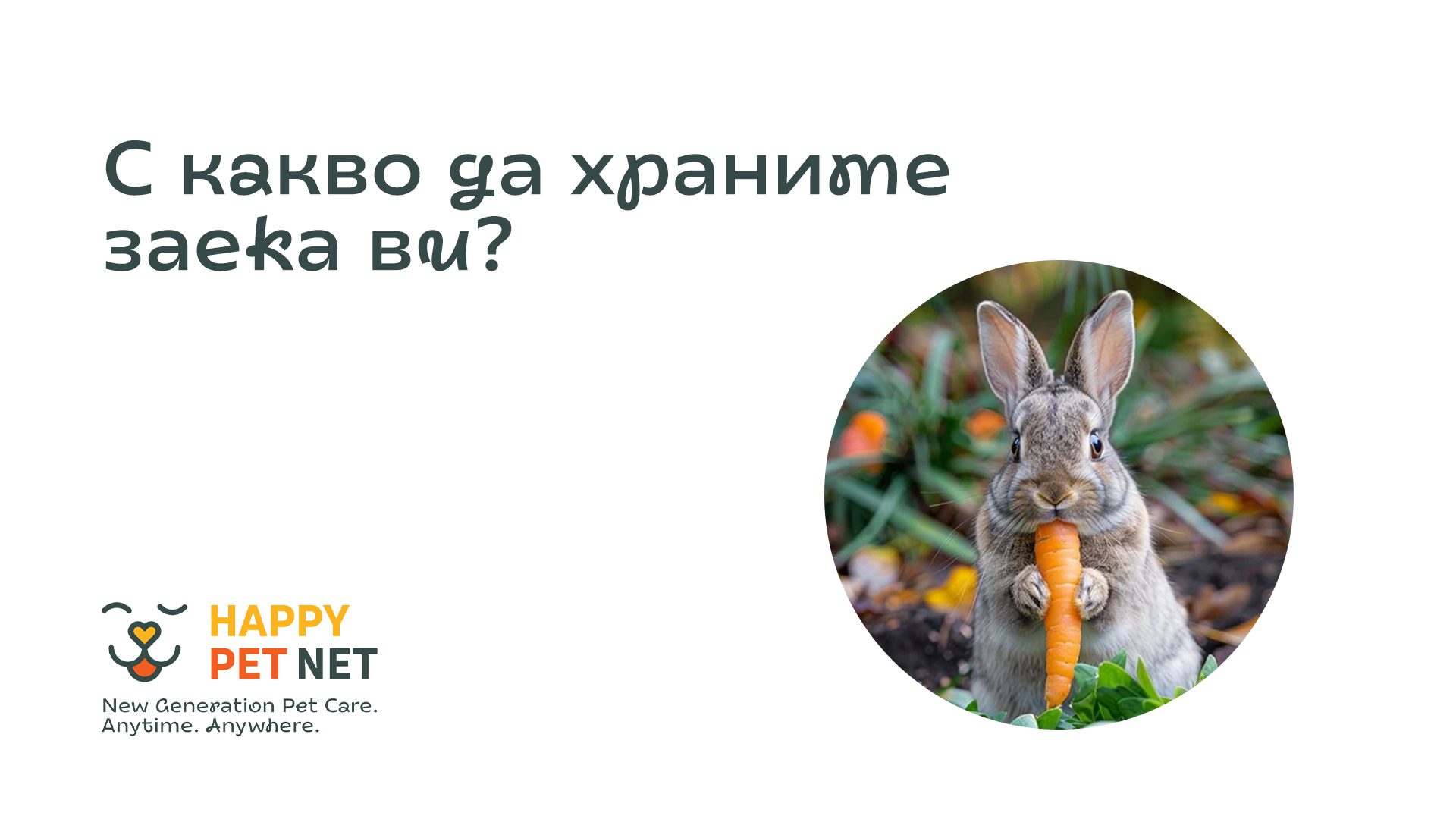
Are you planning to become the owner of a rabbit, or do you simply want to make sure you're giving your pet the best possible diet? You've come to the right place! Today we've put together a complete guide to what rabbits should eat to stay healthy and happy.
1. Give your rabbit constant access to fresh, clean water!
We recommend using a heavy ceramic water bowl rather than a drip-feed bottle, because rabbits prefer to have free and easy access to water. Make sure the bowl isn't in direct sunlight, as this can encourage bacteria to grow.
If you decide to use a bottle instead, check it every day to make sure your rabbit has constant access to water.
2. Hay and grass
Rabbits need at least one bundle of good-quality hay every day, and it's best if the bundle is roughly the same size as they are! Hay is a rabbit's main food, because it keeps their gut working properly and prevents diarrhoea.
Ideally, rabbits should also have access to growing meadow grass. It's also the cheapest way to feed your rabbit. Meadow grass matters because it gives rabbits the vitamins and minerals they need for growth and breeding.
Never feed your rabbit lawnmower clippings, as these can harm them.
3. Leafy vegetables
Give your rabbit well-washed leafy green vegetables. Ideally, their diet should include a variety of at least 5 – 6 different kinds, such as cabbage, kale, broccoli, parsley and mint.
It's important to introduce new vegetables to your rabbit's diet gradually and in small amounts. This helps you avoid any stomach upsets.
Of course, if you're worried or unsure which vegetables to feed your rabbit, we recommend booking a consultation with a vet!
4. Pellets
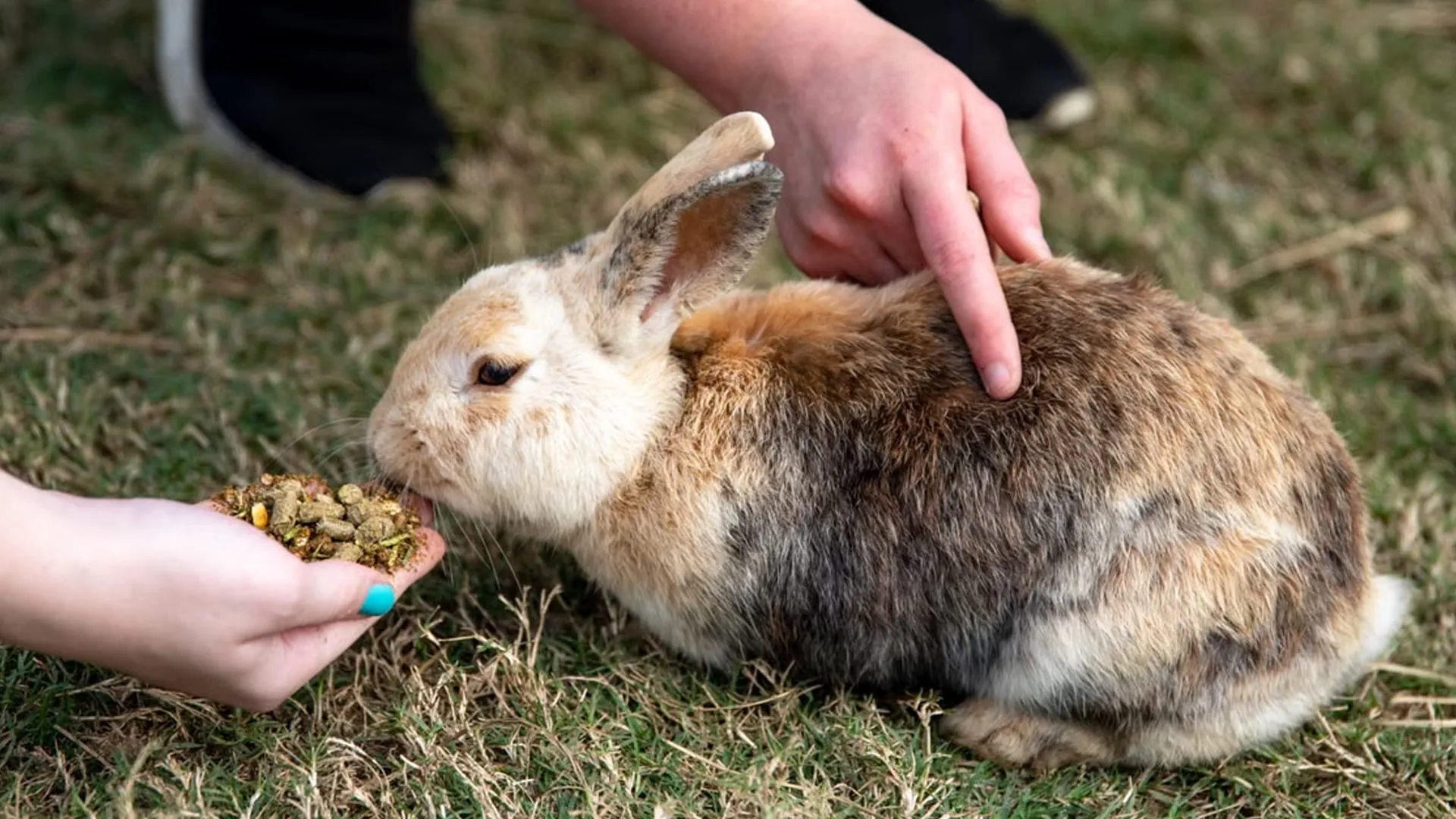
When feeding your rabbit pellets, make sure they're fresh. We advise looking for pellets that are high in fibre and low in protein. Bear in mind that as your rabbit gets older, you'll need to limit their pellet intake, as pellets can lead to obesity and other health problems. Avoid pellets that contain dried maize.
It's also important to measure out the right amount of pellets. Experts advise feeding your rabbit 25g of pellets a day for every kg of the rabbit's body weight. For example, a medium-sized rabbit weighing 3kg should have a maximum of 75g of pellets.
What to watch out for in their diet
To keep your rabbit in good health, avoid giving them treats. It isn't recommended to feed them foods that are high in carbohydrates and sugar. These include bread and pastries, cereals, any kind of biscuits and crisps. Under no circumstances should you give your rabbit chocolate, as it's extremely dangerous to them.
If you want to reward your little friend, fruit is the best option for a treat. Of course, you should only give it in tiny amounts, since fruit is high in sugar. We recommend choosing organic fruit that's free from pesticides. As with vegetables, make sure the fruit is well washed before giving it to your rabbit. Good treat options include apples, raspberries, strawberries, bananas and pineapple.
Myths about what rabbits eat
There are lots of misconceptions about what rabbits should eat, including the myths that rabbits need lots of carrots and lettuce, as well as regular shop-bought food. In fact, while carrots are a good option for a small treat, rabbits don't actually eat fruit or vegetables in the wild.
To set the record straight, we've put together 4 of the most common myths about what rabbits need to eat:
Myth 1 – Rabbits eat carrots
Reality: carrots shouldn't be a main source of food.
It isn't natural for rabbits to eat root vegetables and fruit. Carrots, like fruits high in sugar, should only ever be given in small amounts, now and then.
As we mentioned, rabbits mainly need hay and/or grass, some leafy vegetables and a small, measured amount of pellets.
Myth 2 – Hay is just bedding
Reality: hay is actually a main source of food for rabbits.
Hay isn't just bedding. Fresh, dust-free hay should be your rabbit's main source of food, and you need to make sure they have access to it at all times. Eating plenty of hay or grass helps wear down rabbits' continuously growing teeth and keeps their gut healthy.
Myth 3 – Rabbits eat lettuce
Reality: a rabbit's diet shouldn't be based on lettuce.
Rabbits shouldn't eat certain types of lettuce (such as iceberg, for example), as it contains lactucarium, which can be harmful when consumed in large amounts. Some lettuces are "worse" than others – the paler varieties are high in water and have very low nutritional value, so they aren't recommended.
You can feed your rabbit darker, leafier, fibrous varieties (e.g. romaine lettuce), as they're higher in fibre and actual nutrients. Introduce lettuce gradually into your rabbit's diet, as large amounts of lettuce can cause stomach upsets in rabbits that aren't used to it.
Myth 4 – Rabbits should mainly eat shop-bought rabbit food
Reality: eating too much shop-bought rabbit food can lead to weight gain and disrupt your rabbit's natural eating habits.
You can feed your rabbit a small, measured amount of pellets or nuggets every day to make sure they get all the vitamins and minerals they need. Don't feed rabbits foods like muesli, as these cause dental and stomach problems.
Rabbits eat quickly if you give them pre-packaged rabbit food, which means they've got nothing left to do and can get bored. Remember that hay and grass are far more important and should make up the bulk of your rabbit's diet.
Thinking of getting a rabbit? We recommend adopting a rabbit from our "Shelter" section! Adopting a rabbit from a shelter doesn't just save them - it also helps all the shelter's volunteers who look after them!
Preview