

Don't kiss your pet: risks and safety tips
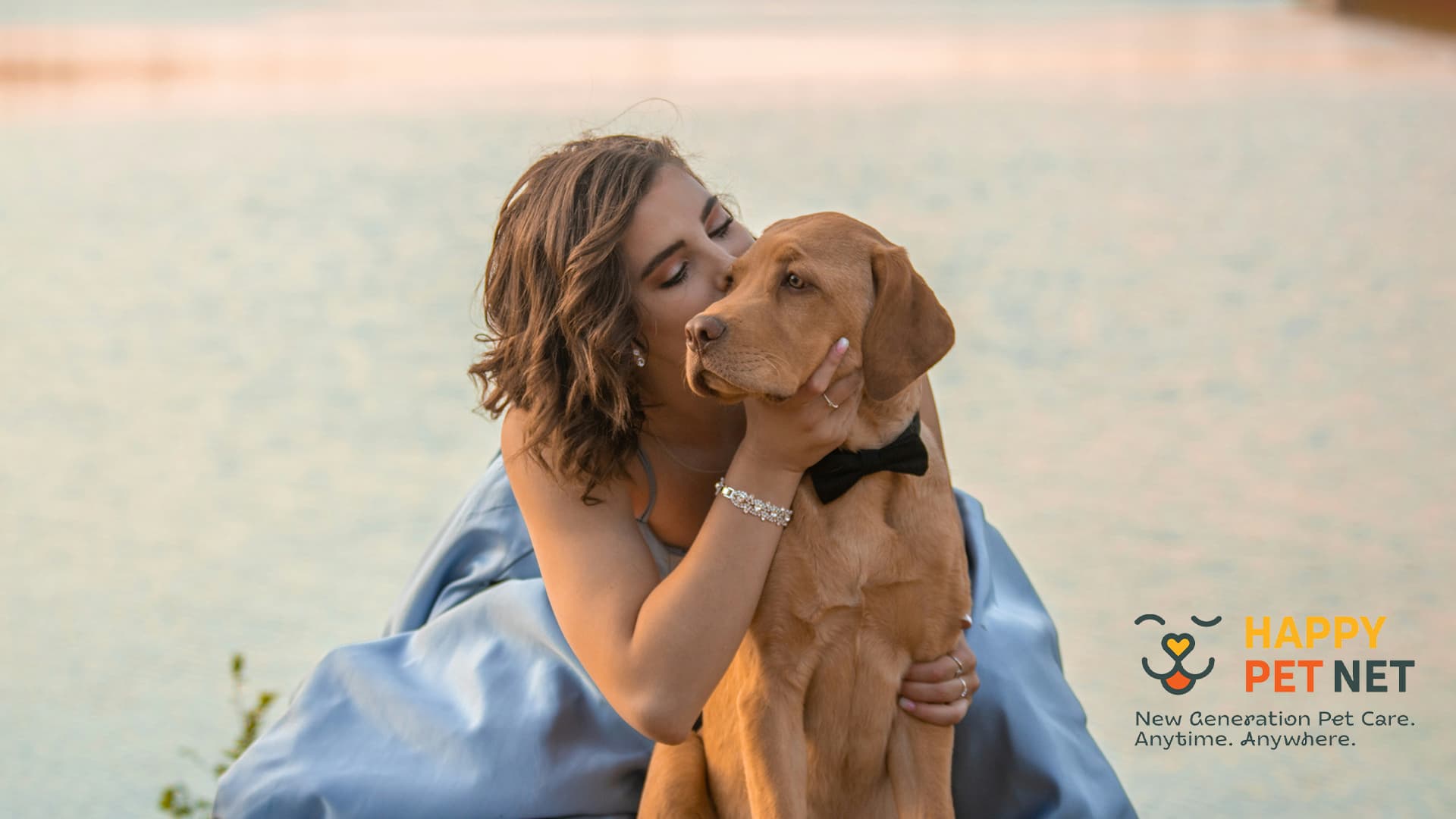
Pets are part of the family – they give us love, loyalty and comfort. But however strong the bond between a person and an animal, there are moments when too much closeness can put your health at risk. One of the most common examples is kissing pets – a habit many owners see as an expression of love, but one that can carry serious dangers.
Animal oral hygiene isn't the same as ours
Although they look clean and it can feel as though animals "kiss" us out of love, their mouths are home to thousands of bacteria. According to veterinary experts, the saliva of dogs and cats can contain bacteria such as Salmonella, Pasteurella and Bartonella, which pass to people through contact with saliva or tiny breaks in the skin.
These microorganisms can cause gastrointestinal upset, skin infections and even more serious illness in people with weakened immune systems, the elderly or young children.
Read more: How to bathe your cat properly
It's important to understand that the myth of "a dog's mouth is cleaner" isn't true. Yes, animals have a different oral microflora, but that doesn't make it safer – it simply means their bacteria don't harm them the way they can harm a person.
The risks of kissing dogs and cats
Besides bacteria, parasites can also be found in animals' mouths and saliva – such as roundworms, hookworms or Giardia. These parasites can enter the human body through contact with mucous membranes (mouth, nose, eyes) and cause illnesses such as toxocariasis or giardiasis.
Another risk is allergic reactions – in some people, direct contact with an animal's saliva can cause redness, itching or a rash.
Particular care should be taken with children, as they're often more inclined to hug and kiss their pets. Their immune system isn't yet fully developed, which makes them more susceptible to infection.
How to show love without risking your health
Loving your pet doesn't necessarily mean mouth-to-mouth physical contact. Here are a few safe ways to show affection and care:
- Stroke them often – this is the most natural and safest way to be close.
- Keep up regular hygiene – bathing, brushing their teeth and cleaning their paws after a walk reduce the risk of germs.
- Wash your hands after every time you touch the animal, especially before eating.
- Visit the vet regularly – preventive check-ups and worming are the surest way to prevent illness. You can book a check-up or worming appointment in no time, entirely online through HAPPY PET NET!
What about other pets?
Although dogs and cats are the most common "culprits", other pets can also be a source of zoonoses (diseases passed from animals to humans).
- Rodents such as hamsters or guinea pigs can carry bacteria such as Leptospira and the Lymphocytic choriomeningitis virus.
- Birds can carry Chlamydia psittaci, which causes psittacosis, a disease affecting the respiratory system.
- Reptiles such as tortoises, snakes or iguanas often carry Salmonella, which is passed on through contact or cleaning terrariums without protective equipment.
You might also be interested in: A guide to proper rabbit care
Even animals that look perfectly healthy can carry these microorganisms. So always wash your hands after contact and avoid close contact with your face.
Conclusion
Love for our pets is one of the purest feelings a person can experience. But like any relationship, it calls for a balance between affection and looking after your health.
Kisses aren't necessary to show how much you love your pet – giving them your time, attention and care is enough.
Be a responsible owner – not only by loving your animal, but by making sure you don't put yourself or them at risk. That way, you'll be able to enjoy long, healthy and happy years together.
Do you enjoy this kind of content? Check out our Blog section! You can also follow HAPPY PET NET on social media, where we post interesting and fun pet-related content every day!
Follow HAPPY PET NET on Facebook Follow HAPPY PET NET on Instagram