

How long do rabbits live? A guide to proper rabbit care!

Rabbits may be small, but they take up an enormous amount of space in animal lovers' hearts. Rabbits have a particular kind of magic that turns a house into a home, whether they're dozing beside you, hopping around the room, or gently nudging your hand for attention.
But for many new (and even experienced) rabbit owners, one question keeps coming up: "How long do rabbits live?"
Knowing what to expect helps you care for them better, bond more deeply, and prepare for a lifetime together (however long that turns out to be).
In today's article we'll explore the lifespan of pet rabbits. From breed differences and life stages to the everyday choices that can add years to your rabbit's life, we've gathered everything you need to know to keep your fluffy friend hopping happily for as long as possible.
How long do rabbits live?
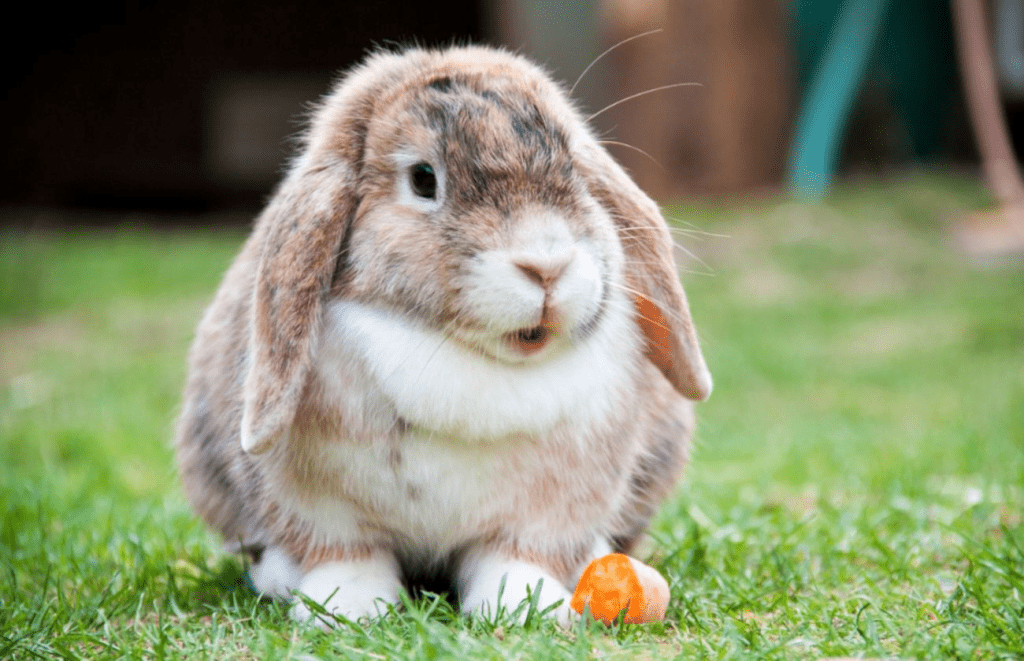
The average lifespan of a pet rabbit is between 8 and 12 years, although some can live even longer with the right care. In fact, some small breeds, such as the Netherland Dwarf, are known to reach 13 or even 14 years with exceptional care. Larger breeds, such as the Flemish Giant, on the other hand, tend to have a somewhat shorter lifespan, typically around 5 to 8 years.
By contrast, wild rabbits live far shorter lives, usually only 1 to 2 years, because of predators, disease, harsh weather and a lack of medical care. So while size and breed matter, domestication itself is one of the most important factors in a longer life.
With the right home, good food and regular veterinary care, a pet rabbit can live as long as many cats or small dogs.
So when someone asks, "How long do rabbits live?" the most accurate answer is: it depends – but with love and the right care, your rabbit could be by your side for more than a decade!
What affects a rabbit's lifespan?
Rabbits are unique in their own right, so their lifespan depends on a combination of genetics, lifestyle, care and environment. Luck plays a part, but there are clear patterns in what helps rabbits live longer, healthier lives. Let's look at the main ones.
1. Breed and genetics
Some breeds are simply built for longevity. Smaller rabbits such as the Mini Rex or the Netherland Dwarf tend to live longer than larger breeds such as the Flemish Giant. Genetics also affects sensitivity to health problems, particularly dental disease and heart problems.
Fun fact: The oldest recorded rabbit in the world, Mick, lived to the age of 16, and was a dwarf breed!
2. Home and living conditions
Indoor rabbits typically live several years longer than those kept outdoors. Indoors, they're protected from predators, extreme temperatures, parasites and disease.
Housing plays a huge role in their longevity: rabbits need safe, spacious enclosures that let them move around freely, regular cleaning to prevent illness, and plenty of room to hop, explore and stretch their legs. A stimulating, clean and secure environment can significantly boost not only a rabbit's lifespan but also their everyday happiness.
3. Diet and nutrition
A healthy gut means a longer life. Rabbits need a high-fibre diet built around unlimited hay, fresh leafy greens and a limited amount of pellets.
Common mistakes that shorten a rabbit's life?
- Too many sugary fruits or starchy treats
- Not enough hay (which leads to dental and digestive problems)
- Feeding human food or unsuitable snacks
80–90% of a rabbit's diet should be hay. It keeps their teeth worn down and their digestion ticking over.
4. Prevention and healthcare
Rabbits are very good at hiding symptoms, so preventive care is key:
- Annual vet visits
- Vaccinations (such as RHDV in some countries)
- Regular dental check-ups
- Spaying or neutering
Spayed or neutered rabbits are less prone to certain types of cancer and often live years longer than those left intact. In particular, unspayed females have a very high risk of uterine cancer. Wondering what to do for your rabbit? Book an online consultation with a vet quickly, easily and conveniently through HAPPY PET NET!
BOOK AN ONLINE CONSULTATION WITH A VET5. Mental health
Loneliness can take its toll. Rabbits are social animals, and bonded pairs often live longer thanks to reduced stress and more stimulation. Enrichment such as toys, tunnels and playtime is just as important as food and water.
Bored rabbits are more prone to depression, obesity and destructive behaviour, all of which can affect their lifespan.
Common health problems to watch for
Rabbits are prey animals, which means they're incredibly good at hiding pain or illness. What looks like a sleepy rabbit could be a rabbit in trouble and in pain. That's why it's important to know the "red flags" and act quickly when something seems off.
Here are the most common rabbit health problems and what to look for:
1. Dental disease
A rabbit's teeth grow continuously – up to 12 cm a year! If they're not worn down through proper chewing (mainly of hay), dental problems can appear quickly.
Signs to watch for:
- Drooling or a wet chin
- Refusing to eat hay, eating only soft food
- Weight loss
- Teeth grinding or pawing at the face
Prevent them with unlimited hay, chew toys and regular vet check-ups.
2. GI stasis (gastrointestinal stasis)
This is a life-threatening emergency. Gastrointestinal stasis happens when the gut slows down or stops moving, often because of stress, a poor diet or an underlying illness. And once a rabbit stops eating… the clock starts ticking.
Watch for:
- Constipation
- Loss of appetite
- Lethargy or hiding
- A bloated abdomen
If you suspect gastrointestinal stasis, contact a vet immediately.
3. Respiratory infections
Sniffling may sound cute, but in rabbits it can be serious. Pasteurella and other bacteria can cause chronic nasal and lung infections.
Symptoms include:
- Sneezing or a runny nose
- Watery eyes
- Open-mouth breathing (a bad sign!)
- A head tilt or balance problems (if it spreads to the inner ear)
Keep housing clean and stress levels low to reduce the risk.
4. Uterine cancer (in unspayed females)
Up to 60% of unspayed female rabbits develop uterine adenocarcinoma by the age of 4. It often goes unnoticed until it has spread.
Spay your rabbit. The procedure dramatically reduces this risk and also prevents behavioural problems.
5. Parasites and skin problems
Rabbits can suffer from mites, fleas, ear canker and even fungal infections.
Watch for:
- Excessive scratching
- Dandruff or patchy hair loss
- Itchy ears
- Lumps or scabs
Clean housing and regular grooming can help, but see a vet for treatment.
Remember, prevention is key! If anything is worrying you, contact a qualified vet straight away!
BOOK AN ONLINE CONSULTATION WITH A VET
Final thoughts
Rabbits may not meow for their dinner or bark at the door, but they communicate in quieter, subtler ways and rely on us for everything. The choices we make about their diet, space, healthcare and daily routine shape their quality of life and lifespan.
With the right care, many pet rabbits can live well beyond 10 years, something that surprises a lot of new rabbit owners! The key lies in prevention, attentiveness and plenty of love.