

7 dog breeds that don't get on with other dogs but adore people
If you've ever wondered why some dogs seem to adore people but can't stand other dogs, you're not the only one. A few breeds have a reputation for being loyal and loving with their owners, yet not especially friendly when it comes to meeting other dogs. Whether it's down to territorial instincts or a strong protective streak, these dogs need careful handling and socialisation. Let's take a closer look at 7 breeds that tend to struggle when it comes to making furry friends.
1. Akita Inu – loyal to the very last
Akitas are exceptionally loyal, and that's part of what makes them such remarkable companions. But that same devotion can tip over into territorial behaviour when other dogs appear on the scene. The Akita Inu is particularly wary of dogs of the same sex, which can lead to conflict if they aren't properly socialised early on. If you're thinking of becoming an owner of this breed, be ready to work on socialisation from day one.
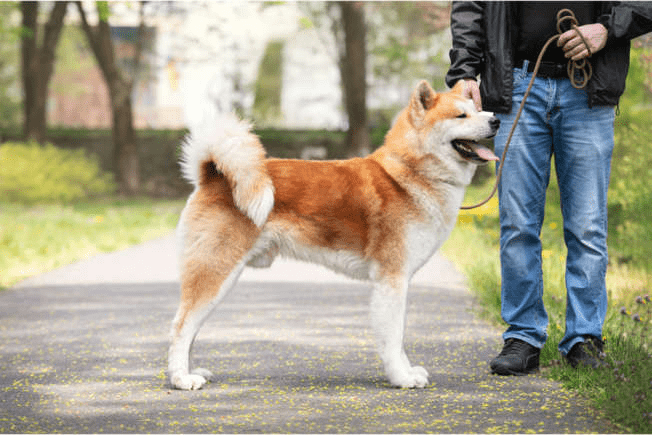
Photo: Canva Photos
2. Chihuahua – absolutely convinced they're in charge
Don't let their small size fool you – Chihuahuas can have quite the attitude. They're incredibly loyal to their owners, but they often square up to bigger dogs, or to any animal they read as a threat. That big personality can lead to snapping or barking at other dogs, so they're best suited to households where they can be the centre of attention.
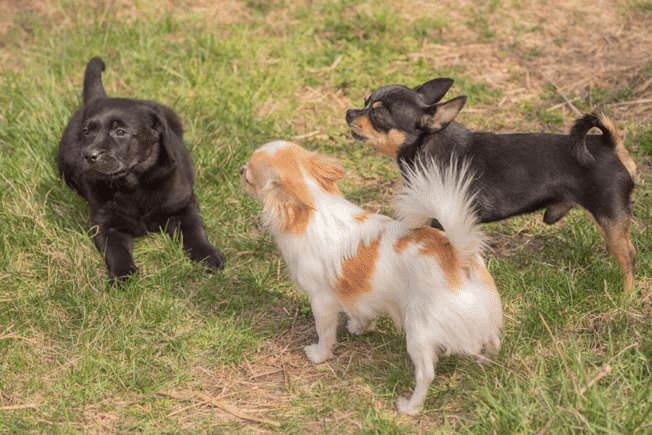
Photo: iStock
3. Husky – they can be rather dominant
Huskies are friendly and playful with people, but their pack mentality can create problems with other dogs. It's worth noting that their strong prey drive makes them less compatible with smaller animals, and dominance issues can surface when they meet other dogs. Although they're sociable on the whole, they need strong leadership and consistent training to get along well with furry friends.
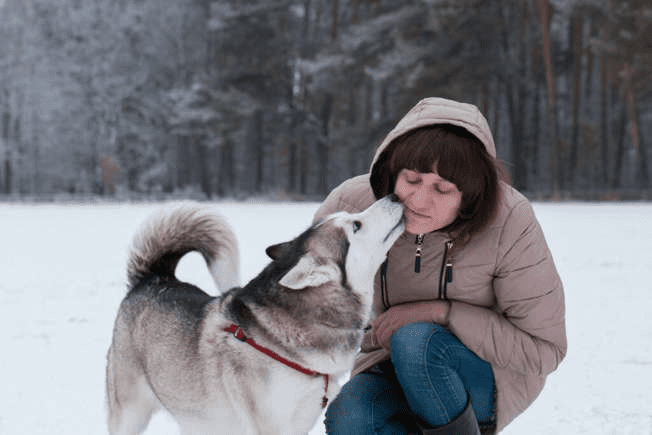
Photo: iStock
4. German Shepherd – the breed that puts family first
Known for their intelligence and loyalty, German Shepherds make wonderful pets, but their protective instincts can lead to problems with other dogs. They're quick to pick up on a threat, which in certain situations can prompt an aggressive reaction. Early and ongoing socialisation is the key to helping them live alongside other dogs.
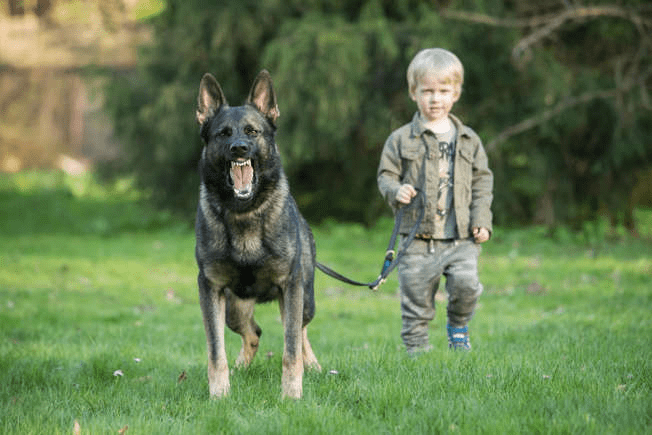
Photo: iStock
5. Rottweiler – a loving but territorial breed
Rottweilers have a reputation for being devoted to their human families, but rather less tolerant of other dogs. Their guarding instincts can turn them into defenders of their own space, and the team at HAPPY PET NET recommends addressing this through early socialisation and consistent training. With the right approach they can learn to get on with other dogs, but it takes time and effort.
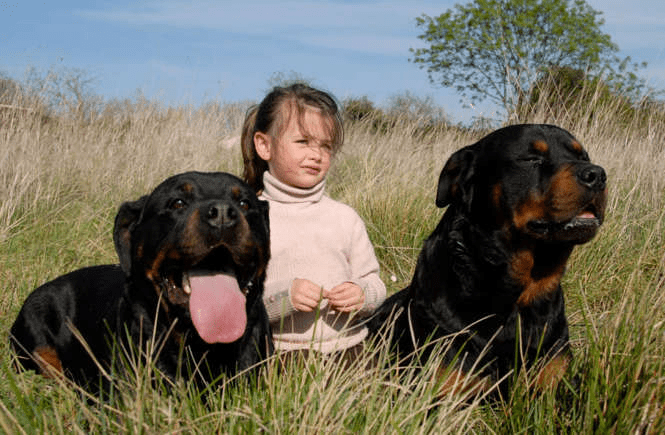
Photo: iStock
6. Cane Corso – they protect what they love
Cane Corsos are devoted to their families, but they can react very strongly to other dogs, especially if they feel their territory is under threat. Many of the vets at HAPPY PET NET stress how important socialisation and training are in managing those guarding instincts. Although they're fantastic companions for people, they need experienced owners who can handle a strong character.

Photo: iStock
7. Dachshund – no idea how small they are
Dachshunds may be small, but they often behave as though they run the world. Their loyalty to their owners can turn into aggression towards other dogs, particularly bigger ones. Their lively nature makes them better suited to families where they don't have to compete for attention.
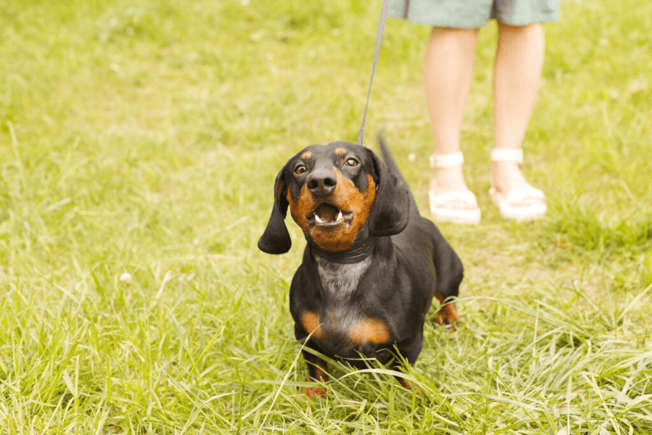
Photo: iStock
Enjoy this kind of content? Have a look through our Blog section! You can also follow HAPPY PET NET on social media, where we post fun and interesting pet content every day!
Follow HAPPY PET NET on Facebook Follow HAPPY PET NET on Instagram