


10 dog breeds prone to hip dysplasia

Sadly, hip dysplasia is one of the most common joint problems in dogs. It can be very painful, and can eventually lead to dogs becoming unwilling to take part in their favourite activities, or even to interact with their owners.
Most affected dogs are born with the condition, and because it can be genetic, some breeds are predisposed to hip dysplasia. There's no way for owners to prevent the condition. Even so, there are many steps you can take to reduce its impact on your dog's health, comfort and longevity. Prevention is one of those steps. Until 31 May you can book an appointment for Early diagnosis of hip and elbow dysplasia with Dr Kiril Georgiev and save BGN 50 off the price of the service!
BOOK A DIAGNOSTIC APPOINTMENT NOWHip dysplasia: what exactly is it?
The hip is a ball-and-socket joint. The ball, formed by the top of the dog's thigh bone, sits within a socket formed by part of the pelvis to create the hip joint. In some dogs, because of abnormal bone development or injury, the joint doesn't fit together properly. This condition is known as hip dysplasia.
The socket may not be formed correctly, or the ball of the thigh bone may not sit properly within it. This can lead to damage to the joint cartilage, osteoarthritis and, eventually, pain on movement. Despite a common misconception, dogs are usually born with hip dysplasia. What develops over time is the pain from osteoarthritis, caused by a poorly formed hip joint.
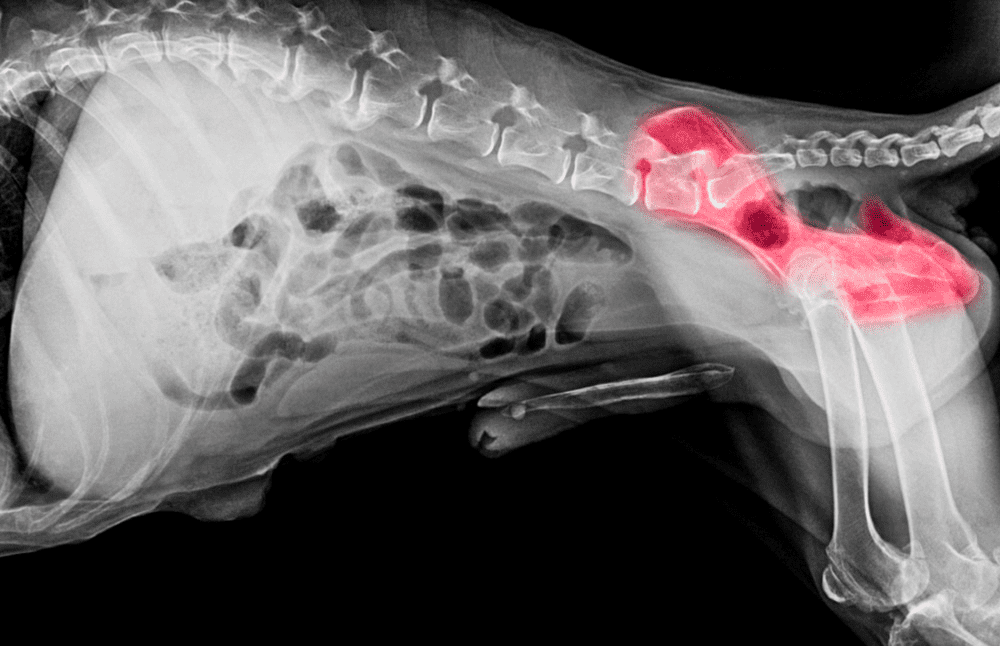
A serious injury — such as being hit by a car — can also damage the hip joint and cause hip dysplasia.
The severity of the joint abnormalities doesn't always correlate with the severity of the pain. In some dogs, pain and mobility problems from hip dysplasia can take many years to appear, while other affected dogs may show signs before they're even fully grown.
Which dog breeds are predisposed to developing hip dysplasia?
Various dog breeds are at high risk of hip dysplasia. Hip dysplasia is hereditary, meaning there's a genetic basis for both the likelihood and the severity of the condition. Here are the dog breeds that most commonly develop it.
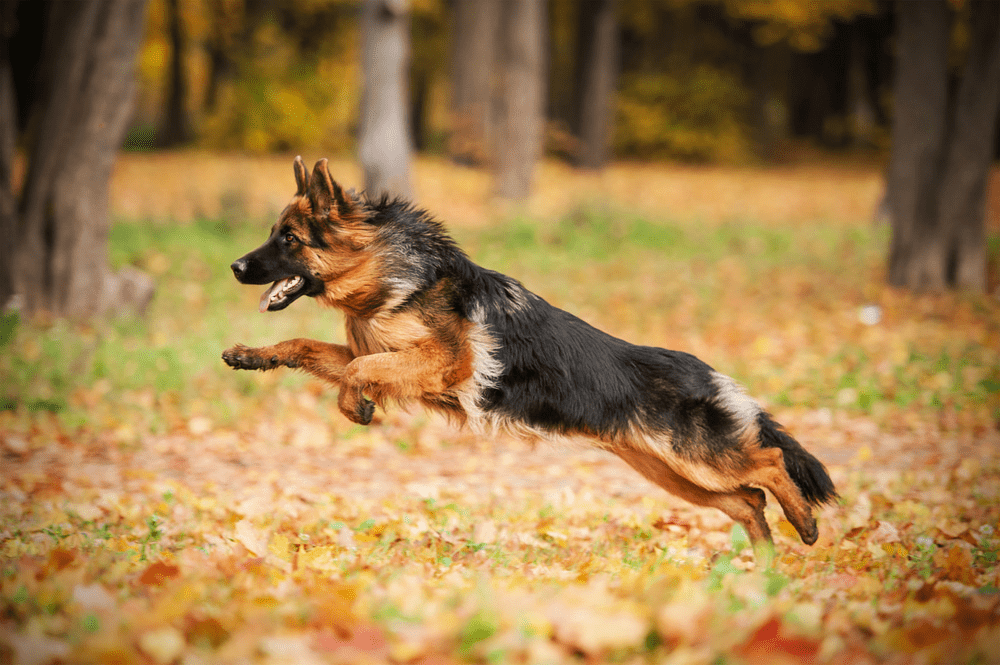
German Shepherd
German Shepherds are one of the breeds most predisposed to developing hip dysplasia, as well as to a genetic condition affecting the nerves leading to their hind legs (degenerative myelopathy). This combination of hip problems is even more reason to keep your German Shepherd at a healthy weight and well muscled, to reduce the impact of these dreadful conditions.
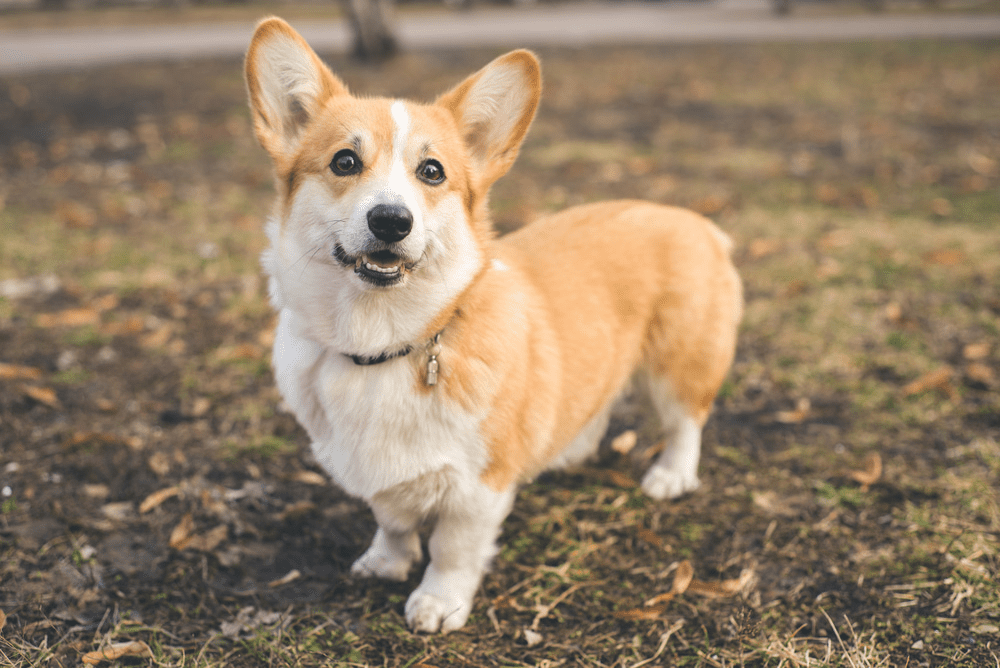
Corgi
Corgis are a chondrodysplastic breed, meaning they have an unusual body shape (a long body and short legs). This body shape puts extra strain on all the weight-bearing joints, so even mild hip dysplasia can lead to severe osteoarthritis and difficulty with normal daily activities.
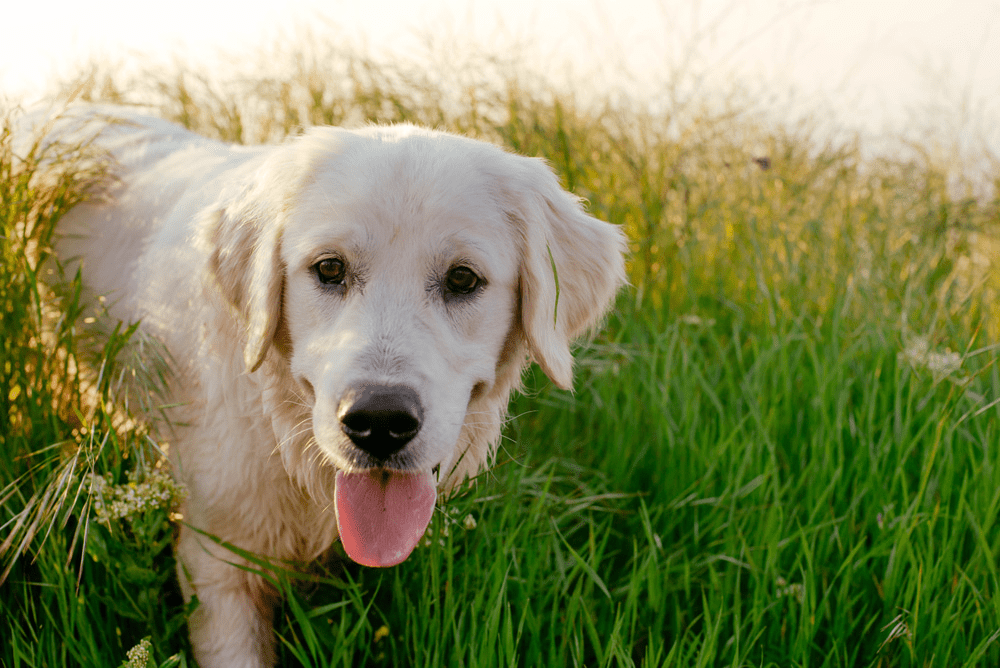
Labrador and Golden Retriever
Both Labradors and Golden Retrievers carry a strong genetic risk of developing hip dysplasia and tend to gain weight easily. Studies show that being overweight worsens the symptoms of hip dysplasia, including pain, reluctance to be physically active, and difficulty moving. Separately, a Labrador study often cited by vets found that "lean Labradors live longer" — by almost two years! Much of that difference comes down to a life-limiting loss of mobility in the heavier group.
English and French Bulldog
Brachycephalic, or flat-faced, dogs (such as the English Bulldog and French Bulldog) often have poorly fitting joints, including the elbow, knee and hip. Hip dysplasia can show up early in life, with symptoms such as limping or "bunny hopping" as the puppy grows.

Giant dog breeds
Giant dog breeds have special needs during their growth and development stages, so their bones and joints develop properly. Although they're known for becoming lazy as they get older, large-breed puppies need the right kind of exercise at the right time, along with the right nutritional balance while growing. Many giant breeds — such as the Great Dane, Saint Bernard, Bernese Mountain Dog and Mastiffs — are more prone to developing hip dysplasia and joint problems in general.

Can hip dysplasia in dogs be prevented?
Hip dysplasia can't be prevented. In most cases, affected dogs are born with poorly structured hips. That's why, if you decide to buy a puppy, you can reduce the risk by only buying puppies from quality breeders who have had their breeding dogs' joints tested. In high-risk breeds, both the male and female dog should be tested for hip conformation before breeding. Reputable breeders will be happy to share this information with you.
Rarely, an injury to the hip joint will damage the joint and cause dysplasia. These kinds of injuries are usually accidents, and although pet owners do everything they can to keep their pets safe, accidents happen.
What can you do in that case? If your dog is still young, it's essential to get an early diagnosis for dysplasia, so the problem is caught in time. Depending on your puppy's condition, an orthopaedic vet can direct you to the right treatment.
BOOK A DIAGNOSTIC APPOINTMENT NOW