

Hip dysplasia in dogs: signs, symptoms and treatment
Owners of large-breed dogs may be familiar with the term "hip dysplasia", but it can affect dogs of any size.
But what exactly is hip dysplasia, and why is it such a problem for pet owners? In today's article you'll find everything you need to know about hip dysplasia in dogs – from signs and symptoms to treatment and care.
What is hip dysplasia in dogs?
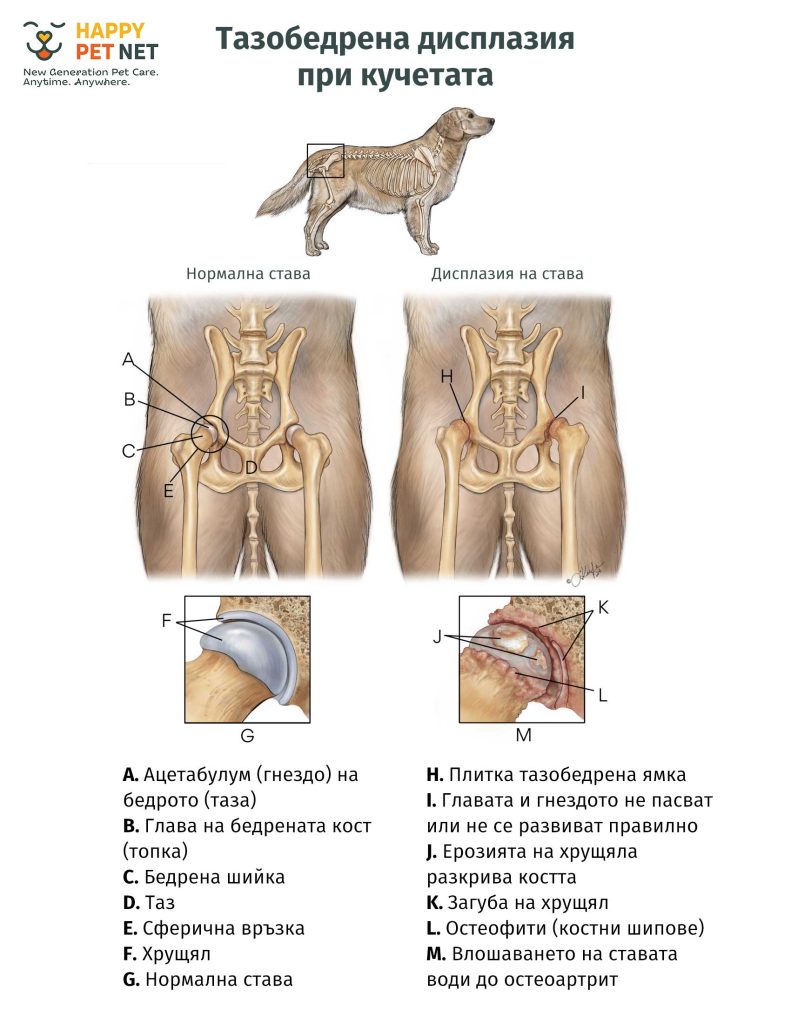
Hip dysplasia is a condition that develops during a dog's growth stage. It results in hip joints that don't fit together well and are "looser" than normal.
In its early stages, hip dysplasia may or may not be painful. But as the condition progresses, the cartilage in the hip begins to wear away. This leads to painful arthritis, bone spurs and other joint changes, muscle wasting and reduced mobility.
Hip dysplasia most commonly affects stocky, large-breed dogs, and studies have shown that it's caused by a combination of hereditary and environmental factors.
Worried about your dog? Buy a voucher for hip and elbow dysplasia diagnostics now and save 20% on the price of the service!
BUY VOUCHER!Symptoms of hip dysplasia in dogs
Some dogs start showing signs of hip dysplasia at four months old. Others develop it alongside osteoarthritis as they get older. Either way, there are several symptoms owners should be familiar with. These symptoms can vary depending on the severity of the condition, the level of inflammation, how loose the joint is, and how long the dog has had hip dysplasia.
- Reduced physical activity
- Decreased range of motion
- Difficulty or reluctance to rise, jump, run or climb stairs
- Lameness in the hind legs
- A swaying, so-called "bunny hop" gait
- A grating sound in the joint during movement
- Loss of muscle mass in the thighs
- Noticeably enlarged shoulder muscles, as they compensate for the hind end
- Pain
- Stiffness or limping
Which dog breeds are prone to hip dysplasia?
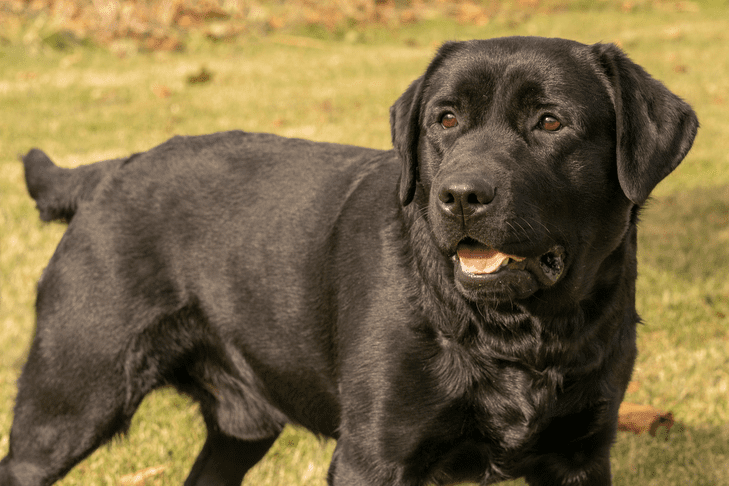
German Shepherds, Golden Retrievers and Labradors are commonly affected breeds, but all large and giant-breed dogs are at higher-than-average risk of canine hip dysplasia.
Other breeds for which hip dysplasia is a particular risk include:
- Bulldogs
- Mastiffs
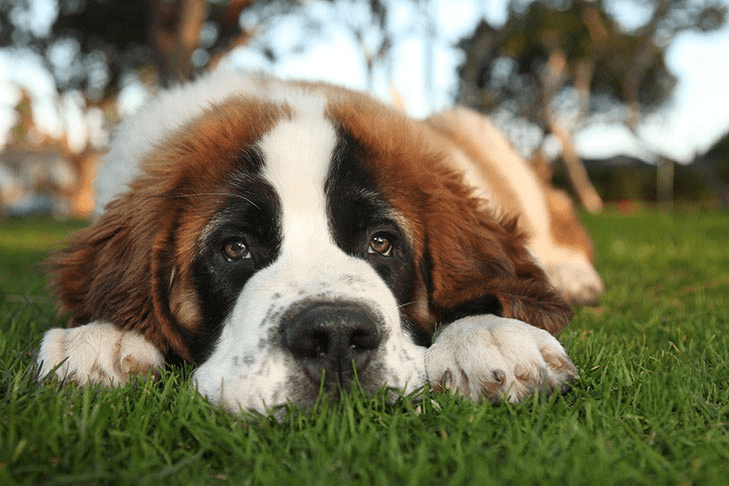
- St Bernards
- Basset Hounds
- Greyhounds
- Newfoundlands
- Pit Bulls
- Chow Chows
- Rottweilers
- Chesapeake Bay Retrievers
If you have a large or giant-breed dog, our advice is to book an appointment for early hip and elbow dysplasia diagnostics.
Diagnosing hip dysplasia in dogs
Sometimes a routine check-up is enough for your vet to suspect hip dysplasia. In other cases, owners need to let vets know when their dog is in discomfort.
One of the first things your vet may do is manipulate your dog's hind legs to check for joint looseness. They'll probably check for grating, pain or a decreased range of motion. Your dog's physical examination may include a blood count, since inflammation caused by joint disease can show up in a full blood count. Your vet will also need your dog's medical history and symptoms, any accidents or injuries that may have contributed to these symptoms, and any information you have about your dog's background.
A definitive diagnosis usually comes from radiography, or an X-ray. Your vet will X-ray your dog's hips to work out the degree and severity of the hip dysplasia. They'll help you decide on the best course of treatment for your dog.
Until the end of May, you can buy a voucher for hip and elbow dysplasia diagnostics through HAPPY PET NET and save 20% on the price of the service. The voucher is for diagnostics with Dr Kiril Georgiev, manager of Veterinary Centre VET ORTHO – Zoocentre and one of Bulgaria's leading orthopaedic specialists, specially certified in diagnosing and treating orthopaedic conditions!
LEARN MORE!Treating hip dysplasia in dogs
There are quite a few treatment options for hip dysplasia in dogs, ranging from lifestyle changes to surgery. If your dog's hip dysplasia isn't severe, or if your dog isn't a candidate for surgery for medical or financial reasons, your vet may recommend a non-surgical approach. Depending on your dog's case, there are several suitable options:
- Weight loss to take the strain off the hips
- Restricting exercise, especially on hard surfaces
- Physiotherapy
- Joint supplements
- Anti-inflammatory medication (non-steroidal anti-inflammatory drugs, corticosteroids)
- Joint fluid modifiers
If your dog is a good candidate for surgery, there are more options. Although there are quite a few different surgical strategies, the most common operations vets use to treat hip dysplasia in dogs are:
- Double or triple pelvic osteotomy (DPO/TPO)
- Femoral head osteotomy (FHO)
- Total hip replacement (THR)
DPO/TPO
DPO/TPO surgery is usually carried out on young dogs under 10 months old. In this operation, the function of the ball-and-socket joint is improved by selectively cutting the pelvic bone and rotating the segments.
FHO
FHO surgery can be carried out on young and mature dogs. The operation involves cutting off the head of the femur, or the "ball" of the hip joint. After the procedure, the body forms a "false" joint, which reduces the discomfort associated with hip dysplasia. Although FHO doesn't restore normal hip joint function, it can be a successful pain-management strategy.
THR
The most effective surgical treatment for hip dysplasia in dogs is total hip replacement. The surgeon replaces the whole joint with metal and plastic implants. This restores hip joint function to a more normal range and eliminates most of the discomfort associated with hip dysplasia.
Preventing hip dysplasia in dogs
Not all cases of hip dysplasia can be prevented. However, there are some steps you can take to reduce the risk of your dog developing this condition. Dr Kiril Georgiev advises starting check-ups as early as your dog's first few months.
BOOK AN ONLINE CHECK-UP AND SAVE 20%Feeding your dog a suitable diet will give them a head start in developing healthy bones and joints, and will help prevent the excessive growth that leads to the condition.
As your dog grows, providing appropriate exercise levels and a healthy dog diet will help prevent obesity, which is a major factor contributing to hip dysplasia. Obesity also causes many other health problems in dogs, so avoid table scraps and fatty foods.
As a future owner of a new dog, do your research on the breed you've chosen.