

Improving your dog's internal organ health through diet therapy
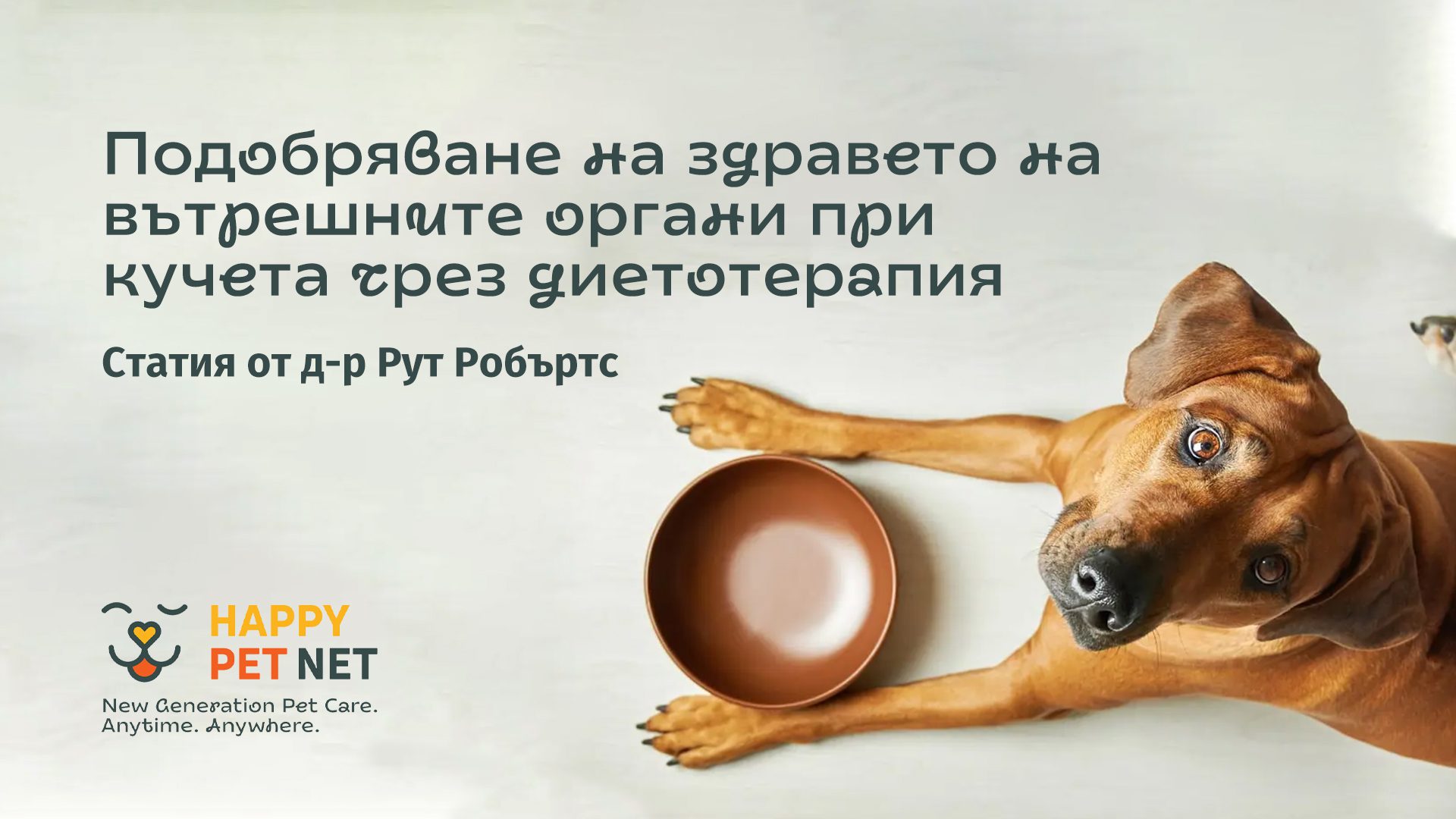
Looking after the health of your dog's internal organs is critical to their overall wellbeing and longevity. These vital organs carry out essential functions that keep your dog healthy and active. One of the most effective ways to support the internal organs is through proper nutrition, and specifically diet therapy. In this article we look at how diet therapy can improve the functioning of a dog's internal organs, including the liver, kidneys, heart and digestive system as a whole.
Why it's important to optimise your dog's internal organ health
Looking after the health of your dog's internal organs is critical to their overall wellbeing and longevity. Every organ plays a vital role in keeping your dog healthy, and optimising how they function can significantly improve your dog's quality of life. Here are the main reasons why optimising internal organ health matters so much:
1. Longevity and quality of life: Healthy internal organs are essential for a longer, happier life. When these organs are functioning optimally, your dog is far less likely to suffer from chronic conditions that could shorten their life or reduce its quality.
2. Preventing disease: Proper nutrition and care can help prevent conditions that affect vital organs. Balanced feeding, for example, can help prevent kidney, liver and heart disease, reducing the risk of serious health problems.
3. A full life: Like people, dogs need their organs to function well in order to carry out their everyday activities. Healthy organs give your dog the energy and vitality to run, play and enjoy life to the full.
4. Overall wellbeing: A dog with healthy internal organs generally feels better and has a more positive temperament. They will have a better appetite, more energy and a healthier coat and skin, all of which point to overall wellbeing.
5. Preventing secondary health problems: When internal organs aren't functioning properly, this can lead to secondary health problems. For example, kidney dysfunction can cause hypertension, while liver problems can lead to a build-up of toxins in the body. Maintaining organ health helps prevent these dangerous complications.
6. Efficient metabolism and waste removal: Internal organs such as the liver and kidneys are responsible for metabolising nutrients and removing waste products from the body. Optimising their health ensures these processes run smoothly, preventing the build-up of toxins and other metabolic problems.
7. A strong immune system: Healthy organs, particularly the liver and kidneys, play an important role in supporting the immune system. A well-functioning immune system is essential for protecting your dog from infection and disease.
By focusing on diet therapy and including a variety of nutrient-rich foods in your dog's diet, you can support the effective functioning of their internal organs. Always consult your vet before making significant changes to your dog's diet, to make sure their specific needs are met.
How the right foods can influence a dog's internal organ health
Optimising your dog's internal organ health through the right foods is a proactive approach that can significantly improve their overall wellbeing and longevity. Here's how the right diet can benefit the health of your dog's internal organs:
Liver
Detoxification: The liver detoxifies harmful substances in the body. Foods rich in antioxidants, such as blueberries and spinach, help neutralise toxins and support the liver's detoxification processes.
Managing protein: High-quality, easily digestible protein reduces the strain on the liver, which benefits dogs with liver conditions. Lean meats and fish are excellent sources.
Essential nutrients: Adding essential nutrients such as B vitamins and digestible starches to the diet supports liver function and regeneration.
Kidneys
Reduced protein intake: A lower-protein diet helps minimise the production of nitrogenous waste that the kidneys have to filter. This reduces the strain on the kidneys and helps manage kidney disease.
Controlling phosphorus and sodium: Reducing phosphorus and sodium intake prevents further kidney damage and helps maintain electrolyte balance. Foods such as fish oil, flaxseed and low-phosphorus vegetables like cabbage and cauliflower are helpful.
Hydration: Adequate hydration is critical for kidney function, so it's important to include moisture-rich foods and provide constant access to fresh water.
Heart
Omega-3 fatty acids: Foods high in omega-3 fatty acids, such as salmon and tuna, help reduce inflammation and support heart health.
Taurine and potassium: Taurine and potassium are vital for proper heart function. Including taurine-rich foods, such as lean meat, and potassium-rich foods, such as sweet potatoes and bananas, can support cardiovascular health.
Low sodium and saturated fat: A diet low in sodium and saturated fat helps maintain healthy blood pressure and reduces the risk of heart disease.
Digestive system
Fibre and probiotics: Fibre-rich foods such as pumpkin and sweet potatoes support digestion and prevent constipation. Probiotics from live-culture yoghurt encourage a healthy gut microbiome.
Hypoallergenic protein: Hypoallergenic protein and easily digestible foods minimise the risk of gastrointestinal upset and food allergies. Foods such as turkey and rice are often a good choice.
Omega-3 and omega-6 fatty acids: These fatty acids help reduce inflammation in the digestive tract and support overall gut health.
Respiratory system
Antioxidant vitamins: Foods rich in vitamins A, C and E, such as blueberries and broccoli, help reduce oxidative stress and support proper respiratory function.
Expectorant foods: Natural expectorant foods such as honey can soothe the airways and help clear mucus.
By carefully choosing the right foods and including them in your dog's diet, you can significantly support the health and function of their internal organs.
Why diet therapy matters for your dog's health
Diet therapy, also known as nutritional therapy, involves using specific dietary interventions to support various health conditions. It is a core part of holistic health care, emphasising the role of proper nutrition as a means of promoting overall wellbeing and supporting the management of disease. This approach applies not only to humans but also to animals, including our beloved pets.
A study by Qunli Wu and Xiaochun Liang explains how diet therapy in traditional Chinese medicine (TCM) aims to maintain balanced nutrition and achieve Yin-Yang balance through dietary interventions. Diet therapy is built on the principle that food can act as medicine, supporting health, preventing disease, easing illness and slowing ageing.
Another study, by Sahoo & Singh (2006), looks at the significant role of therapeutic diets in the clinical nutrition of pets, highlighting how dietary interventions can effectively support pets suffering from various conditions. Therapeutic diets are specifically designed to provide personalised nutritional support for clinically ill pets, to help animals during recovery, and to help prevent clinical disease from occurring in the first place. These specialised diets play a crucial role in maintaining animals' overall health and function, providing the balanced nutrition needed to avoid nutrient deficiency or toxicity.
Nutritional deficiencies can have serious consequences, as they can worsen infections and impair the immune system, leading to more severe illness and higher medical costs. Proper nutrition is fundamental to replenishing tissue reserves, improving immune function and supporting a dog's recovery from various illnesses. This is especially important for pets with chronic conditions or those recovering from surgery or illness, as their nutritional needs may be higher or more specific than those of healthy animals.
It has been found that, by providing the right balance of nutrients, therapeutic diets can help manage and even slow the progression of disease. They can improve pets' quality of life, reduce the need for medication and lower veterinary costs in the long run. The use of therapeutic diets in veterinary care highlights the importance of nutrition in the overall treatment and management of pet health, reinforcing the idea that food really can act as medicine.
Supporting your dog's internal organ health through diet therapy
Diet therapy in dogs involves using specific dietary interventions to maintain and optimise internal organ health by harnessing the therapeutic properties of food. The core components of diet therapy for dogs include a thorough assessment of the dog's health status, eating habits and nutritional needs. Working out the right requirements may call for a consultation with a vet and diagnostic tests. Based on this assessment, a personalised diet plan is drawn up, including specific foods and nutrients that match the dog's health status and promote their overall wellbeing.
Putting this diet into practice means fitting a new feeding plan into your dog's daily routine, often with guidance from vets or animal nutrition specialists. Regular monitoring and adjustment are essential to make sure the diet stays effective and meets the dog's changing health needs, ensuring a balanced nutrient intake to avoid deficiency or toxicity and to maintain optimal organ function and overall health.
Here are the key feeding recommendations that support the health of your dog's cardiovascular system, respiratory system, liver, kidneys and gastrointestinal tract, keeping them active and healthy for years to come:
- For a healthy cardiovascular system: The diet should be low in sodium and saturated fat and include added potassium, B vitamins and taurine.
Recommended foods: Meat (beef, chicken), fish (tuna, salmon), fruit (blueberries, strawberries), leafy greens (kale, spinach) - For a healthy respiratory system: The diet should be tasty and balanced, with added antioxidant vitamins and expectorant foods.
Recommended foods: Blueberries, pumpkin, broccoli, honey - For a healthy liver: The diet should be low in fat, contain high-biological-value protein, and include digestible starch, added enzymes and B vitamins.
Recommended foods: Blueberries, spinach, lean meat (chicken, turkey), fish (salmon, sardines). - For a healthy gastrointestinal tract: The diet should be easily digestible, low in fibre and lactose, and include hypoallergenic protein, medium-chain triglycerides, omega-3 and omega-6 fatty acids and probiotics.
Recommended foods: Pumpkin, sweet potatoes, live-culture yoghurt, oats - For healthy kidneys: The diet should be low in protein, phosphorus and sodium, and include non-protein calorie sources and added water-soluble vitamins to support kidney function and reduce the strain on them.
Recommended foods: Fish oil, flaxseed, low-phosphorus vegetables (cabbage, cauliflower), fresh water (to ensure hydration).
Diet therapy at home
Diet therapy can be applied effectively at home, by preparing meals tailored to your dog's specific health needs using high-quality, fresh ingredients. Home diet therapy allows owners to have full control over what goes into their dog's food, making sure it meets all nutritional requirements without unnecessary additives or preservatives. By including a variety of nutrient-rich foods, such as lean meat, fresh vegetables and wholegrains, owners can put together balanced meals that support optimal function of their dog's internal organs. Recipes can be tailored based on a vet's recommendations to address specific health issues, such as liver disease, kidney disease, heart disease or digestive problems.
Conclusion
Optimising your dog's internal organ health through the right food choices is a proactive and effective way to safeguard their overall wellbeing and longevity. By focusing on diet therapy and including nutrient-rich foods geared towards supporting the liver, kidneys, heart, digestive system and airways, you can significantly improve your dog's quality of life. Always consult your vet to develop a personalised diet plan that meets your dog's specific health needs, and to monitor their progress regularly. A well-balanced diet not only supports optimal organ function but also plays a crucial role in preventing disease, aiding recovery and supporting overall vitality — proof that food really can act as medicine.
References
Daina S, Macri A. The benefits of unconventional (homemade) food administered to dogs with digestive disorders. Lucr Stiint Ser Med Vet. 2023;66(2).
Hall JA, Fritsch DA, Yerramilli M, Obare E, Yerramilli M, Jewell DE. A longitudinal study on the acceptance and effects of a therapeutic renal food in pet dogs with IRIS-stage 1 chronic kidney disease. J Anim Physiol Anim Nutr (Berl). 2018;102(1):297-307. doi:10.1111/jpn.12735.
Mchiza ZJ. Diet Therapy and Public Health. Int J Environ Res Public Health. 2022;19(14):8312. Published 2022 Jul 7. doi:10.3390/ijerph19148312
Richter G. The Ultimate Pet Health Guide: Breakthrough Nutrition and Integrative Care for Dogs and Cats. Hay House, Inc.; 2017.
Wu Q, Liang X. Food Therapy and Medical Diet Therapy of Traditional Chinese Medicine. Clin Nutr Exp. 2018;18. doi:10.1016/j.yclnex.2018.01.001.
Sahoo A. Therapeutic Diets in Clinical and Pet Nutrition. Published online November 3, 2006.
About the author:

Dr Ruth Roberts is a leading vet with over 30 years' experience, specialising in integrative pet care. She combines traditional veterinary practice with holistic approaches to improve pets' health and wellbeing.
Dr Roberts holds a Doctor of Veterinary Medicine (DVM) degree and a number of certifications, including:
- Certified in Veterinary Chinese Herbology
- Certified in Veterinary Nutritional Therapy
- Certified Veterinary Acupuncturist
- Natural Animal Nutrition (NAN)
She created The Original CrockPet Diet, a home-cooked feeding plan that supports pets' nutritional needs and addresses specific health issues.
Dedicated to educating pet owners and vets, Dr Roberts shares her expertise through consultations, webinars and her popular blog. Her commitment to holistic pet health has earned her a loyal following and numerous accolades, helping pets live longer, healthier and happier lives.