

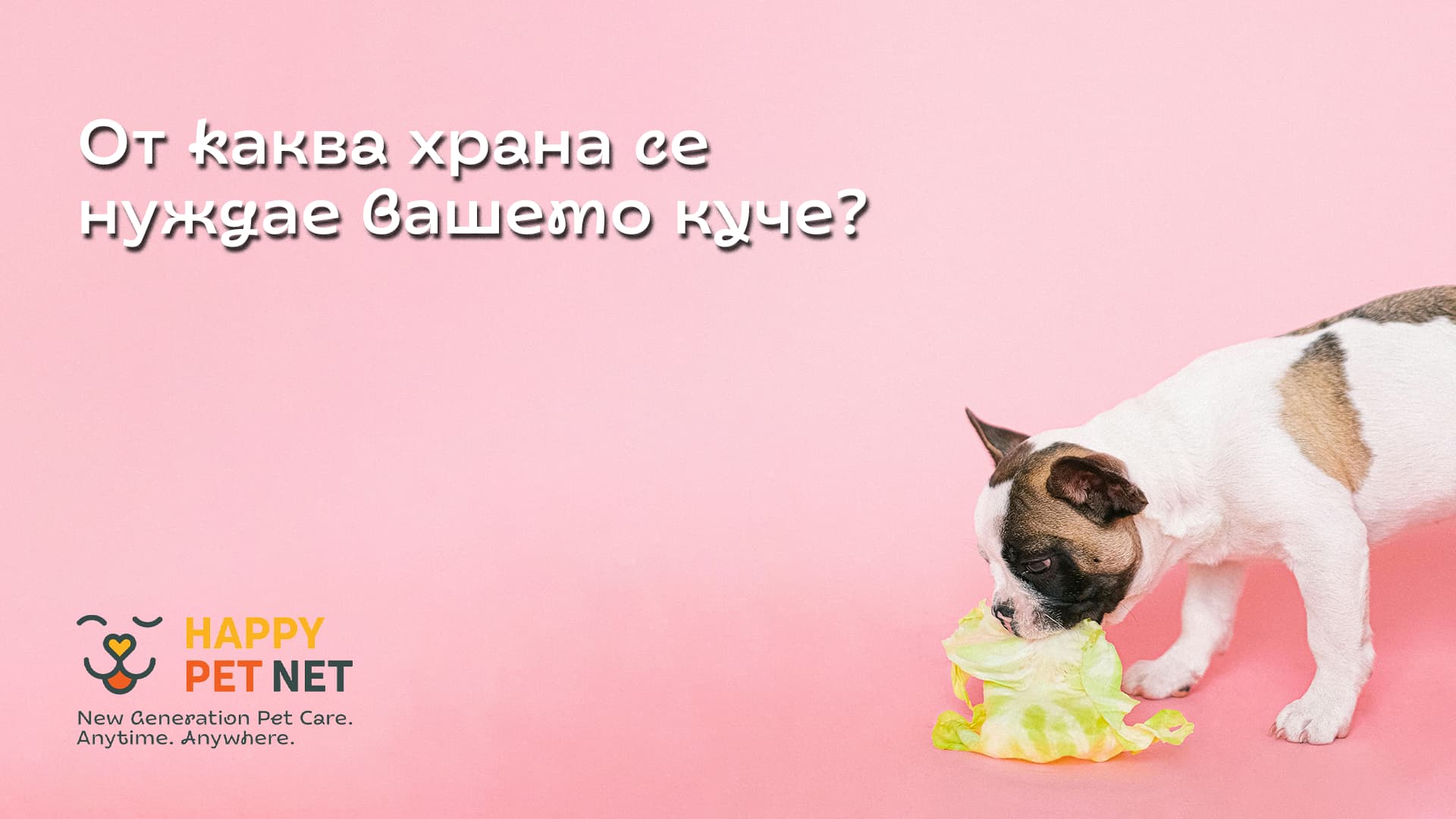
What food does my dog need?
We are what we eat. That means that to be fit and healthy, we need to eat good-quality food. Well, the same rule applies to our dogs.
Although dogs don't have preferences about their food as obvious as ours, it's their owner's job to make sure they get a balanced diet suited to their individual needs.
What a healthy diet needs
Studies have shown that a healthy, well-balanced diet for your dog should include whole nutritional ingredients that provide the following: protein, fats and fatty acids, carbohydrates, fibre, vitamins, minerals and water.
Whole nutritional ingredients
Whole nutritional ingredients are minimally processed, so they deliver the nutrients, vitamins and fibre that matter most. The best diet for your dog is made up of whole nutritional ingredients – including fresh and raw meats, fruits and vegetables – rather than powdered or synthetic foods.
Whole grains
The Clinical Nutrition Service at Tufts University's veterinary school carried out extensive studies into the effect of whole grains in dogs' diets. They concluded that "whole grains, rather than being fillers, contribute valuable nutrients, including vitamins, minerals, essential fatty acids and fibre, to diets, while also helping keep fat and calories lower than if animal products were used instead."
Studies show that grains contain nutrients that are essential to a complete, balanced diet. And the fibre that grains add to the diet helps keep a dog's digestive system working well and healthy.
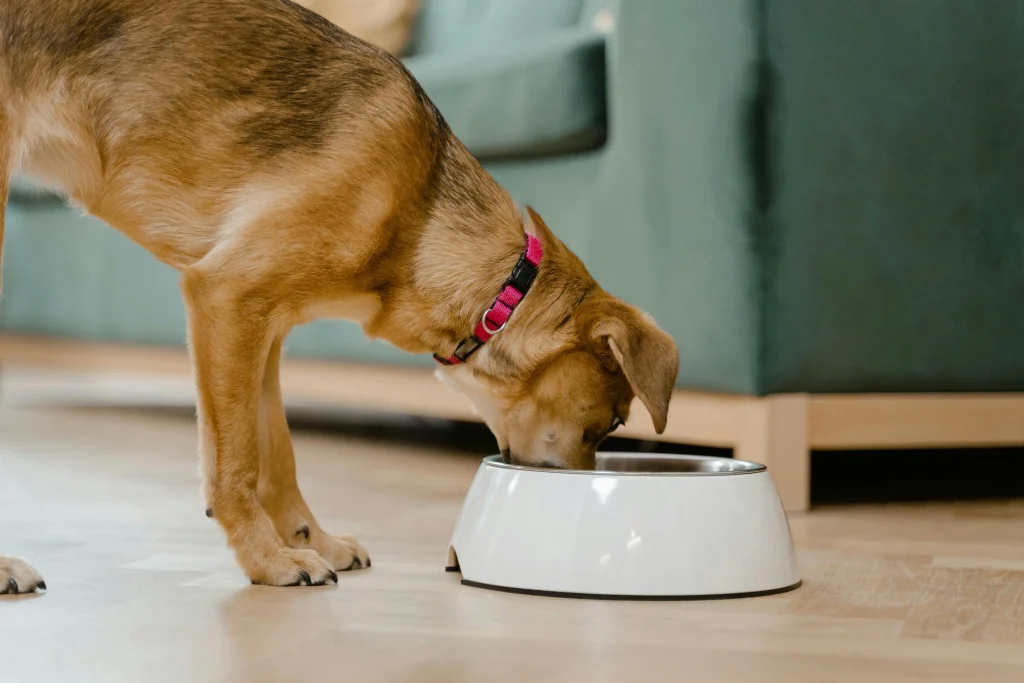
Not every diet suits every dog
The American College of Veterinary Nutrition advises that your dog's unique nutritional needs will depend on their age, size, health and breed.
Vets recommend bearing your dog's life stage in mind when choosing their diet.
If you're not sure how or what to feed your dog, we recommend booking an online consultation with a qualified vet, who'll be able to help!
How to store your dog's food
Once you've found the right food for your dog, you need to keep it fresh and safe. The Food and Drug Administration suggests the following:
- Store dry pet food in its original bag with the top folded tightly shut.
- If you want to store dry pet food in another storage container, put the whole bag inside the container.
- Store food somewhere secure, where your pet can't get to it.
- Store dry food somewhere cool and dry, at a temperature below 25 degrees Celsius.
- Wash food bowls and scoops with soap and hot water after every use.
- Throw away old or spoiled food by putting it in a securely tied plastic bag in a covered bin.