


How do pets affect our health?

For centuries, pets have been loyal friends, cherished companions, partners in adventure and even life-savers. But beyond the emotional bond we share with them, scientific studies confirm that pets can significantly improve our health too.
From reducing stress and lowering blood pressure to boosting mental wellbeing, the benefits of having a pet go far beyond companionship.
In this article we explore how pets affect heart health, stress levels and emotional wellbeing, and why experts are advocating for pets in therapeutic, health and wellness programmes.

The benefits of pets for our physical health
1. Improved heart health
Studies consistently show that owning a pet, especially owning a dog, is linked to better heart health. Having a pet can lower the risk of high blood pressure, help maintain healthier cholesterol levels, and even improve blood pressure control in people with hypertension.
What's more, studies have found that owning a dog is linked to a 21% reduction in the risk of death among people with heart disease over a 12-year period. Regular walks, playtime and the emotional bond between owners and their pets are thought to strengthen cardiovascular health and contribute to a longer life.
2. Increased physical activity
Owning a pet – a dog especially – naturally encourages a more active lifestyle. Dogs need daily walks, outdoor play and regular movement, which in turn raises their owners' levels of physical activity.
Even cat owners tend to engage in more light movement, such as interactive play and daily care, compared with people without pets.
An analysis of pet ownership and physical activity found that pet owners are significantly more active than those without pets. On average, dog owners walk an extra 22 minutes a day compared with those without dogs, racking up nearly 2,800 more steps daily.
This increased activity doesn't just help owners stay fit. It contributes to better cardiovascular fitness, improved metabolism and better muscle and joint health. Studies show that regular physical activity with pets can also reduce the risk of obesity, diabetes and other weight-related conditions.
Beyond exercise, pets also encourage incidental movement, such as walking around the house to feed them or joining in on play sessions. Even short bursts of physical activity add up over time, leading to a healthier, more active lifestyle overall.
3. Reducing stress
Interacting with pets can have a profound effect on stress levels. Studies show that spending time with animals helps regulate the body's stress response, leading to a calmer, more balanced emotional state.
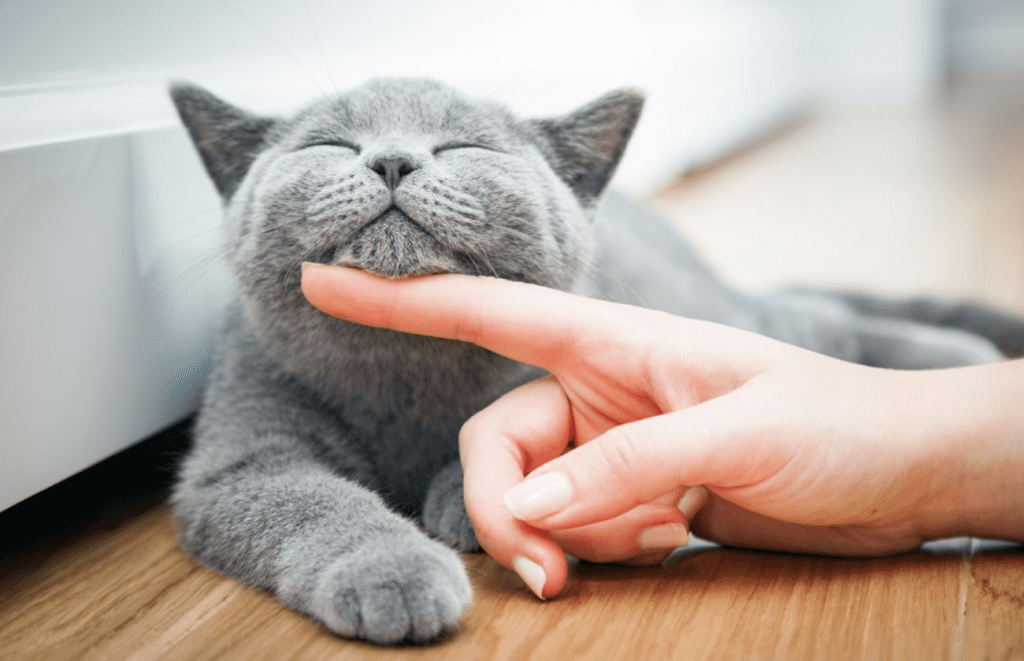
It has been scientifically proven that stroking a dog or cat lowers levels of cortisol, the hormone responsible for stress, while raising oxytocin, the "love hormone", which promotes feelings of happiness, bonding and relaxation. This natural hormonal shift helps counteract the effects of chronic stress, which is linked to anxiety, high blood pressure and a weakened immune system.
Beyond the biochemical response, pets also offer emotional support during difficult times. Many people turn to their pets for comfort and company, which can be especially helpful for those experiencing stress at work.
Studies show that just 10 minutes spent with a pet can significantly reduce stress and improve mood.

Interesting fact: One study found that students who took part in pet therapy sessions reported lower stress levels and improved overall emotional wellbeing compared with those who didn't take part.
4. Improved immune function
Having a furry companion can also strengthen the immune system. Regular contact with animals can bring a wider range of micro-organisms into the home environment, potentially boosting the immune response and helping the body build resistance against infections and allergies.
While more research is needed in this area, some studies show that children raised in households with pets get sick less often. What's more, some findings suggest that children who grow up with pets may have a lower risk of developing allergies and asthma later in life. Having a pet in the home may help regulate immune responses, reducing the likelihood of allergies.
Beyond childhood, owning a pet may also benefit adults' immune function. Regular interaction with animals is linked to lower levels of inflammation and a stronger immune response, which can help improve the body's ability to fight illness.
While more research is needed in this area, scientists continue to explore how the microbial exposure associated with pets contributes to long-term health benefits.
5. Pain management
Pets can also play a role in easing pain and aiding patient recovery. Animal-assisted therapies are increasingly being integrated into clinical settings, with studies showing that their presence helps reduce perceived pain and anxiety in patients undergoing medical procedures.
Studies show that interacting with therapy dogs before, during or after treatment can lead to reduced pain levels. This effect is thought to be linked to the release of endorphins, the body's natural painkillers, which are triggered by physical touch and emotional connection with animals.
What's more, therapy animals have been shown to improve comfort and relaxation in hospital patients, people recovering from surgery, and those with chronic pain conditions. Their calming presence can reduce the need for pain medication.
The benefits of pets for our mental health
Beyond the physical health benefits, pets offer profound mental health benefits too. From reducing anxiety to strengthening social connections, the bond between people and their furry companions plays a crucial role in promoting emotional wellbeing.
1. Easing anxiety and depression
Spending time with pets has been shown to offer long-term emotional stability, helping people cope with chronic anxiety and depression.
Many pet owners report that caring for an animal adds structure and purpose to their day, helping them stay engaged and motivated. This sense of responsibility can be especially helpful for people experiencing depression, since it gives them a reason to get up, stay active and keep to a daily routine.
What's more, studies have found that people with pets are less likely to experience severe depressive episodes and report higher levels of emotional resilience. The company of a pet also reduces feelings of isolation, which is a major risk factor for depression.
2. Improving social interaction
Pets can help their owners build relationships and connect with other people. This is especially valuable for those who feel lonely or socially isolated, since having a pet creates a sense of companionship.
Beyond providing direct emotional support, pets act as social bridges, encouraging human interaction in ways that might not otherwise happen. Walking a dog, visiting a pet-friendly café, or even chatting about pets online often leads to conversations and connections with other pet owners.
One study found that over 40% of dog owners reported having made new friends through interactions at dog parks and pet-friendly venues.
Even pets that don't need outdoor walks – such as cats, rabbits or birds – can still improve social wellbeing. Getting involved in pet-related communities, such as online forums, pet training classes or rescue organisations, helps pet owners connect with like-minded people, reducing social isolation.
Ultimately, pets create opportunities for meaningful human connection, building a sense of belonging that's crucial for mental health and emotional resilience.

3. Providing emotional support and stability
Having a pet offers emotional stability, helping people cope with stressful situations, personal challenges and even long-term mental health conditions. Unlike human relationships, which can be complicated and unpredictable, pets provide constant, unconditional support, creating a safe, judgement-free space for their owners.
Animal-assisted therapy has been successfully integrated into clinical mental health treatment, helping people with conditions such as bipolar disorder, major depressive disorder and autism spectrum disorder (ASD), demonstrating the profound impact of human-animal interactions on emotional healing.
For many, pets act as emotional anchors, grounding their owners in moments of distress and offering a sense of security when the world feels overwhelming. Whether through physical touch, companionship or routine, pets are powerful allies in managing mental health and emotional resilience.
4. Improving cognitive function and focus
Engaging with pets requires people to be present in the moment, encouraging mindfulness and reducing overthinking. Activities such as playing fetch, grooming, or simply watching a pet's behaviour can shift attention away from negative thought patterns and encourage a more grounded mental state.
For older people, spending time with pets is linked to improved cognitive function and slower cognitive decline, offering a sense of purpose and routine that keeps the mind active.
Life with pets: a bond that goes beyond science
From lowering blood pressure and encouraging an active lifestyle to reducing stress and improving mental health, the impact of pets on human health is undeniable.
As researchers continue to explore the long-term health benefits of pet ownership, we expect to see even greater integration of animals into healthcare, therapy and wellness programmes.
But beyond the science, what really matters is the bond we share with our pets. They offer unconditional love, emotional support and a daily reminder to slow down and appreciate life's small moments. Pets enrich our lives in ways that go beyond anything any study could ever measure.