

Interesting facts about Siberian Huskies that you might not have known!
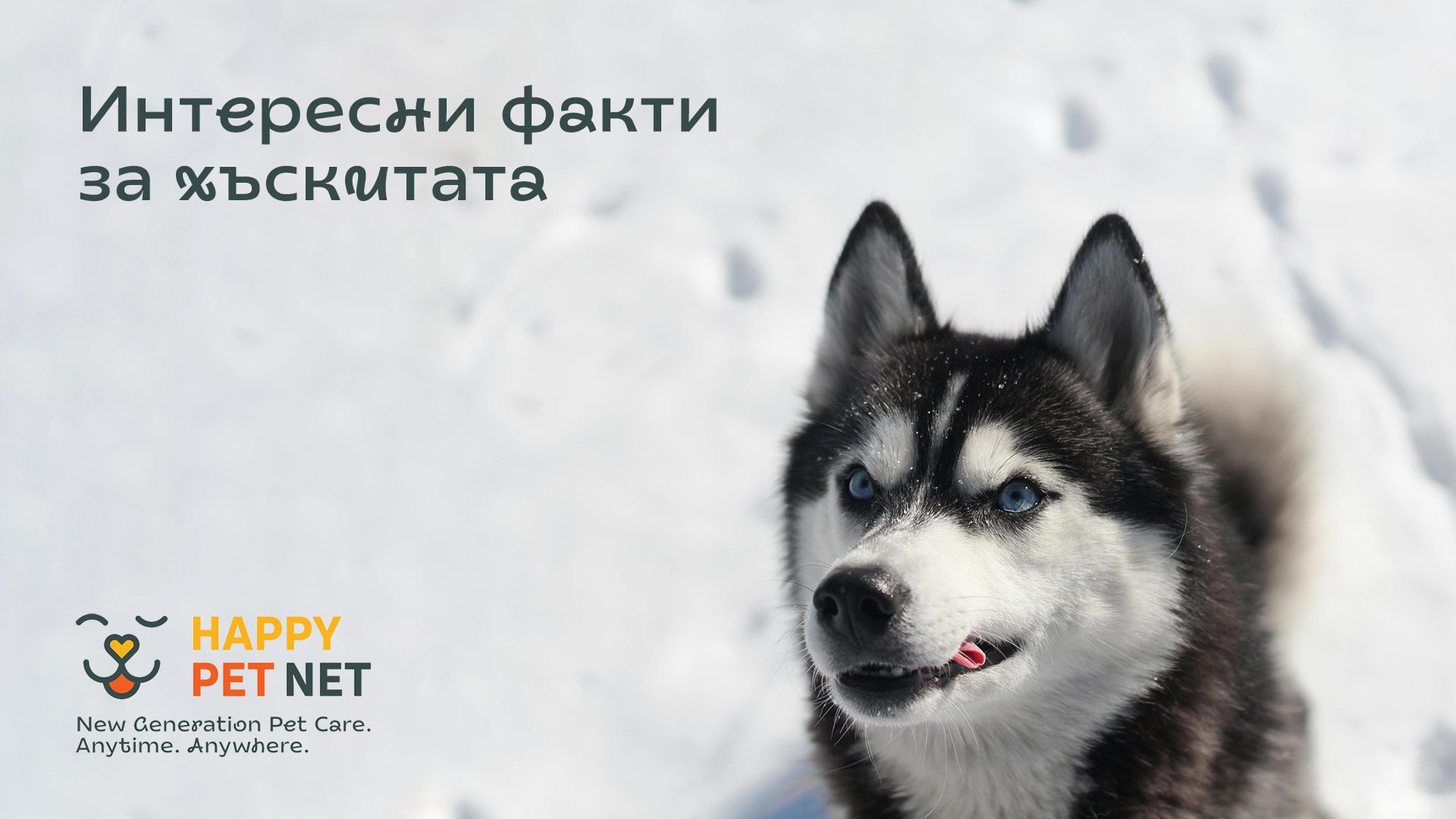
Siberian Huskies can make wonderful companions. They're energetic, independent thinkers with a knack for escaping and a love of play, so they're not the breed for everyone. Huskies are strikingly beautiful and hugely friendly, but those are just two of the many reasons Siberian Huskies are amazing dogs, worthy of admiration. Here are a few more:
Fact 1: They've been used as sled dogs for thousands of years
The Chukchi people, who live on the Chukotka Peninsula in north-east Asia, have used Siberian Huskies as sled dogs for thousands of years. The region is home to one of the harshest, most extreme climates in the world - where winds can reach 160 kilometres an hour and temperatures can drop to 70 degrees below zero Celsius. With teams of up to 20 dogs pulling sledges across the ice in search of food, the Chukchi relied on Huskies to survive. The dogs were central to the people's lives and culture.
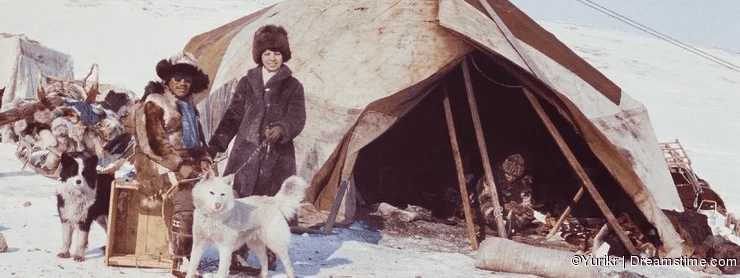
Photo: Yurikr | Dreamstime.com
Fact 2: Some believe Huskies guard the gates of heaven
According to Chukchi folklore, two Siberian Huskies guard the gates of heaven. These guardians turn away anyone who was cruel to a dog during their life on earth.
Fact 3: They were used for search and rescue during the Second World War
The American army used Siberian sled dogs to search for and rescue downed pilots and cargo in the Arctic during the Second World War. According to K-9 History, search planes and dog sled teams worked together to rescue the crews of downed aircraft. A reconnaissance plane would locate the wreckage and work out the safest route for getting dog teams and rescuers to the site. They were flown as close to the site as possible, and dog sled teams would then rescue injured airmen and haul out cargo.
Fact 4: Huskies delivered a life-saving serum to fight an epidemic in 1925
The breed found fame in 1925, after a team of Siberian Huskies heroically delivered a life-saving serum to fight a diphtheria outbreak in Nome, Alaska. The nearest source of the medicine was more than 960 kilometres away. A dog sled relay was organised, involving 20 "mushers" (sled drivers) and more than 100 dogs, to deliver the serum as quickly as possible.
Musher Leonhard Seppala left Nome with 20 Siberian Huskies, heading east to meet a team coming from the other direction, carrying the package of medicine. Seppala's team had to travel further than expected. After covering 270 kilometres in three days, they finally met the other team.
With the medicine on board, Seppala turned his exhausted team around, with lead dog "Togo" out in front. They headed back towards Nome through fierce winds and sub-zero temperatures. As they tried to cross the frozen Norton Sound, darkness and a blizzard stopped Seppala from seeing the route ahead. But Togo guided the team to a roadhouse on the shore, likely saving everyone's lives - and preventing the loss of the precious serum. Gunnar Kaasen and his team, led by "Balto", completed the final leg of the relay.
In 1926, Seppala was invited on a tour of the US. He visited cities across the country with more than 40 Siberian Huskies, including Togo. In New York, explorer Roald Amundsen presented Togo with a medal for his role in the serum relay. Although Togo and the rest of Seppala's team ran the longest and most dangerous leg, Balto became the run's most famous dog. His statue now stands in Central Park.
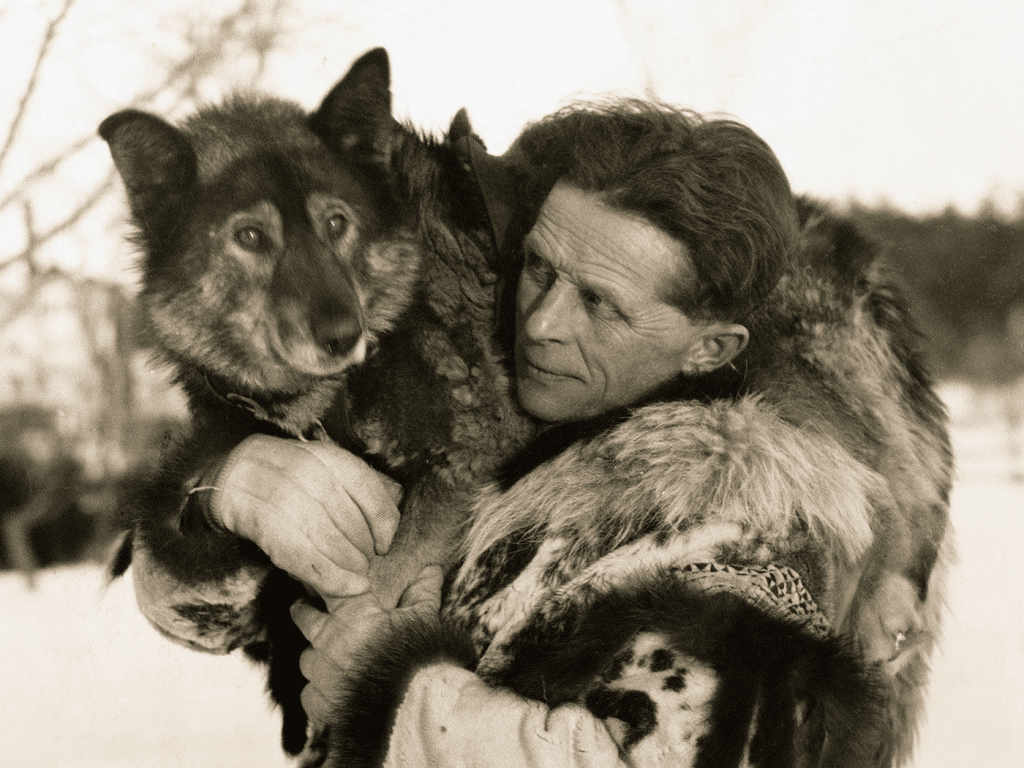
Togo and his owner, musher Leonhard Seppala, in 1927. George Rinhart / Corbis - Getty Images
Fact 5: An annual sled dog race celebrates the breed
Since 1973, the Iditarod Trail sled dog race has been held every year in honour of the Serum Run. Mushers and their dog teams travel from Anchorage to Nome over nine to fifteen days or more. A range of northern breeds and crossbreeds take part, and every year several teams made up entirely of Siberian Huskies compete. An interesting fact about the Iditarod Trail is that someone once tried to race it with Poodles!
Fact 6: They can be escape artists
Siberian Huskies are a high-energy, extremely athletic breed. This can make them very difficult to keep as pets. Because they love running long distances, for their own safety they should never be off the lead in unfenced areas - and they should be microchipped in case they ever get lost.
Fact 7: The Siberian Husky is naturally clean
The thick coat of Siberian Huskies, which protects them from cold weather, doesn't need clipping or trimming. Their coat sheds at least once a year, but the shedding can be managed with frequent brushing during this time.
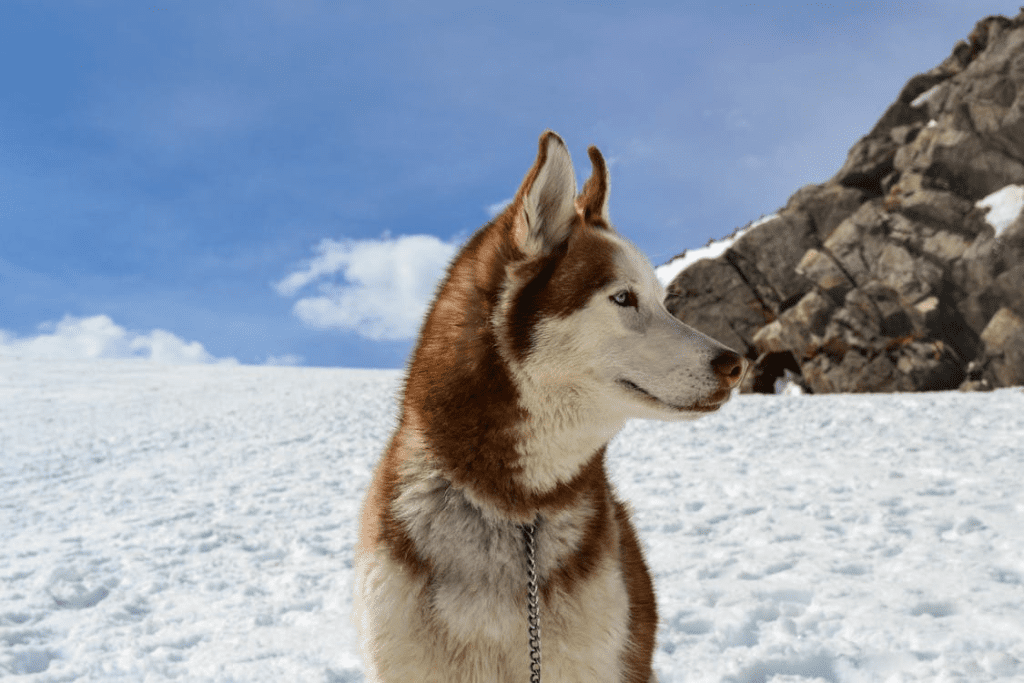
Photo: Joey Marrone | Pexels
Enjoy this kind of content? Check out our Blog section! You can also follow HAPPY PET NET on social media, where we post interesting and fun pet-related content every day!
Follow HAPPY PET NET on Facebook Follow HAPPY PET NET on Instagram