

The top 19 most popular dog breeds and their health problems

Do you have a dog, or are you getting ready to become an owner? You've come to the right place! In this article you'll find the top 20 most popular dog breeds and the health problems they're prone to. Without wasting any time, let's start with the first breed:
Siberian Husky: autoimmune diseases
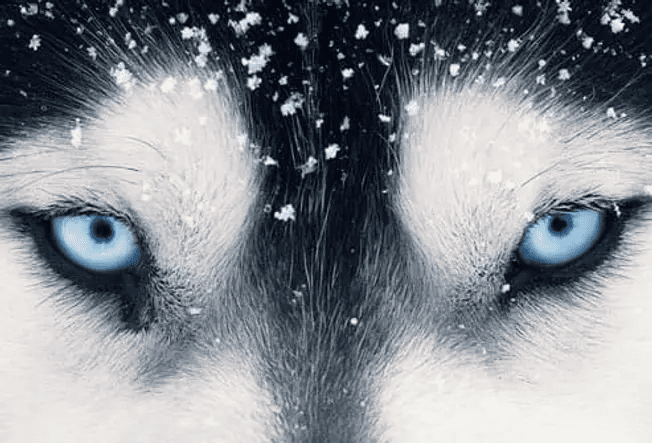
As a breed, Siberian Huskies are predisposed to a range of autoimmune diseases, many of which affect the skin. These conditions cause sores and coat loss, often on the face. One immune condition affects both the skin and the eyes, and can lead to eye problems such as glaucoma and cataracts. The usual treatment for these diseases is corticosteroids, to suppress the immune system. In some cases your vet may use an immunosuppressant such as ciclosporin.
Bulldog: breathing problems
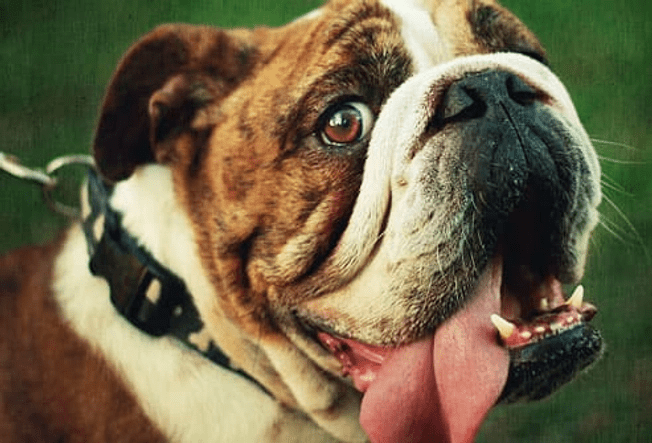
Like all dogs with those endearing flat faces, Bulldogs can suffer from breathing problems. Your Bulldog's small nostrils, elongated soft palate and narrow windpipe are the reason they're likely to snore, and they can lead to a life-threatening emergency if the dog overheats or overexerts itself. That's why it's important to keep your Bulldog cool in summer and never to overdo the exercise.
Pug: eye problems

With their squashed faces and prominent eyes, Pugs are at risk of eye problems. The most serious is the eye coming out of its socket (proptosis). This can happen if a Pug is involved in an accident or gets into a fight with another dog. If it does, cover the eye with a damp cloth and get your dog to a veterinary clinic as quickly as you can. The vet may be able to put the eye back in place, although whether the dog keeps its sight depends on how severe the damage is.
German Shepherd: hip dysplasia
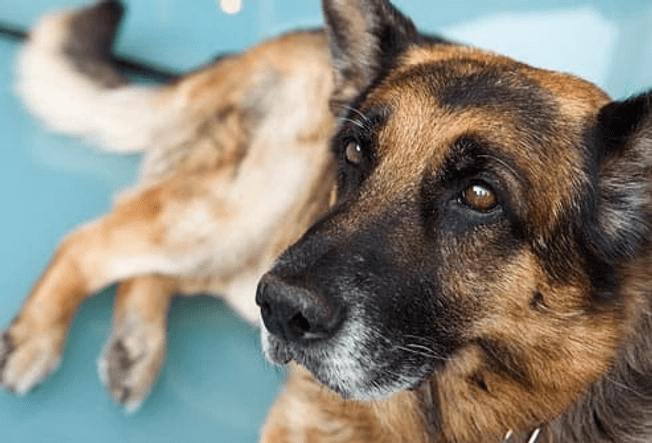
Many large breeds are predisposed to hip dysplasia. In hip dysplasia the ball and socket of the joint don't fit together properly, which causes pain, arthritis and difficulty walking. When you're looking for a German Shepherd puppy, ask the breeder whether the parents have been tested for hip dysplasia. Parents with healthy hips are more likely to produce puppies with healthy hips.
Labrador Retriever: obesity
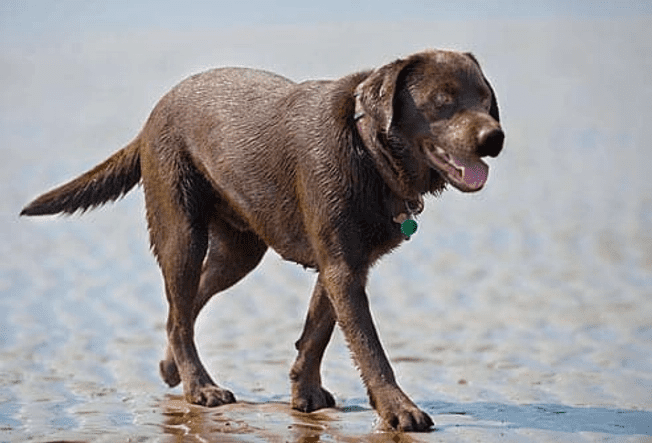
Any dog can become overweight, but Labradors are particularly prone to it. And just as in people, obesity in dogs is linked to health problems. Labs need vigorous daily exercise. If your Labrador is constantly begging for more food, try giving them raw carrots, green beans or apple. Because prevention is easier than weight loss, it's best to talk to your vet about a diet plan that suits your pet. You can have an online consultation with a vet at HAPPY PET NET quickly and easily via this link.
Beagle: epilepsy

Epilepsy, a brain disorder that causes seizures, appears to be more common in Beagles than in other dog breeds. Dogs with epilepsy usually have their first seizure between 6 months and 3 years of age. Although epilepsy can't be cured, frequent seizures (more than one a month) can usually be managed with anti-seizure medication.
Boxer: cancer
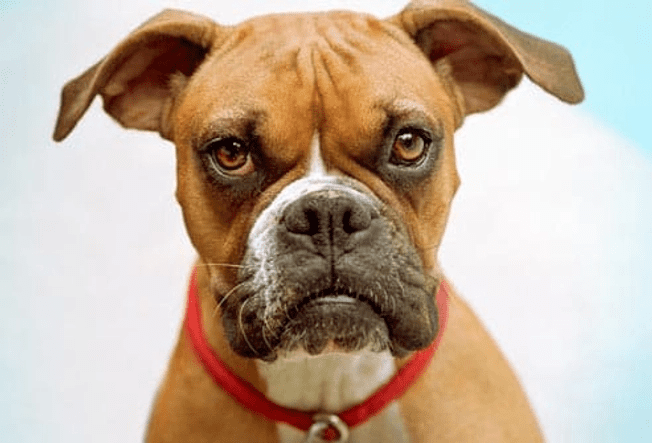
Boxers are at higher risk of certain cancers, including lymphoma and mast cell tumours. Lymphoma is a cancer of the lymph nodes and involves white blood cells known as lymphocytes. Mast cell tumours are a type of skin cancer that can take different forms and can also involve the internal organs. In both cases, the cancer is often felt as an unusual lump or swelling on your dog's body. Both types of cancer may be treatable, but it's important that they're found early. So if you have a Boxer, remember to check them for lumps regularly.
Dachshund: back problems
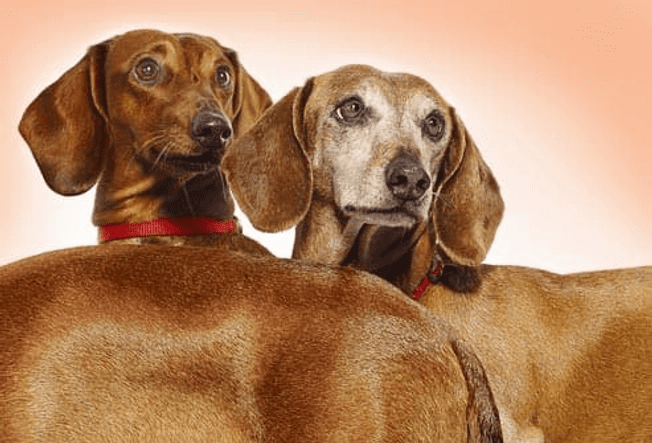
Because of their long bodies, Dachshunds are at higher risk of back injuries and spinal problems. The best way to keep your Dachshund feeling well is to keep them at a healthy weight. Extra kilos put strain on the back. Try to limit stair climbing and jumping off furniture too, as these can also strain the back.
Dobermann: heart problems
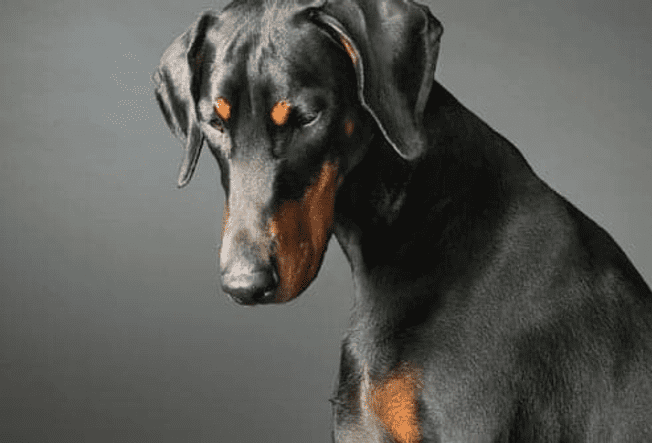
Dilated cardiomyopathy (DCM) is a serious heart disease in which the chambers of the heart become stretched and don't pump blood efficiently. Often the owners of dogs with DCM don't even realise anything is wrong until their dog collapses. Because DCM is so common in Dobermanns, many vets offer annual screening. Medication can regulate the heart rhythm and improve the heart's ability to pump, but there is no cure for DCM.
Cocker Spaniel: ear infections

Dogs like the Cocker Spaniel, with drooping, hairy ears, are often prone to ear infections. The best way to prevent them is to clean your dog's ears every two weeks and occasionally fold the ears back to let them "breathe". Also carefully trim any hair growing on the underside of the ears with clippers, to keep the ear canals dry. Reducing how often ear infections happen can also prevent bigger problems later on.
Yorkshire Terrier: portosystemic shunt
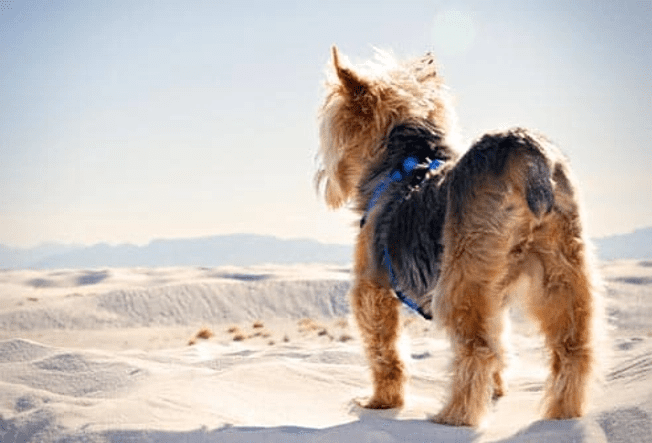
A portosystemic shunt (PSS) is a congenital defect of a blood vessel that is common in small breeds such as Yorkies. The portal vein carries toxins from the gut to the liver, which cleans the blood. With a PSS the vein bypasses the liver and the toxins aren't removed. A PSS can cause poor growth, vomiting, confusion and seizures. Most of the time a PSS can be corrected with surgery, and the dog goes on to live a normal, healthy life.
Golden Retriever: skin allergies
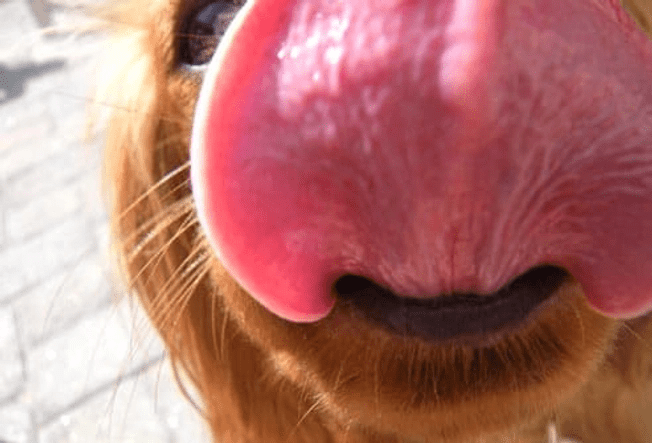
Feel like your Golden Retriever is licking themselves constantly? Unlike people, dogs don't usually sneeze when they're allergic to something. Instead, they tend to get itchy skin. And frequent licking, scratching and chewing can lead to hot spots (red, weeping sores). Before you start any long-term treatment at home, remember to speak to your vet first about your dog's condition and needs. To soothe itchy skin, bathe your dog with an oatmeal shampoo, add an omega-3 supplement to their diet and make sure they have regular flea treatment.
Poodle: glaucoma
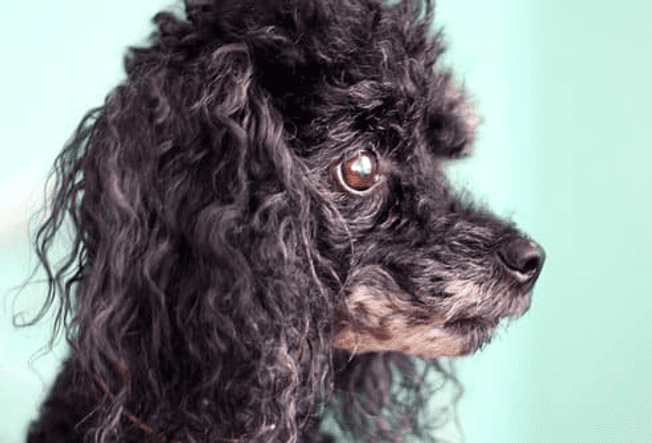
Poodles are one of the handful of breeds at increased risk of this serious eye disease. Glaucoma is a build-up of fluid in the eye that causes pressure, pain and ultimately blindness. In the early stages, glaucoma can be treated with medication. But surgery may be needed, and even removal of the affected eye.
Rottweiler: joint problems
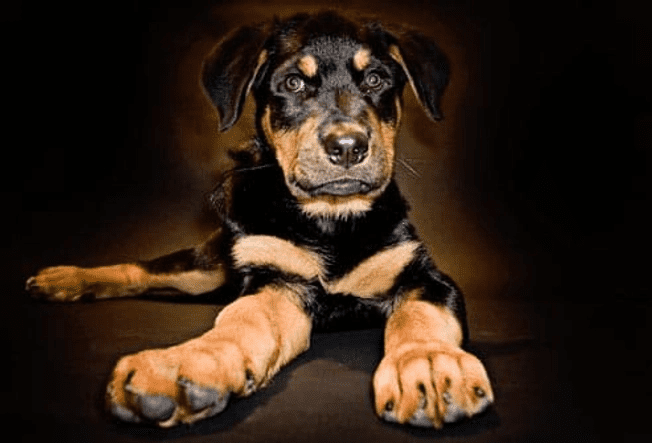
Large breeds like the Rottweiler are at risk of a range of joint problems, including hip dysplasia, elbow dysplasia, arthritis and osteochondritis dissecans (OCD). OCD is a condition that develops in large, fast-growing puppies, in which the cartilage in a joint doesn't form properly. A balanced diet can help keep your Rottweiler's joints healthy. Even so, many dogs need surgery to remove the abnormal cartilage.
Chihuahua: collapsing trachea

Does your Chihuahua make a strange honking noise when they get excited? If the answer is yes, your furry friend may be suffering from a collapsing trachea (windpipe) - a common problem in toy breeds. With a collapsing trachea, the cartilage that normally holds the windpipe open is weak, so the windpipe flattens. Some dogs live their whole lives with tracheal collapse and have no trouble from it; others need medication. In severe cases, surgery may be needed to open the windpipe.
Pomeranian: hair loss
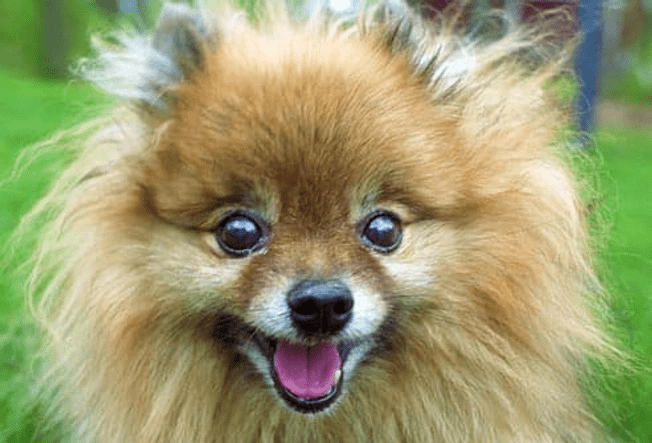
Pomeranians are predisposed to an adrenal gland disease called alopecia X, which causes coat loss. Alopecia X usually starts when the dog is young. If a dog with alopecia X is entire, neutering often causes the coat to grow back (the coat loss is caused by an overproduction of sex hormones). Melatonin supplements can also help.
Great Dane: bloat
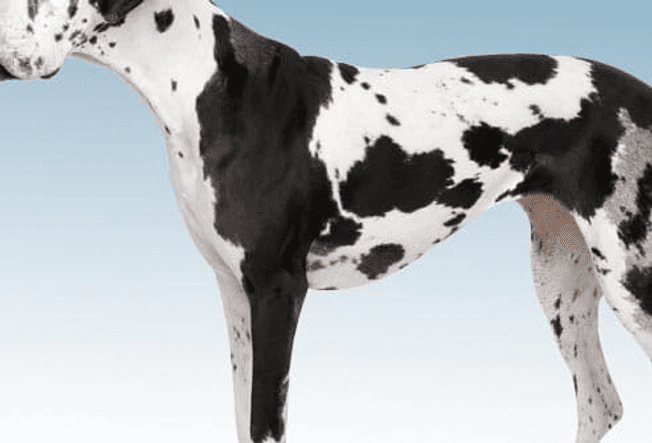
Giant breeds such as Great Danes are at higher risk of gastric dilatation and volvulus (GDV). This is a life-threatening condition that develops when the stomach fills with gas and then twists, trapping food and gas inside. If the belly looks distended, and if you notice your dog pacing, panting and drooling excessively straight after a meal, call your vet immediately. GDV can be corrected with surgery, but it can be fatal if it isn't treated quickly.
French Bulldog: breathing problems
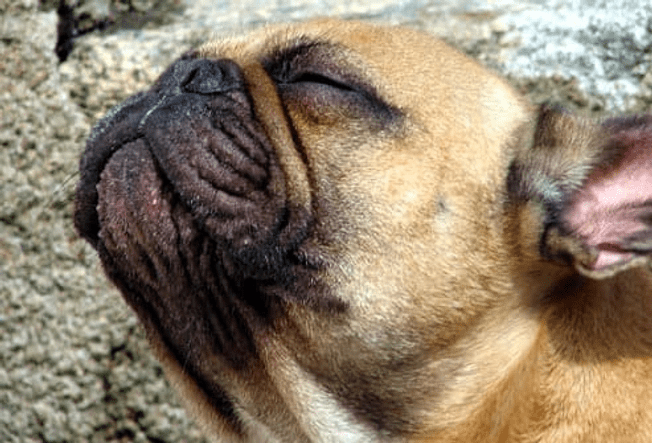
Like its English cousin, the French Bulldog is prone to breathing problems. Also known as brachycephalic airway syndrome, this set of breathing problems is the result of the breed's pushed-in nose, elongated soft palate and narrow windpipe. Extreme heat or overly intense physical activity can leave a French Bulldog struggling to breathe, so it's best to keep them indoors on hot days.
Cavalier King Charles Spaniel: mitral valve disease
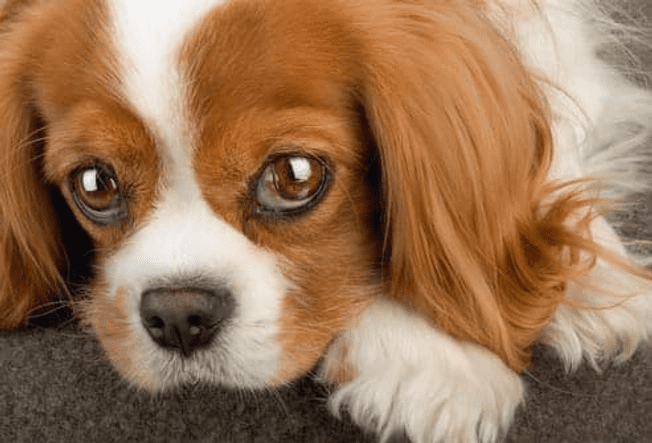
This heart problem is common in older small dogs, but Cavaliers often develop it early. In mitral valve disease, the valve between the left atrium and the ventricle doesn't close tightly, which allows blood to leak backwards when the heart pumps. That puts the heart under strain. Symptoms include lethargy and coughing. With monitoring and the right treatment, a dog with mitral valve disease can live for years with very few symptoms.