

10 houseplants that are toxic to cats
If you have cats, there are some houseplants you should not bring into your home, because of their toxic properties and cats' habit of chewing on greenery. Read our new article to find out which houseplants are toxic to cats.
Toxin versus poison
When we talk about plants, "toxin" is the term used rather than "poison". A toxin is a naturally occurring poisonous substance that will not necessarily harm or kill an organism, as it ranges from mild to severe. A poison, meanwhile, is likely to do harm.
Signs of toxic plant poisoning in cats
Swallowing a toxic plant can cause kidney failure or cardiac arrest in cats, depending on the plant. If you notice any of these signs, your cat may have eaten a toxic plant and you should contact your vet or the nearest emergency pet hospital immediately.
- Persistent vomiting
- Difficulty swallowing
- Drooling/salivating
- Bloody diarrhoea
- Trembling
- Poor coordination when walking
- Raised or irregular heart rate
- Lethargy
- Weak pulse
- Skin irritation
- Conjunctivitis
Worried about your cat? You can book an instant online consultation with a qualified vet through HAPPY PET NET.
BOOK NOWHouseplants that are toxic to cats
1. Lilies
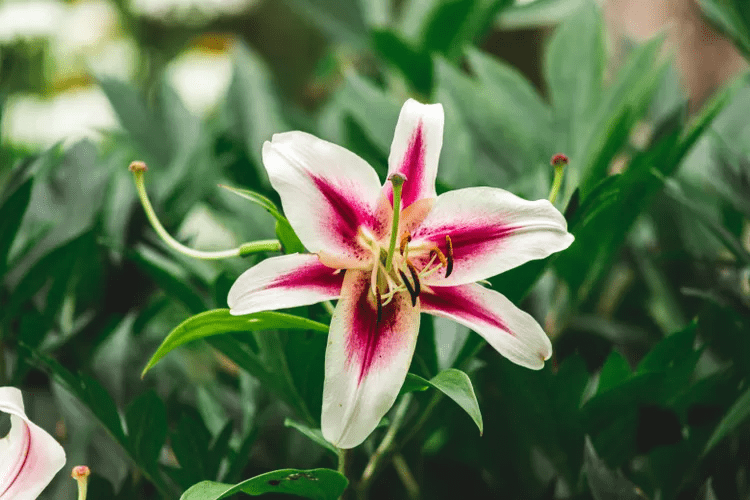
Lilies in the daylily genus are dangerous to cats. The whole plant – stem, leaves, flowers, pollen and even the water in the vase – is toxic to cats, and is known to cause kidney failure within three days. It is best to avoid plants with the word "lily" in their name: most of them can be deadly to cats.
- Toxic properties: The toxin in the plant is unknown
- Safe alternative: Orchids
2. Peace lily
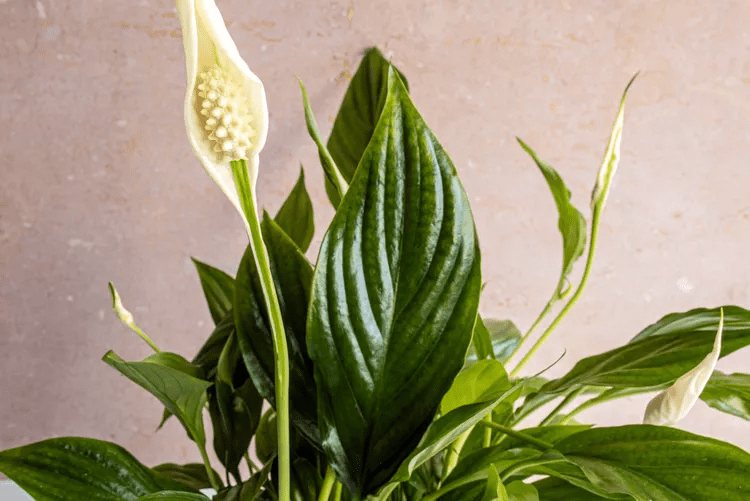
Despite being called "peace lilies", spathiphyllums are not part of the lily family. They are, however, one of the most common flowering houseplants around. Their dark leaves, white flowers and low upkeep make them popular. Peace lilies contain calcium oxalates, which are toxic to cats. They are only dangerous if swallowed and are safe to touch.
- Toxic properties: Insoluble calcium oxalates
- Safe alternative: Aspidistra (cast iron plant)
3. Aloe vera
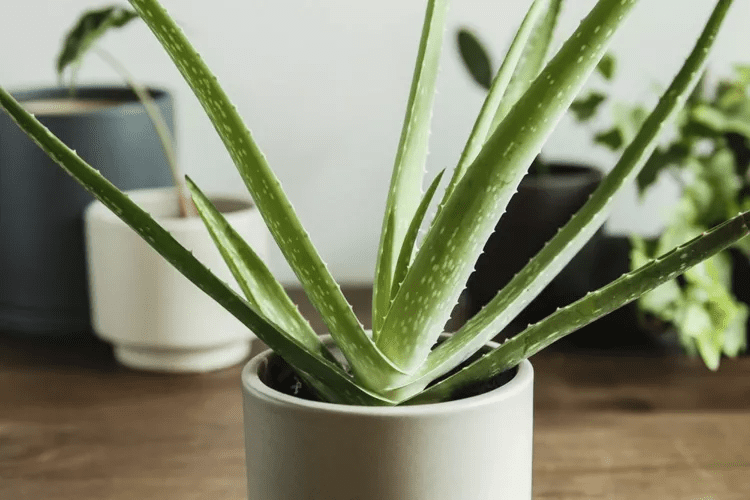
Aloe vera plants are a fixture in many homes, thanks to how little care they need. Aloe vera has thick, succulent-like leaves with serrated edges that grow upwards from a rosette-shaped base. They are toxic to cats if swallowed.
- Toxic properties: saponins, anthraquinone
- Safe alternative: Haworthia
4. Philodendron
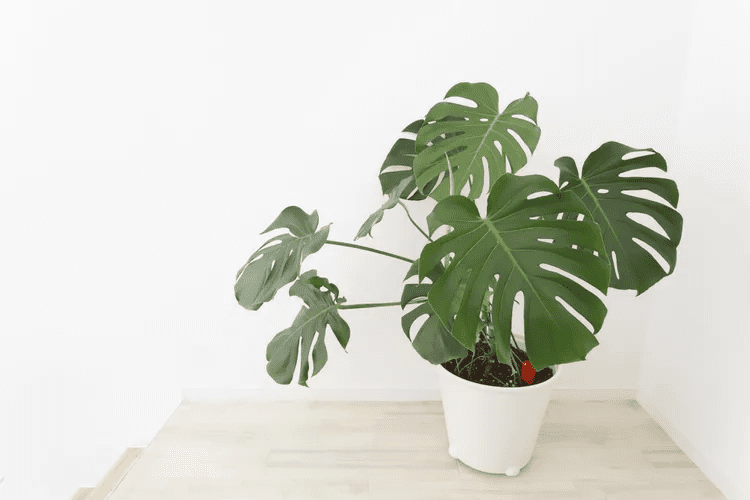
The so-called Monstera deliciosa is one of the most fashionable tropical houseplants around. Its striking tropical foliage is all over social media and home interiors. Also known as the "Swiss cheese plant", split-leaf philodendrons are relatively easy to look after, which makes them an appealing addition to any home. Unfortunately, they contain insoluble calcium oxalates, which makes them highly toxic to cats.
- Toxic properties: Insoluble calcium oxalates
- Safe alternative: Prayer plant (Maranta leuconeura)
5. Pothos

Because it needs so little care, pothos is an appealing houseplant for beginners and experienced plant owners alike. Its beautiful trailing stems and easy upkeep make it a lovely addition to your home, especially when you are decorating on a tight budget. While it is perfectly safe to touch, it is toxic to cats.
- Toxic properties: Insoluble calcium oxalates
- Safe alternative: Spider plant
6. Jade plant
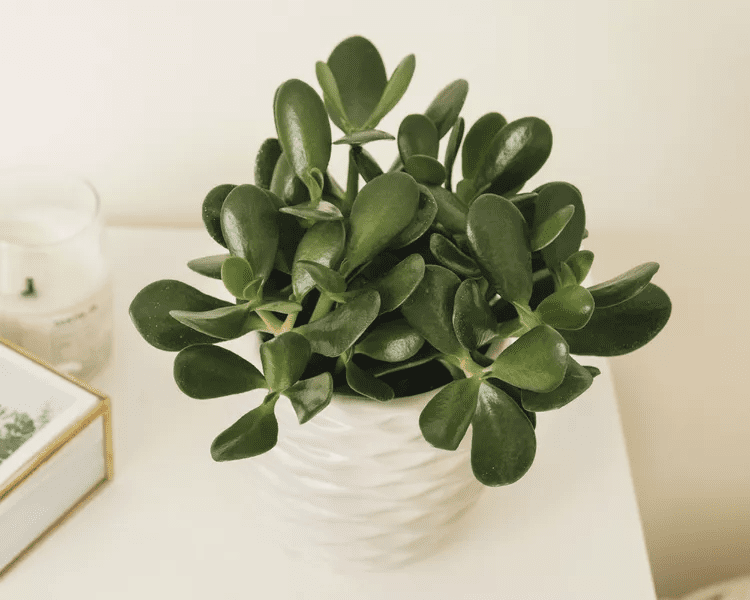
The jade plant is an easy-to-grow succulent said to bring its owners luck and wealth. It has dark green, fleshy leaves and thick, woody stems. There are several varieties of this plant, all belonging to the Crassula family. Unfortunately, the jade plant is highly toxic to cats, dogs and horses
- Toxic properties: The cause of the toxicity is unknown, but every part of the plant can cause a reaction in cats
- Safe alternative: Peperomia
7. Lily of the valley
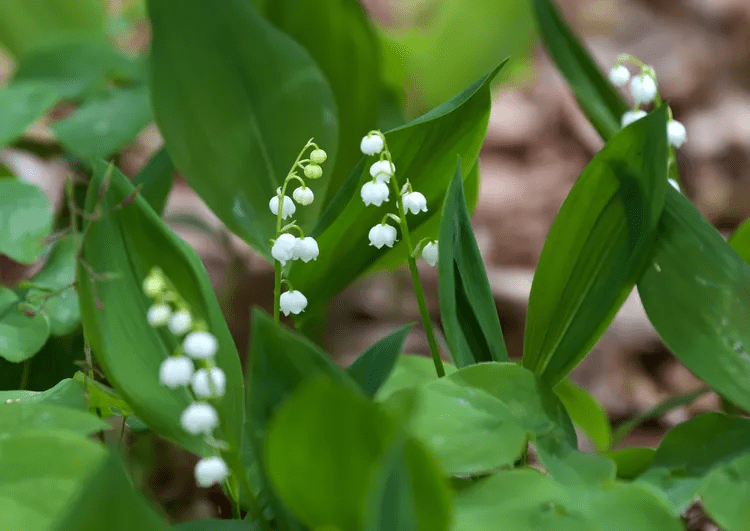
Lily of the valley (Convallaria majalis) contains cardenolides, which are cardiotoxic. Every part of the plant is toxic and can cause vomiting, an irregular heartbeat, a weak pulse and a range of other complications that put a cat's life at risk.
- Toxic properties: cardenolides
- Safe alternative: Tradescantia
8. Hyacinth
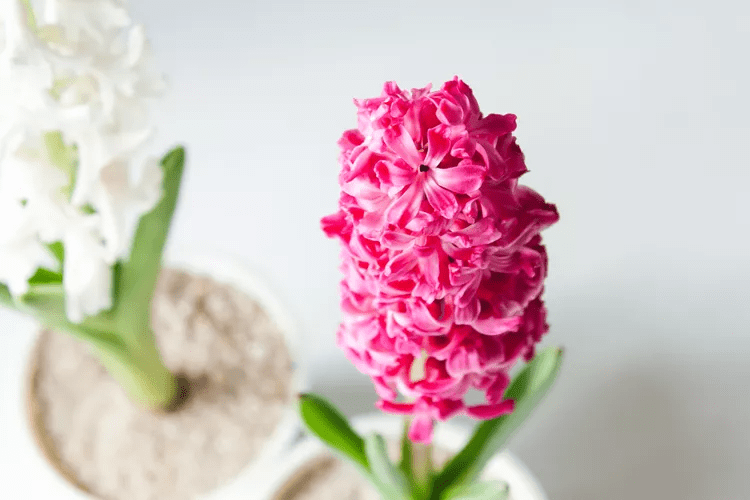
These beautiful plants contain alkaloids that can be dangerous if a cat swallows them. Both the bulbs and the plants themselves can cause vomiting, bloody diarrhoea, depression and tremors.
- Toxic properties: Probably narcissus-like alkaloids such as lycorine, and calcium oxalate raphides
- Safe alternative: Lilac
9. Tulips
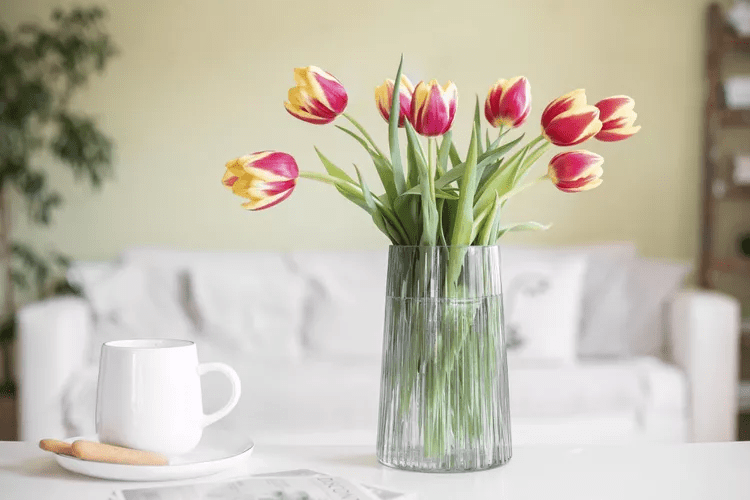
Tulips belong to the lily family and are toxic to cats. The whole plant contains alkaloids and glycoside compounds, but the bulb holds the highest concentration of toxins. Allergic reactions include vomiting and diarrhoea. Severe toxicity can lead to convulsions and heart abnormalities.
- Toxic properties: Tulipalin A and B
- Safe alternative: Roses
10. Chrysanthemum
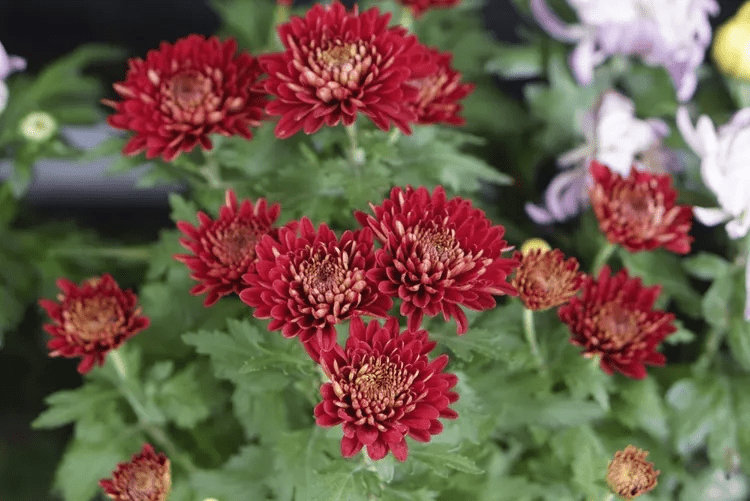
Chrysanthemums are many people's favourite flower, but they are toxic to cats. They contain several substances that can cause vomiting, diarrhoea, drooling or skin irritation if a cat swallows them. Pyrethrin occurs naturally in chrysanthemums and is commonly used in pesticides, dog flea and tick treatments, shampoos and collars; even so, it is toxic when taken in by cats.
- Toxic properties: sesquiterpenes, lactones, pyrethrins and other potential irritants
- Safe alternative: Marigold
FAQ
Do cats have a natural instinct not to eat toxic plants?
Cats do not necessarily avoid toxic plants, although they may keep away from anything that smells unusual. It has been found that cats who feel unwell may eat a plant deliberately, to make themselves sick.
How do I stop my cat eating my plants?
It is hard to stop a cat chewing on plants. Try wrapping the pot in aluminium foil, or hanging your plants from the ceiling, which may put your cat off. You can also put a toxic plant out of your cat's reach or rub it with citrus peel or chilli flakes, but it is better to find plants that are safe for her, to keep your furry friend in good health.
How long do toxins take to affect a cat?
Depending on the plant, toxins can affect a cat immediately or take up to a few hours.
Which houseplants do cats dislike?
Cats usually avoid prickly or strongly scented plants, such as cactus, lavender, rosemary and marigold.